Tag: animal health

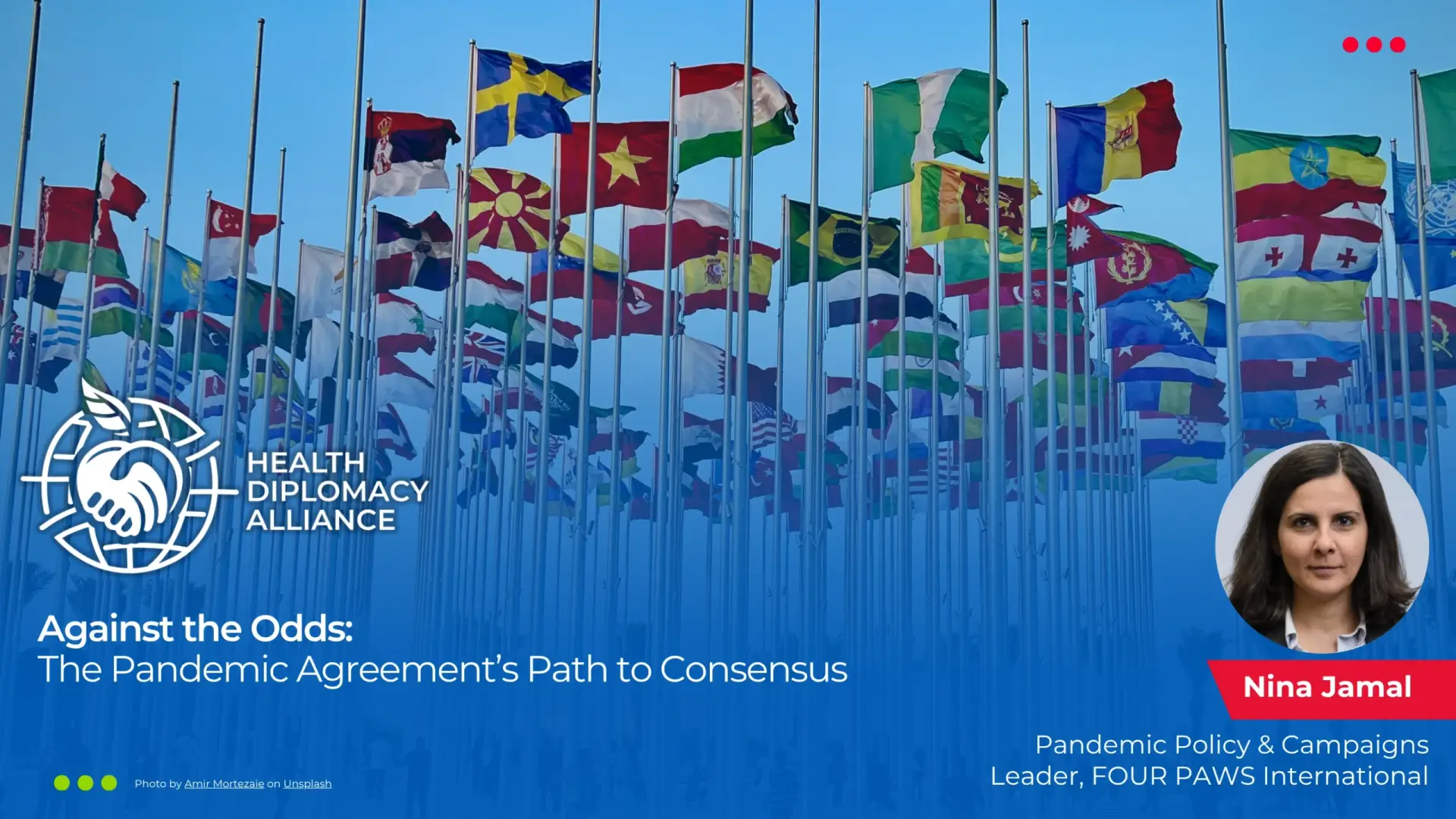
  • Against the Odds: The Pandemic Agreement’s Path to Consensus

    Against the Odds: The Pandemic Agreement’s Path to Consensus

    Introduction 

    After more than three years of intense negotiations, WHO Member States reached a historic milestone on April 16, 2025, by finalising the pandemic agreement. As WHO member states prepare for the adoption of the “greened” or agreed legal text at the 78th World Health Assembly, it’s worth reflecting on how governments and non-state actors such as civil society organisations and academia have worked to enable success. While entire books can be written to illustrate what it took for the pandemic agreement to be finalized and serve as a foundation for preventing, preparing for and responding to pandemics, in this blogpost I will share highlights, from FOUR PAWS’ perspective as one of the many “relevant stakeholders” in the negotiation process. 


    The Challenges   

    Finishing a treaty in record time 

    The challenge was to finalise an international multi-issue pandemic agreement in record time during an ongoing global health crisis, amid geopolitical tensions and in a UN body that is not a common ecosystem for international treaty negotiations. Member States set the goals of strengthening the international health regulations on the one hand, while also introducing a complementary legal framework to address gaps in pandemic prevention, preparedness, and response. WHO member states took this decision out of necessity, not only to fill the gaps in the global health architecture but to set themselves on a better path than the one they experienced during the pandemic. 

    Expanding the scope of what prevention means   

    While FOUR PAWS was active in several international policy processes, the World Health Organisation was not yet a typical space within which we, as an animal welfare organisation, were present before the pandemic. However, the pandemic made one thing clear: governments cannot fulfil their promise to effectively prevent pandemics without addressing human activities that drive pandemics at the human-animal-environment interface. This realisation, echoed by many non-governmental organisations, experts and institutions, led FOUR PAWS and others from the animal welfare and conservation sector to engage. The scope we considered necessary was not part of the standard measures which public health policies tied to pandemics typically addressed. Traditionally, the focus of the public health sector was on emergencies and the stage after the outbreak. However, when WHO Member States decided to negotiate the pandemic agreement, they added “prevention” and a whole of government and whole of society approach to the scope of the agreement.   

    This was a welcome move. Interventions had to take place at the earliest stage of disease emergence, before communities suffered deadly outbreaks and before public health institutions were confronted with an emergency. Addressing and integrating that policy gap into an international public health debate – within a pandemic agreement that also needed to prioritise health system capacities, pandemic-related health products, and support for implementation and financing, while simultaneously updating the International Health Regulations – was, to put it mildly, very ambitious.  

    Civil society’s access to the negotiations 

    Compared to other international processes, the pandemic agreement negotiations generally offered limited access to CSOs, which made effective engagement a challenge. In other international negotiations, observers have access to the actual negotiation sessions and several spaces to engage with member states. This makes advocacy efforts more effective, as it gives civil society real-time insights into member states’ priorities and concerns, the reasoning behind their positions and an idea on areas where evidence or analysis is needed – ultimately leading to the best use of member states’ and civil society’s time.  


    The ingredients  

    Jenga diplomacy: balancing evidence, dialogue and compromise  

    During the first rounds of the pandemic agreement negotiations, early participation was restricted to online statements during opening and closing sessions. Thanks to persistent advocacy by a few member states and civil society champions, our access to the process gradually increased.  

    Before the 7th Intergovernmental Negotiating Body Session in October 2023, which was the first session when “Relevant Stakeholders” were granted in-person access to the WHO building during the negotiations, our engagement with member states was through policy briefs, bilateral meetings with diplomats and events which member states co-hosted with us. In those interactions, member states shared their challenges, challenged our assumptions, flagged gaps and obstacles, asked for expertise, and guided us on how to be more effective.  

    Throughout the process, despite their differences, we noticed a collective unwavering commitment among diplomats to unlock obstacles. Bridge-building countries, experts and civil society organisations all took the initiative to convene a dialogue, which was conducive to trust-building. This mutual exchange gave us much-needed reality checks, helped us identify academic institutions and allies who were also ready to work with member states to advance the process.  

    Access to the WHO building during the negotiations in late 2023 brought with it a new layer of valuable insights. After several rounds of negotiations, the Bureau’s draft evolved into a member-state-owned text. Just observing which groupings were convening jointly or alone at the building showed us a progression in the interregional dynamics. While in the earlier stages, only a few member states engaged in informal dialogue with member states from other regions, with time, we saw an encouraging increase in outreach and a growing number of interregional huddles as the process advanced. 

    While relevant stakeholders were not allowed to observe the actual negotiations, even after we had access to the building, opportunities including meetings with the Bureau, daily statements in the mornings in plenary, and the possibility in the final negotiation sessions, of hosting side events inside the WHO at a meeting room that was made available for non-state actors were spaces where we could also share our observations and concerns in real time. Interestingly, our participation at the margins of the negotiations and member states’ willingness to engage with relevant stakeholders often gave us a more complete understanding of the positions and flexibilities than what member states shared in the formal negotiation sessions.  

    The Bureau and member states called on CSOs to be constructive and support in advancing the process, which we were increasingly better positioned to do. Stakeholders, including academia, think tanks, CSOs, and member states, all did their parts in bridge-building by hosting workshops, synthesising evidence, and promoting dialogue. 

    The negotiation process often felt like a collective game of Jenga. Each block— regional priorities, expert insights, myth-busting, interregional dialogue—had to be carefully informed by what member states were collectively able to agree to. To avoid collapse, all sides had to make sure every move was agreeable, all sides made concessions. Towards the end, it felt like we all became one global community working together towards a common purpose. 


    Conclusion: A Foundation for the Future 

    The final agreement is not without its flaws. It reflects the compromises of a politically complex time. Yet, it represents a monumental step forward. It not only offers a future-ready foundation that must be further developed to strengthen pandemic prevention, preparedness and response —it’s a testament of global solidarity for health equity, and the recognition that no country can face future health threats alone. 

    The world, despite its many differences, stayed together. The pandemic agreement is more than a legal document—it’s a symbol of our collective commitment to achieve health for all. Health diplomats from every region brought constructive proposals to the table, showing that even in a divided world, unity is achievable. FOUR PAWS is proud to have contributed to this process as one of many stakeholders, and we remain committed to ensuring that prevention and One Health remain central to the future of global health governance. 

    About the Author

    Nina Jamal has been engaged in the WHO Pandemic Agreement Negotiations in her capacity as the International Head on Pandemics & Campaign Strategies at FOUR PAWS International, a global animal welfare organisation for animals under direct human influence. Before taking on that role and since 2013, Nina led the International Campaigns on Farm Animals and Nutrition at FOUR PAWS. Nina also spent several years in the field of climate campaigns and international policy within the UN Framework Convention on Climate Change negotiations. She worked in the private sector on sustainability and at the United Nations Industrial Development Organisation on the implementation of international multilateral environmental agreements. Her academic background is in Environmental Health Sciences, Public Health and International Environmental Policy. 
  • THE AMR EQUATION: Where Innovation meets urgency –  Cross-Sectoral Collaboration for Preventing and Mitigating Antimicrobial Resistance

    THE AMR EQUATION: Where Innovation meets urgency – Cross-Sectoral Collaboration for Preventing and Mitigating Antimicrobial Resistance

    78th World Health Assembly 

    May 19, 2025. 12.00 – 14.00 CET 

    Antimicrobial Resistance (AMR) is a medical, social, and policy crisis driving up mortality from both infectious and noncommunicable diseases, intensifying inequality, hindering economic stability, and challenging climate resilience, particularly in low-resource settings. While progress in antimicrobial pipelines is important, tackling drug-resistant infections urgently requires integration across infectious disease prevention, treatment, chronic care, and environmental health system.

    In this context, as part of our Pillar of Work on One Health, and current efforts to elevate attention to the threat of AMR, we convened experts from the public and private sector, intergovernmental organizations, non-governmental organizations, and AMR survivors to share their work, experience, and inputs for sustainable solutions to the AMR crisis.

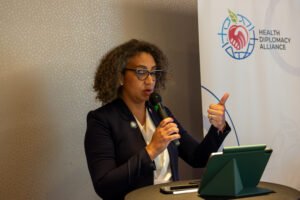
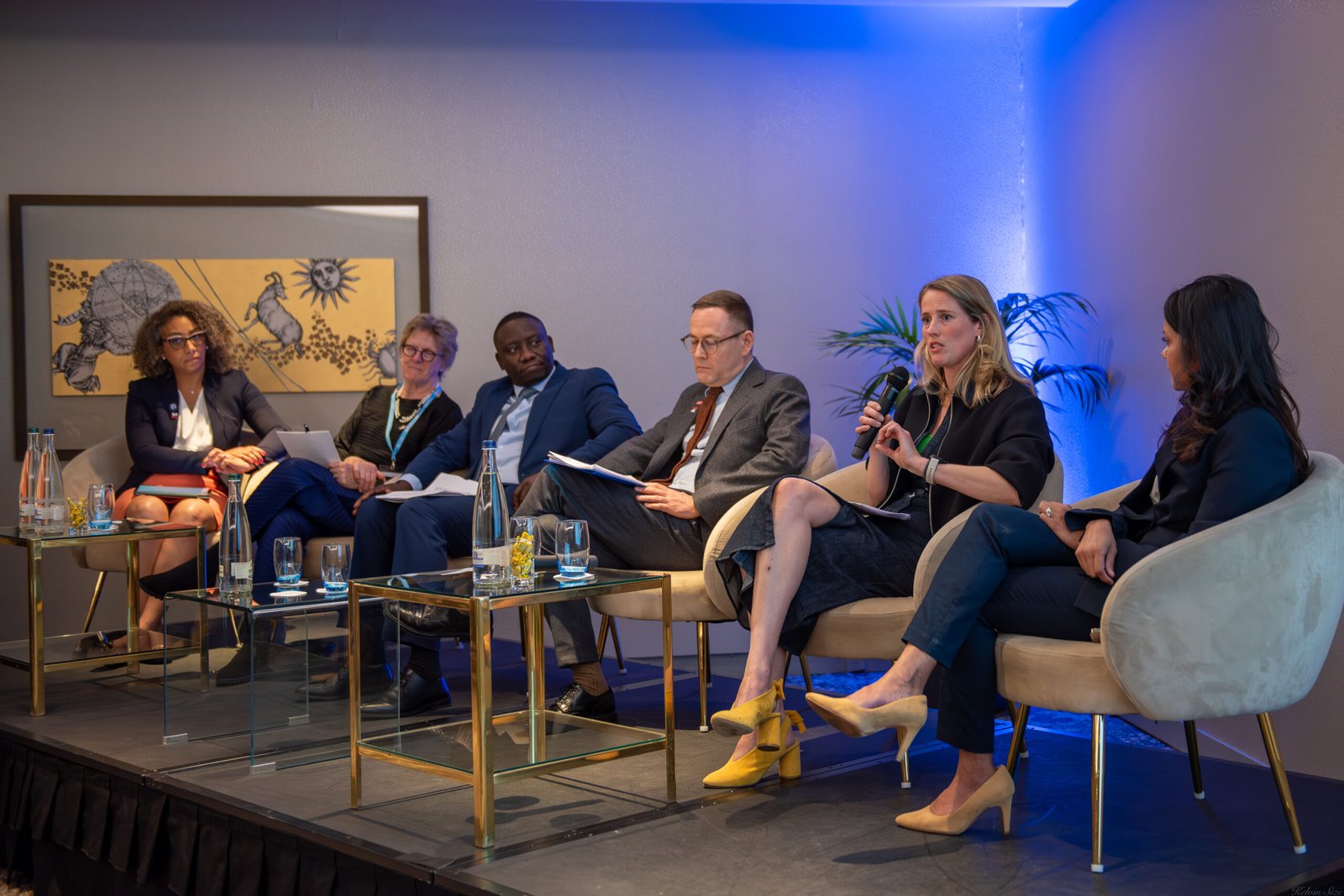
    The panel opened with introductory remarks from Katherine Urbáez, Executive Director of the Health Diplomacy Alliance, who also moderated the conversation. Urbáez set the stage for focusing on AMR prevention and mitigation by highlighting the need to explore global actions on AMR, the landscape of healthcare products, gaps in innovative prevention and diagnostics, and the push-and-pull incentives for sustainable financing mechanisms.

    This was followed by a panel discussion wherein Professor Dame Sally Davies, UK Special Envoy on AMR, highlighted the importance of the establishing an Independent Panel on Evidence for Action Against AMR. She stressed that an inclusive, representative, and One Health approach driven panel is key to inform evidence-based AMR prevention and mitigation policies, communicating an urgent need for ensuring sustainable funding mechanisms for their implementation.

    Providing a glimpse into the regional relevance of the global AMR dialogue, Dr Ntuli Kopologwe, Director General, The East, Central and Southern Africa Health Community, shared the significance of establishing and financing National Action Plans on AMR. He stressed that member states need support to develop surveillance capacity and infrastructure and emphasized the need for strengthening regional partnerships and collaboration centered on a One Health approach.

    Bringing the perspective on innovation in medical products, Eva Rennen, Member of the Board of BEAM Alliance and co-founder at Nostics, shared the role of AI in accelerating pace, improving efficiency, and reducing price of novel antibiotics and diagnostics. She discussed incremental versus transformative innovation, stating a need to conceptualize preventive technologies beyond Infection Prevention and Control and WASH, and consider the entire patient journey from a holistic perspective.

    In reference to the link of AMR with NCDs, Per Wahlstedt, Expert in Healthcare from Swedish Cancer Society, brought to the fore the relevance of curbing AMR towards improving clinical management of Non-Communicable Diseases. He highlighted that around 300,000 people globally are affected with skin cancer and that AMR is 1.25 times more common in cancer patients. He recommended that AMR stewardship at the hospital and healthcare level is critical for improving quality of care for cancer patients.

    Sadhavi Chauhan, Government Engagement and Policy Manager, Access to Medicine Foundation, advanced the conversation on R&D of medical products by complementing it with the perspective of access. She shared the core facets of the AMR Benchmark, a tool that guides responsible production and distribution of antimicrobials and the role of member states in improving access to AMR products by designing supportive policies, regulations and guidelines.

    Bringing the story of patients and survivors. Vanessa Carter, Chair, WHO Task Force of AMR Survivors and of Executive Director of the AMR Narrative, provided critical patient perspective to the conversation by sharing her lived experience with drug resistant infections. She stressed the importance of including patient, survivor, and caregiver voices in designing policies to address the burden of AMR, highlighting the key role of awareness, surveillance and financing centred on community partnerships and collaboration.

    Our Alliance is committed to leverage diplomacy to support member states and relevant stakeholders to advance action on AMR work and monitor progress on the commitments  agreed in the past High-Level Political Declaration on AMR and current global and regional initiatives. This event, by closely examining the determinants for AMR prevention and mitigation and calling for an urgent need to adopt integrated interdisciplinary evidence-based solutions, is a step within our objective to sustain global momentum to reduce the AMR burden.

  • 777 Campaign: World AMR Awareness Week 2025

    777 Campaign: World AMR Awareness Week 2025

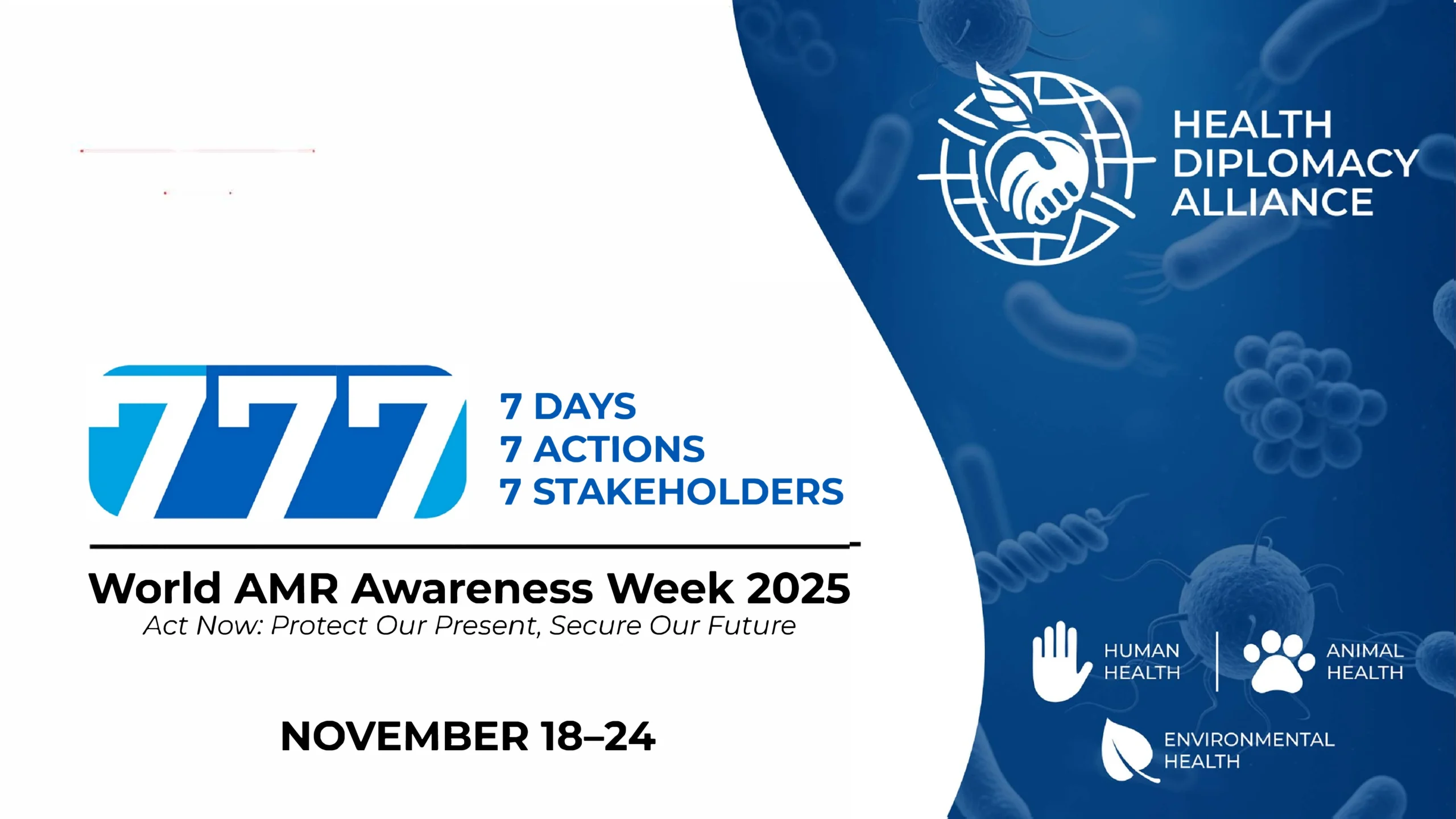
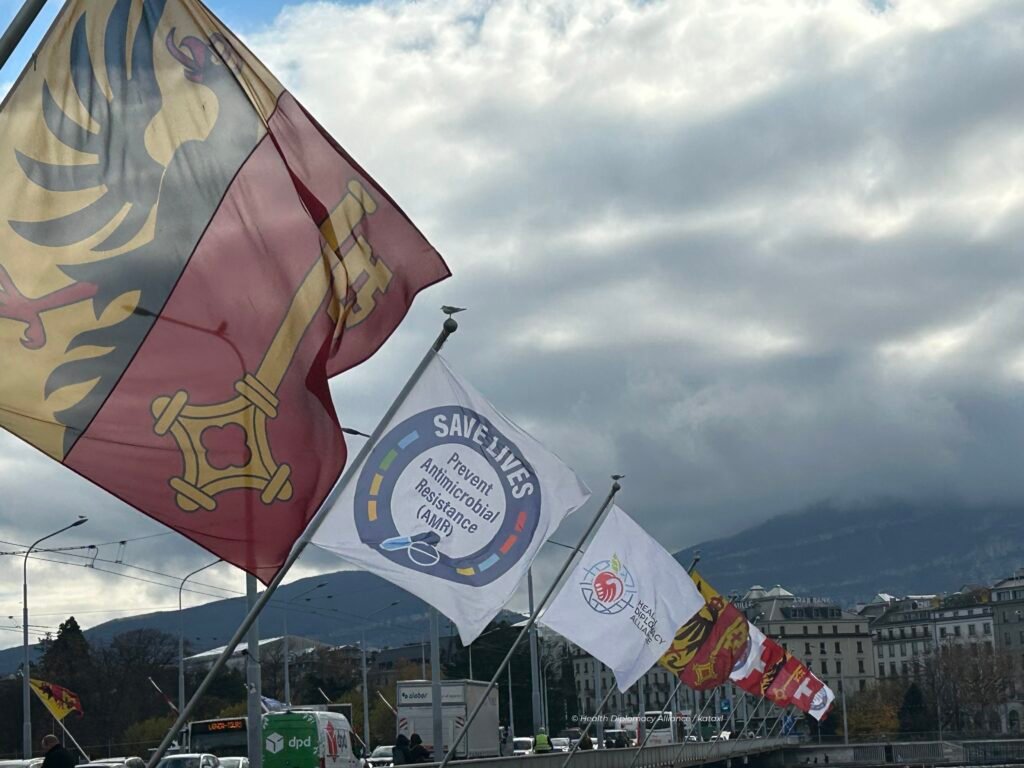
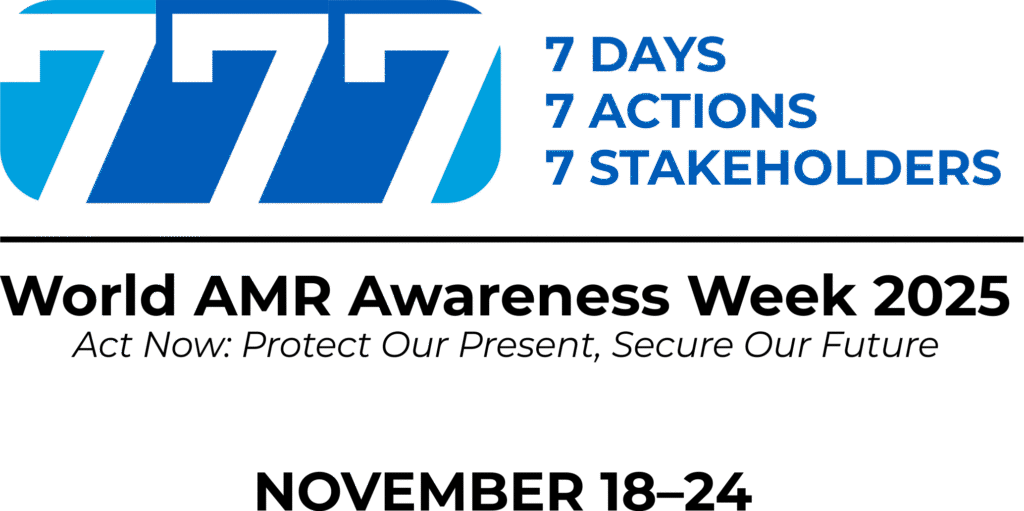
    The 7-7-7 Campaign, was our flagship initiative for our World Antimicrobial Resistance Awareness Week (18–24 November 2025), engaging during 7 days, 7 actions and 7 group of stakeholders. Key events included flag displays on Pont du Mont-Blanc from 17 to 19 November, an awareness booth at Geneva Cornavin Main Train Station on 18 November, and the blue illumination of Geneva’s Jet d’Eau on 23 November. 

    Throughout the week, an online social media campaign ran with partners from various sectors and participants who amplified the campaign’s reach and highlighted their work related to AMR. 

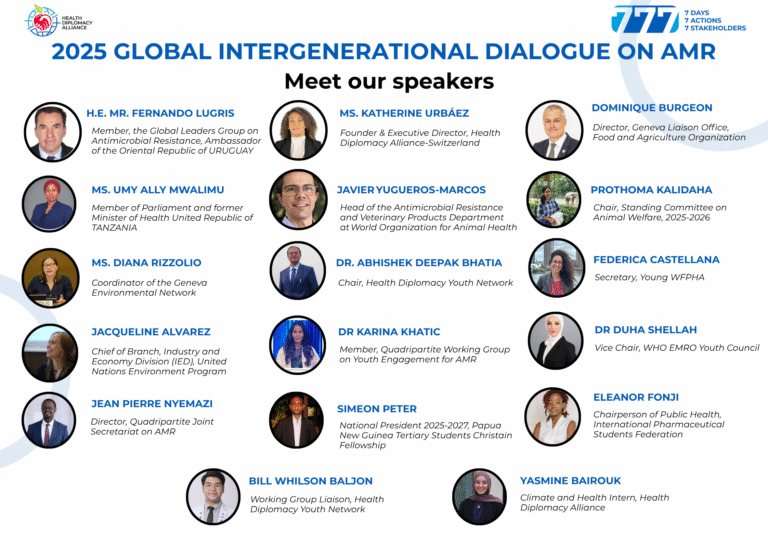
    As a conclusion to WAAW 2025, the 2025 Global Intergenerational Dialogue on AMR took place on 24 November in collaboration with the Geneva Environment Network, underscoring the critical need for cross-sectoral collaboration to sustainably address AMR. 

    Pont -Du-Mont Blanc

    One of the most noticeable aspects of our 777 campaign was the deployment of the Alliance’s and the AMR campaign’s flags during November 17–19, 2025.

    On average, 55,000 cars, 14,500 pedestrians, and 6,500 cyclists pass through the Pont du Mont Blanc each day.

    This exceptionally high circulation, which included pedestrian traffic, private automobiles, public transportation, and active mobility users, made it the perfect setting for educating the Canton of Geneva’s citizens and passersby about AMR.

    Thousands of extremely diverse and energetic travelers saw the flags throughout the course of the three days, raising awareness of AMR and highlighting the importance of health diplomacy in public spaces.

    Train Station Booth

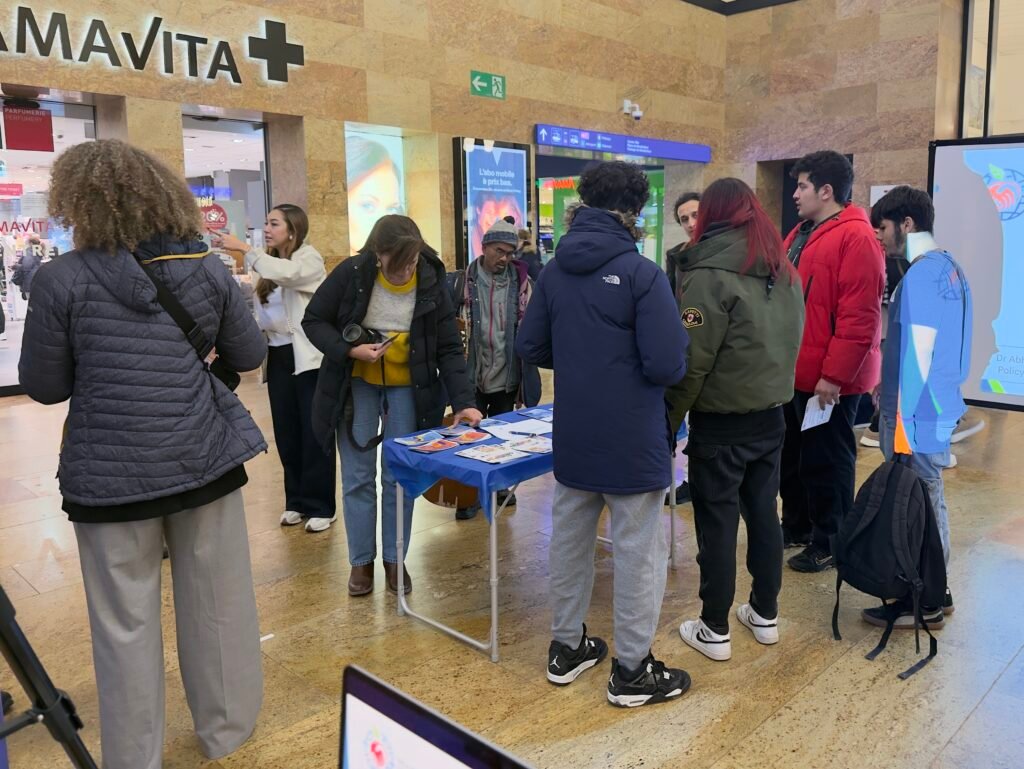
    A full-day AMR awareness stand at Gare Cornavin, the largest and busiest train station in Geneva, with more than 170,000 passengers passing through daily. Our objective was to engage directly with the people and raise awareness about antimicrobial resistance in an accessible way.  

    The stand featured: 

    • A large projection screen showing educational and informative content produced by us and the organizations that joined our 777 campaign
    • Distribution of educational and informative materials, including flyers, infographics, and factsheets.
    • An interview corner for short recordings with passersby and partners. 


     Throughout the day: 

    • We interacted with individuals of all ages in multiple languages to make our outreach inclusive (English, French, Spanish, Portuguese)
    • Many visitors learned about AMR for the first time 

    Social Media Campaign

    Over 7 days, we convened a social media campaign across our platforms to highlight 7 key actions from 7 stakeholder groups to reduce the global AMR burden.

    The actions included Infection Prevention and Control, Water Sanitation and Hygiene, stewardship, surveillance, innovation, R&D, manufacture, equitable access, One Health approach, evidence-based policy, financing, and health diplomacy.  

    The 7 stakeholder groups represented a whole-of-society approach to curbing the global health threat and included AMR Survivors, Health workers, Governments and Policy Makers, Civil society, philanthropy, academia, International Organizations, Private Sector, Media.

    The content spanned languages such as Maltese, English, Spanish, French, Hindi, Portuguese, Italian, and Malayalam

    The social media outreach from over 20 global organizations who participated in the campaign totalled 15,231 impressions, likes, reactions, and reposts.

    Jet d’Eau Ilumination


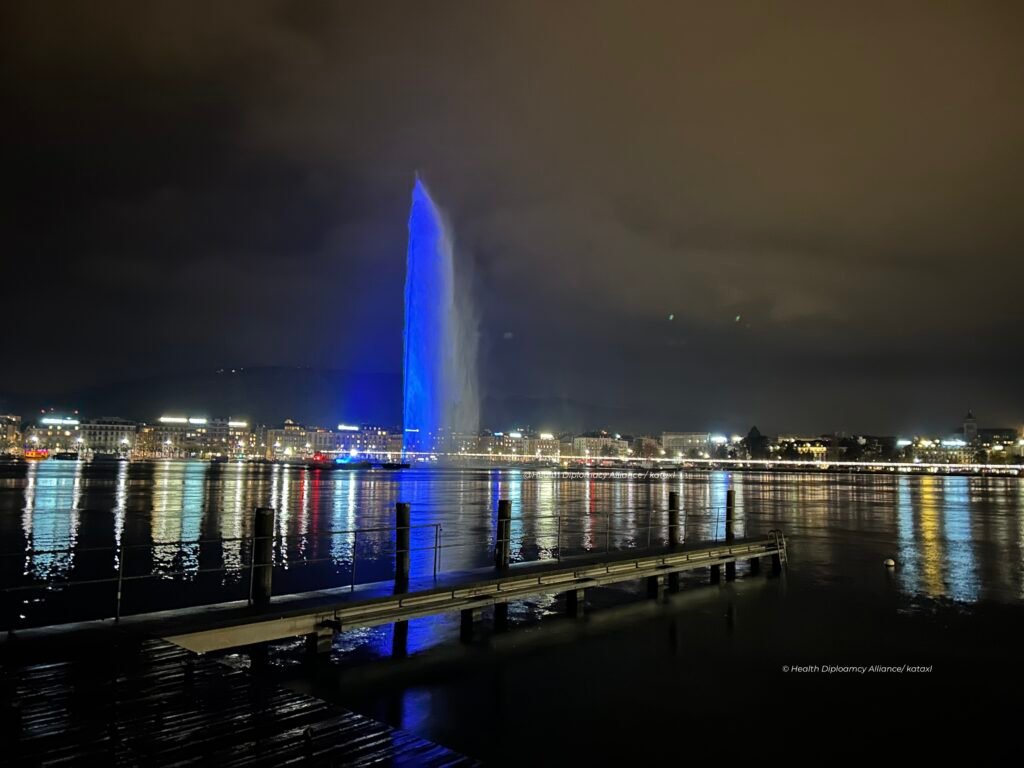
    The illumination of the Jet d’Eau in blue on 23 November was one of the key activities carried out as part of our 777 campaign.

    Lighting of the Jet d’Eau supports awareness of key issues, humanitarian emergencies, or highlights events organized in international Geneva. For WAAW2025, the Jet adorned itself in brilliant blue to illuminate the AMR challenge at the heart of the harbor.  

    This symbolic icon of the city of Geneva, lighting it in blue, raised visibility, strengthened public awareness, and encouraged collective action in support of the campaign’s goals to reduce the global burden on AMR. 


    2025 Intergenerational Dialogue on AMR


    Co-hosted by the Health Diplomacy Alliance and Geneva Environment Network, the 2025 Global Intergenerational Dialogue on AMR brought together speakers from Quadripartite and Youth led organizations and built on global momentum, amplified youth perspectives through dedicated surveys, fostered inter-generational exchanges of cross sectoral and cross regional success stories and highlighted actionable recommendations to embed inclusive One Health approach in global AMR governance. 

  • From Jeddah to Geneva | Multilateralism Addressing Antimicrobial Resistance

    From Jeddah to Geneva | Multilateralism Addressing Antimicrobial Resistance

    This event is organized within the framework of the 2024 World Antimicrobial Resistance Awareness Week (WAAW) – a global campaign to raise awareness and understanding of Antimicrobial Resistance (AMR) and promote best practices among One Health stakeholders to reduce the emergence and spread of drug-resistant infections.

    About this Session

    Antimicrobial resistance is a critical and growing threat to human, and animal health, food security, environment, and development. AMR has been directly linked to 1.27 million global deaths and has contributed to 4.95 million deaths.

    During the last 79th United Nations General Assembly, 26 September, as part of the high-level week it was adopted a High-Level Political Declaration on AMR where the urgent need for global action against AMR, including the global target to reduce the misuse of antimicrobial and sustainable financial and innovation to combat AMR globally.

    As part of the ongoing efforts the Fourth Ministerial Conference on Antimicrobial Resistance will be hosted by the Kingdom of Saudi Arabia on 15-16 November in Jeddah, under the theme “From Declaration to Implementation – Accelerating Actions Through Multisectoral Partnerships for the Containment of AMR”. The conference, bringing together leaders to address urgent issues in preventing and managing AMR on a global scale, will be preceded by a side event day for non-state actors on 14 November.

    This event, organized as part of the World Antimicrobial Resistance Awareness Week (WAAW) from 18 to 24 November, will serve as a strategic gathering to advance commitments and build on the 4th Ministerial Conference and the work on AMR from international organizations and partners in Geneva International to accelerate the commitments on AMR, foster collaboration between the Quadripartite AMR organizations, UNEP, WHO, FAO, WOAH, the private sector, academia, and civil society to promote the integrated One Heath approach and evaluate the next steps and commitments that result from the meeting in Jeddah.


    Speakers

    H.E. Amb. Matthew WILSON

    Permanent Representative of Barbados to the United Nations Office and other international organizations in Geneva

    Jacqueline ALVAREZ

    Chief, Chemicals and Health Branch, UN Environment Programme

    Jean Pierre NYEMAZI

    Director a.i., Global Coordination and Partnership Department, AMR Division, World Health Organization

    Dominique BURGEON

    Director, Geneva Liaison Office, Food and Agriculture Organization

    Javier YUGUEROS-MARCOS

    Head of the Antimicrobial Resistance and Veterinary Products Department, World Organisation for Animal Health

    Judith MOORE

    Head, Access & Outcomes, Centre for Health and Healthcare, World Economic Forum

    Luka ŠROT

    Associate Director, Health Security, International Federation of Pharmaceutical Manufacturers and Associations

    Katherine URBAÉZ

    Founder and Executive Director, Health Diplomacy Alliance

    Wondwosen ASNAKE KIBRET

    Policy and Partnerships Coordinator, Europe Office, UN Environment Programme | Moderator

    Read more: Jeddah to Geneva

    Watch the recording: VIDEO