Tag: patients

  • Member States Adopt Landmark Resolution on Skin Diseases at 78th World Health Assembly

    Member States Adopt Landmark Resolution on Skin Diseases at 78th World Health Assembly

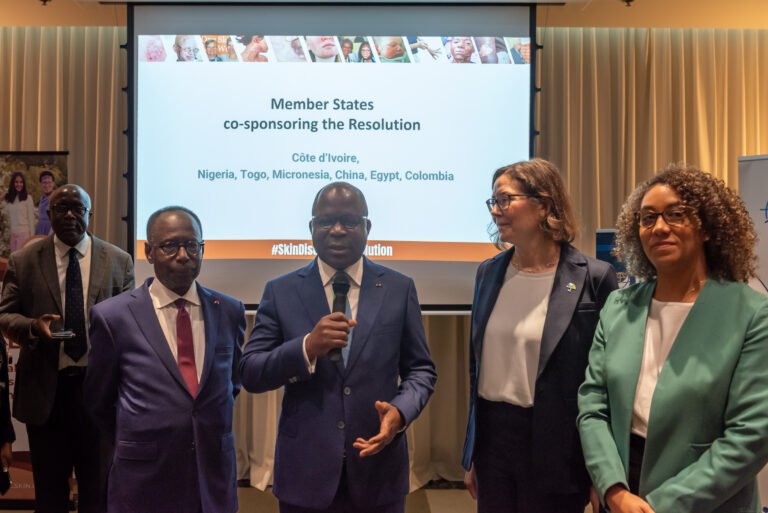
    Geneva, May 2025 — In a historic move to elevate skin health on the global public health agenda, Member States at the 78th World Health Assembly (WHA78) adopted the resolution titled “Skin Diseases as a Global Public Health Priority.” Led by Côte d’Ivoire and co-sponsored by Colombia, China, Egypt, Micronesia, Nigeria, and Togo, the resolution marks a transformative step toward addressing the needs of over 2 billion people affected by skin conditions worldwide. 

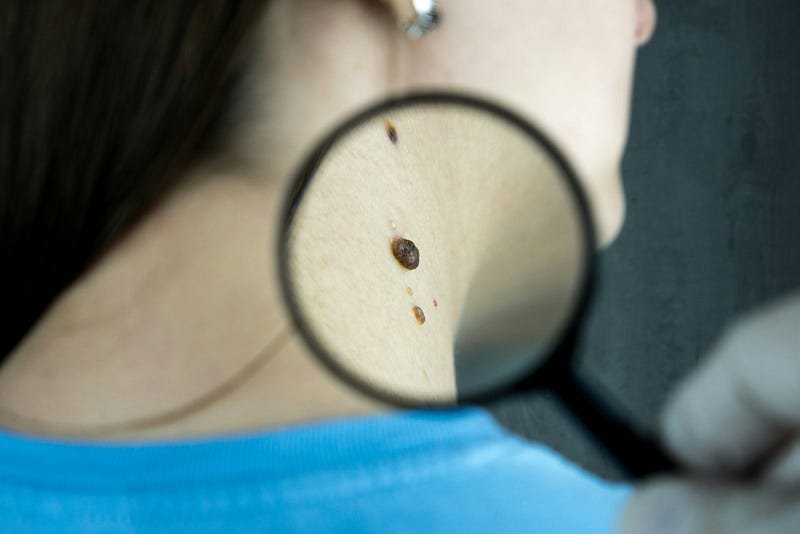
    Skin diseases and wounds are among the most common health conditions globally, yet they remain disproportionately neglected in national and international health strategies. The resolution acknowledges the wide-ranging impact of skin conditions, including infectious, autoimmune, genetic, and climate-sensitive diseases, and calls for a comprehensive, integrated response. 

    The resolution mandates the development of a Global Action Plan that will focus on prevention, early detection, effective treatment, and long-term care, while promoting equitable access to affordable, high-quality services and integrating skin health into broader health systems. 

    “This resolution marks a turning point,” said Jennifer Austin, CEO of the International Alliance of Dermatology Patient Organizations (GlobalSkin). “For the first time, the voices of people living with skin diseases have been truly heard by Ministers of Health all around the world. Now, we must work together to turn this commitment into meaningful and lasting action.” 

    “This is a major milestone for global dermatology,” said Prof. Henry W. Lim, President of the International League of Dermatological Societies (ILDS). “It reflects decades of advocacy and scientific progress. The next step is to ensure that implementation is inclusive, well-resourced, and sustainable.” 

    The resolution urges Member States to: 

    • Strengthen primary healthcare systems and workforce training. 
    • Expand access to affordable diagnostics and treatments. 
    • Integrate skin health into disability, rehabilitation, and mental health policies. 
    • Promote research, surveillance, and innovation, including digital tools and tele-dermatology. 

    It also calls on the international community including NGOs, academic institutions, and the private sector to collaborate in supporting implementation, reducing stigma, and advancing access to care. 

    “We were glad to have engaged with Member States throughout the process leading to this resolution,” said Katherine Urbáez, Founder and Executive Director of the Health Diplomacy Alliance. “We are committed to continuing our support for the development, consultation, and implementation of the Global Plan of Action on skin diseases, among all groups and collective efforts of leading organizations.” 

    The success of this resolution will depend on the collaboration of all stakeholders – governments, civil society, healthcare providers, researchers, and patient organizations – to ensure that the forthcoming Global Plan of Action on skin diseases is inclusive, evidence-based, and responsive to the needs of those most affected. 

    This resolution is not just a policy achievement; it is a global commitment to improving the lives of those affected by skin diseases, striving to achieve universal health coverage and ensuring that no one is left behind. 


    Media Contact:
    Fahad Parvez
    Communications Manager
    GlobalSkin
    fahad.parvez@globalskin.org  
  • Skin Diseases as a Global Health Priority

    Skin Diseases as a Global Health Priority

    Elevating Skin Health: Advancing the WHA Resolution on Skin Diseases

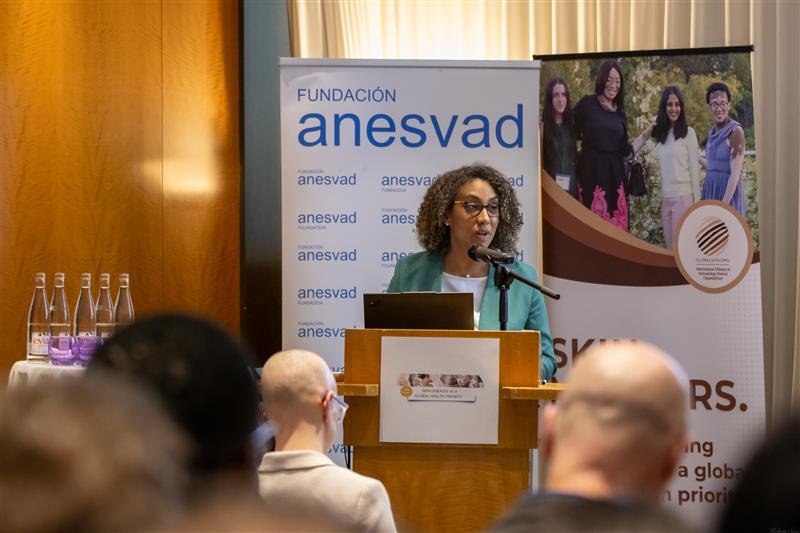
    Co-hosted by the International Alliance of Dermatology Patient Organizations (GlobalSkin), International League of Dermatological Societies (ILDS), Anesvad Foundation, and the Health Diplomacy Alliance

    Supported by World Skin Health Coalition


    Background: Skin diseases affect people globally, with an estimated 4.69 billion cases reported in the Global Burden of Disease Study 2021. More than 3000 skin conditions have been underrecognized because of their largely non-fatal nature and remain overlooked in global health financing, training, and research. The resolution “Skin Diseases as a Global Public Health Priority” led by Côte d’Ivoire and co-sponsored by China, Colombia, Egypt, Micronesia, Nigeria, and Togo, marks a transformative milestone in our approach to skin health, making skin conditions a formal public-health priority, critical towards attaining Universal Health Coverage.

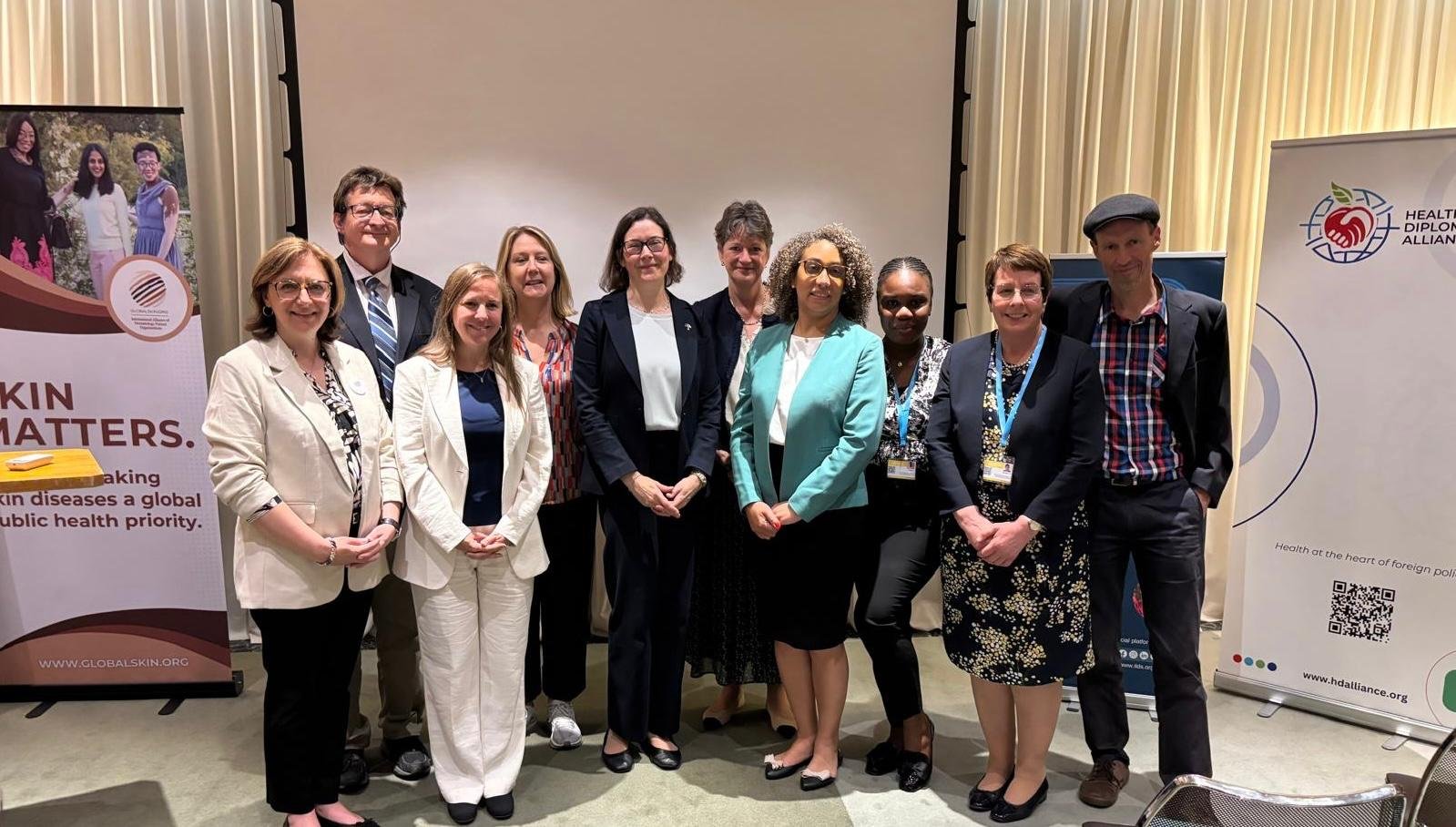
    In this context, the event convened Ministers, diplomats, World Health Organization (WHO) officials, patient  advocates, not-for-profit organizations, and clinicians  to align political momentum, map next steps for Member-State consultations, and share lessons from existing skin-health programmes—laying the foundation for achieving “skin health for all.”

    Summary:

    The event opened with a personal testimony from Toni Roberts, Co-Founder of DEBRA South Africa and a person living with  Epidermolysis Bullosa (EB). She highlighted crucial patient perspectives underscoring that her skin condition, EB, presents a life-and-death situation for patients as health systems are not equipped to respond to it with necessary care, training, and resources. Her remarks resounded an urgent need for investment in diagnosis, early intervention, and training frontline workers to address the health systems gaps.

    Speaking on behalf of Dr. Tedros Adhanom Ghebreyesus, Dr. Ibrahima Socé Fall, Director Global, Neglected Tropical Diseases, World Health Organisation, stressed that the resolution gives hope and a voice to people with skin diseases, which when left untreated, cause stigma and disability. He highlighted that the resolution strengthens global efforts for early detection and access to treatment for all, while pointing to WHO’s commitment to provide technical assistance to all countries towards achieving skin health for all.

    Jennifer Austin, Chief Executive Officer, International Alliance of Dermatology Patient Organizations (GlobalSkin), shed light on the stigma, social exclusion and minimization faced by patients of skin diseases, sharing key statistics on their global prevalence and burden. She underscored the commitment of GlobalSkin to reduce access barriers for patients and support people with skin diseases ensuring they can live healthy and fulfilled lives.

    This was complemented by a medical perspective delineated by Dr. Claire Fuller, Board Member, International League of Dermatological Societies. She stressed the need to end misdiagnosis by improving access to diagnostic tools, embedding skin-disease surveillance in primary care and scaling tele-dermatology. She highlighted the WHO Academy training and other tools to help frontline workers confidently diagnose and manage the ten common conditions that account for 80% of the burden.

    Iñigo Lasa, General Manager, Anesvad Foundation, emphasized the importance of research efforts towards improving the lives of vulnerable people in countries where skin diseases are endemic. Enshrining the pivotal role of small- and medium-sized businesses, he suggested that by mobilizing financing and resources through partnerships, they pave the way for an integrated approach to skin NTDs resting on active case detection and management.

    Katherine Urbàez, Executive Director of the Health Diplomacy Alliance, emphasized a bottom-up strategy to combat skin diseases, insisting that strong political will is crucial for accelerating and sustaining progress on skin diseases management. She argued that the resolution acts as an integrated model that links physical- and mental-health while accounting for climate change and antimicrobial resistance and urged governments to integrate skin-disease into their National Action Plans.

    His Excellency Minister Pierre N’Gou Dimba, Ministry of Health, Public Hygiene and Universal Health Coverage, Cote D’Ivoire, reiterated his country’s support for the resolution in his remarks stressing the importance of prioritising skin diseases as a key objective towards achieving Universal Health Coverage.

    Thus, by facilitating dialogue between relevant stakeholders, the discussion delineated next steps and set the tone for consultations and negotiations on the resolution. The event closely examined the current siloed approach to skin diseases and concluded that an integrated resolution is essential for global and national progress towards ensuring skin health for all.

    Key takeaways

    • Stakeholders remain optimistic about the adoption of the resolution
    • Skin disease management must be integrated into UHC benefit packages to ensure early detection, treatment, and psychosocial care.
    • Primary-care providers must be trained to recognise and manage the ten most common skin diseases, which account for ~80% of the global burden.
    • Patient perspectives must be included in the global discourse as they play a pivotal role in combating stigma and galvanising political commitment.
    • Public–private partnerships are essential to mobilize resources and accelerate progress toward skin health for all.

  • Skin Diseases as a Global Public Health Priority

    Skin Diseases as a Global Public Health Priority

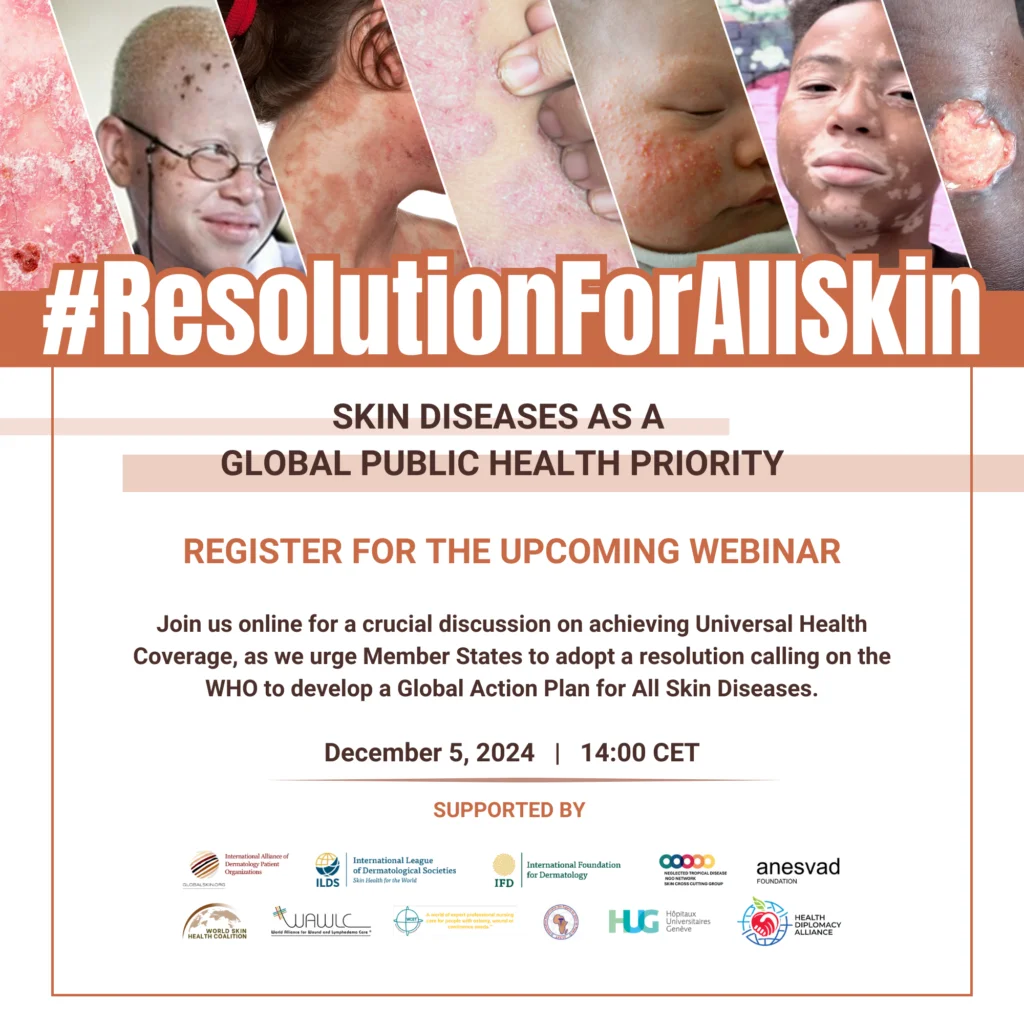
    Thursday, 5 December 2024 14:00-15:00 CET | Virtual Webinar
    Language: English | Live Transcription in more than 58 languages
    This Webinar will bring together Member States, healthcare professionals, patient advocates, and policy experts to explore the profound impact of skin diseases on global public health and the practical actions that are needed.
    An agenda item on All Skin Diseases, presented by Côte d’Ivoire and Nigeria with support from Togo and Micronesia, will be considered during the 156th WHO Executive Board from February 3–11, 2025, in Geneva.
    We will explore ways to support this initiative and advocate for a Global Action Plan to address the growing burden of skin diseases, worsened by social and economic factors, emerging infections, climate change, and mental health impacts.