Tag: reform

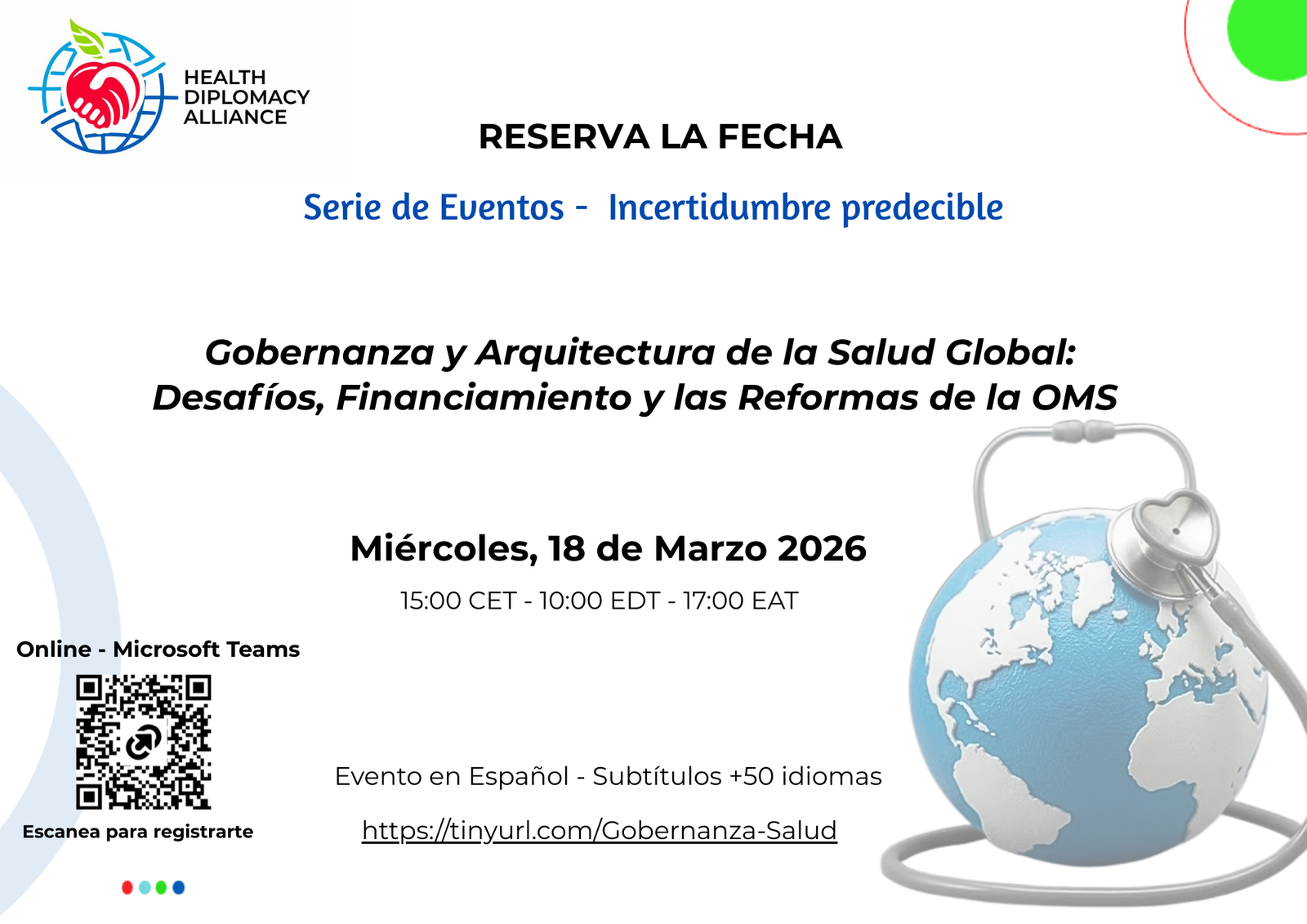
  • Gobernanza y Arquitectura de la Salud Global: Desafíos, Financiamiento y las Reformas de la OMS

    Gobernanza y Arquitectura de la Salud Global: Desafíos, Financiamiento y las Reformas de la OMS

    Sobre esta sesión

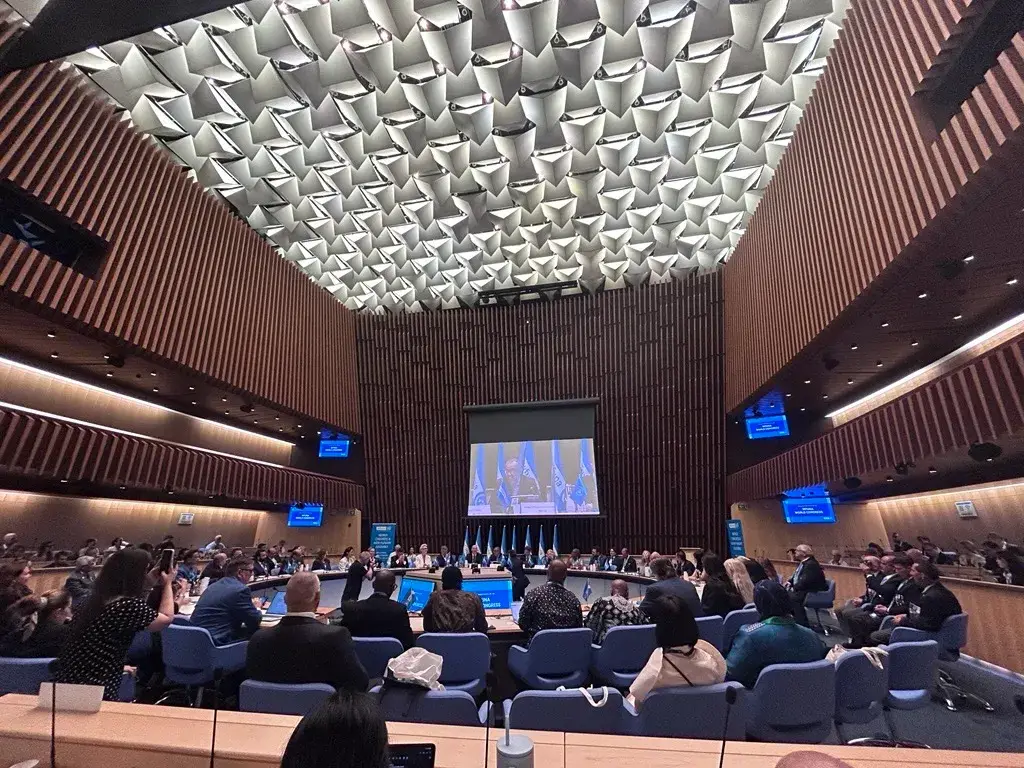
    El webinario titulado Gobernanza y Arquitectura de la Salud Global: Desafíos, Financiamiento y las Reformas de la OMS analizó la profunda transición que atraviesa la estructura sanitaria internacional en un contexto geopolítico de alta incertidumbre y volatilidad. Durante el evento, los especialistas coincidieron en que la pandemia de COVID-19 expuso debilidades estructurales que han acelerado la necesidad de reformar el multilateralismo para hacerlo más inclusivo, transparente y resiliente ante futuras crisis. Un eje central de la discusión fue la importancia de fortalecer los mecanismos regionales y subregionales, como el caso de la Secomisca en Centroamérica y República Dominicana, que ha logrado generar bienes públicos mediante la negociación conjunta de medicamentos, permitiendo ahorros significativos y una mayor soberanía sanitaria frente a los vaivenes globales. 


    En términos de financiamiento, los ponentes destacaron la urgencia de avanzar hacia modelos más predecibles y sostenibles que reduzcan la dependencia de ayudas externas condicionadas y fragmentadas. Se subrayó que la salud global debe entenderse hoy como un activo estratégico de seguridad y estabilidad económica, lo que exige reconstruir la confianza institucional en organismos como la Organización Mundial de la Salud. Al respecto, la representación de España enfatizó su rol como puente de diálogo entre la Unión Europea e Iberoamérica, defendiendo la necesidad de un tratado de pandemias jurídicamente vinculante y un liderazgo político basado en valores de equidad y acceso universal. 


    Finalmente, el debate abordó la creciente influencia de nuevos actores, como la filantropía global, y la necesidad de integrar sus recursos en una arquitectura coherente liderada por los Estados para asegurar que las prioridades respondan al consenso público y no a intereses privados. Los resultados de consultas regionales en América Latina y el Caribe reflejaron un fuerte deseo de descentralizar la toma de decisiones, moviendo el centro de gravedad desde las potencias tradicionales hacia las regiones para abordar desafíos complejos como el cambio climático y los determinantes comerciales de la salud. El evento concluyó reafirmando que la diplomacia en salud es la herramienta esencial para sincronizar estas agendas técnicas y políticas, garantizando que las reformas institucionales sean científicamente sólidas y políticamente viables.

    Panelistas

    Mencía Manso De Zúñiga Spottorno

    Embajadora en Misión Especial para la Salud Global

    José Renán De León Cáceres

    Secretario Ejecutivo – Secretaría Ejecutiva del Consejo de Ministros de Salud de Centroamérica y República Dominicana – SE-COMISCA

    Prof. Paola Abril Campos Rivera

    Profesora de investigación en Instituto Tecnológico y de Estudios Superiores de Monterrey

    Ginnette Morales Calderón

    Jefa de Despacho de la Secretaría Ejecutiva del Consejo de Ministros de Salud de Centroamérica y República Dominicana – SE – COMISCA

    Dr. Casimiro Vizzini

    Gerente Senior de Salud en la Africa-Europe Foundation (AEF)

    Katherine Urbaez

    Moderadora
    Health Diplomacy Alliance

    Video del evento

  • From Fragmentation to Alignment: Redesigning Global Health Architecture for 2030 and Beyond

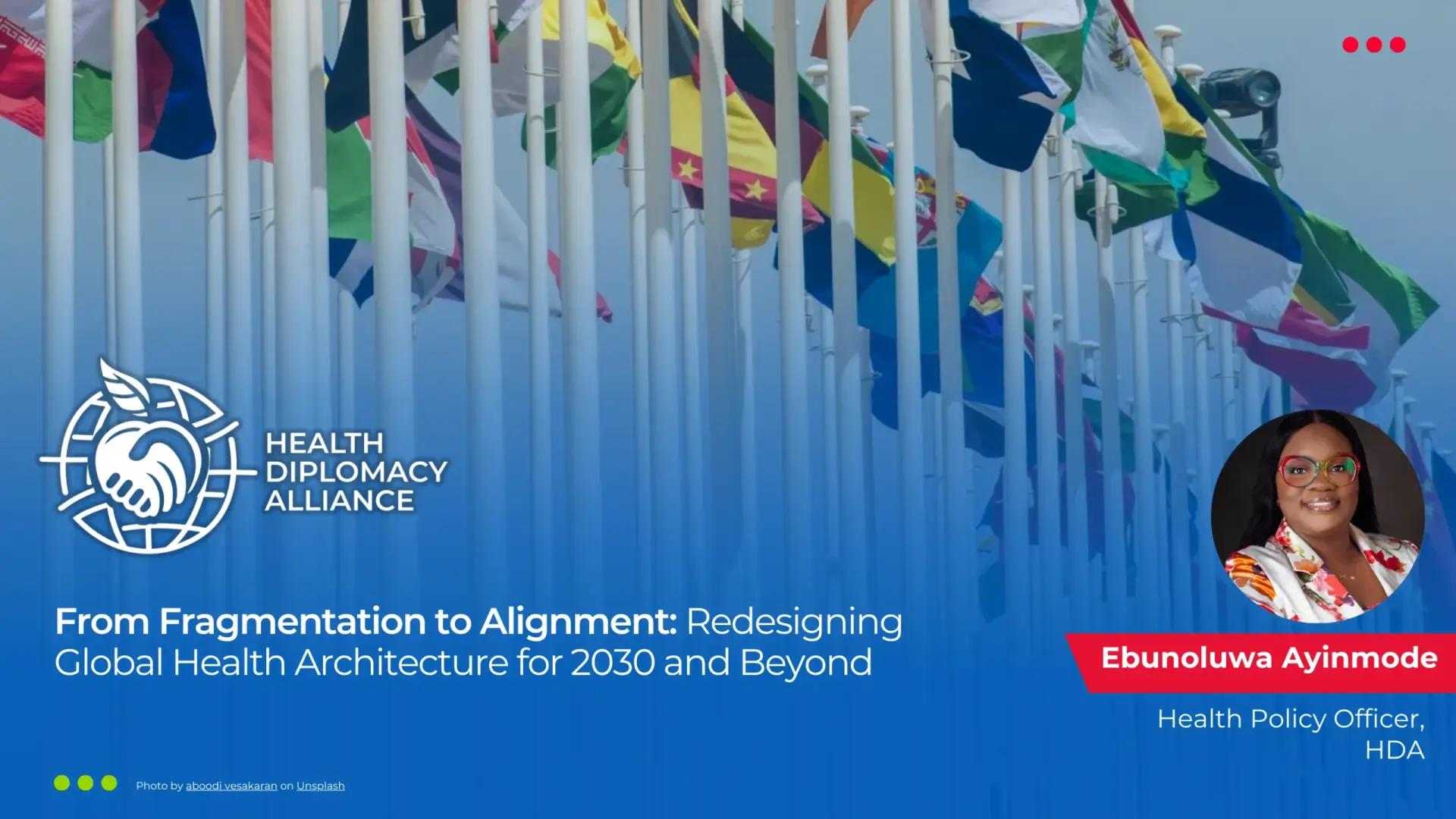
    From Fragmentation to Alignment: Redesigning Global Health Architecture for 2030 and Beyond

    Image source – A. Vesakaran on Upsplash 

    The COVID-19 pandemic triggered the largest surge in global health financing in recent history, prompting pledges of reform and solidarity across nations, donors, and institutions. Five years later and just five years before the end of the Sustainable Development Goals timeline in 2030, critical questions remain: Has global health architecture truly evolved? Are countries more prepared and in control of their health systems?

    Evidence from the Global Health Expenditure Database (April 2025) reveals that low-income countries still rely heavily on foreign aid, which accounts for more than 25% of their total health expenditure. In contrast, government expenditure on health remains low, with most countries allocating less than 10% of their national budgets to the sector. Despite repeated commitments, including the Abuja Declaration’s 15% target, domestic financing remains inadequate, and health systems continue to underperform.

    Systemic Challenges

    • Donor Overreach and Parallel Systems: Donor funding often flows through fragmented vertical programs (e.g., HIV, malaria, immunization), bypassing national health strategies and creating duplication. This undermines long-term sustainability and weakens institutional capacity.
    • Lack of Coherent Governance: There is no binding global framework to hold donors accountable to national priorities. Despite efforts such as the Lusaka Agenda and updates to the International Health Regulations (IHR), donor coordination remains voluntary and inconsistent.
    • Neglect of Primary Health Care: According to GHED data, less than 30% of government health spending in many low- and middle-income countries is allocated to primary health care. Instead, spending is concentrated on curative services and disease-specific interventions, leaving frontline systems underfunded.
    • Weak Integration of Evidence into Decision-Making
    Despite growing access to global guidance and data, many countries still face challenges in translating evidence into policy and practice. Capacity gaps in data analysis, health economics, and implementation science often due to underinvestment in local institutions, limit the ability to make strategic choices, assess trade-offs, or negotiate effectively with external partners.

    What Reform Should Look Like

    Legally Binding Frameworks for Donor Coordination:
    Integrate donor alignment and transparency requirements into global governance instruments such as the International Health Regulations. Donors should be obligated to report funding through national health accounts and align with country-led strategies.


    Country-Led Health Investment Compacts:
    Shift from fragmented projects to co-financed national health compacts, where governments and development partners co-develop health system investment plans. These compacts should be reviewed publicly and embedded in national budget and monitoring frameworks.


    Strengthen Regional Leadership and Sovereignty:
    Empower regional organizations such as Africa CDC, WAHO, and the Southern African Development Community (SADC) Health Desk to lead pooled procurement, local pharmaceutical regulation, and cross-border surveillance. Establish continental public dashboards for health security financing.


    Rebalance Spending Toward System Foundations:
    Redirect funding toward primary care, community health workers, health infrastructure, and public health surveillance. Governments should recommit to the Abuja target of allocating at least 15% of their total budgets to health.


    Fund Southern Institutions and Knowledge Platforms:
    Increase investment in Africa-based research institutions, policy think tanks, and civil society groups to ensure global policy and guideline development reflects the realities and leadership of the Global South.


    Conclusion

    The architecture of global health remains tilted toward external control, vertical programs, and fragmented governance. Reform must go beyond temporary initiatives or rhetorical solidarity. It must be rooted in enforceable rules, long-term financing, regional agency, and country-driven accountability. With just five years left to achieve the Sustainable Development Goals, the time to shift power, rebuild trust, and design a resilient, equitable, and accountable global health system is now.

    References

    1. World Health Organization. (2025) Global Health Expenditure Database (GHED): April 2025 Release. https://apps.who.int/nha/database
    2. The Future of Global Health Initiatives (FGHI) Report. (2023) A vision for evolution: Aligning GHIs with country systems. https://www.futureofghis.org
    3. Kickbusch, I., & Aginam, O. (2021). Reforming the Global Health Architecture: The Road to Equity and Effectiveness. Geneva Global Health Hub. https://www.g2h2.org/posts/reforming-global-health-architecture
    4. Center for Global Development. (2023). It’s Time to Change: Reforming the Global Health Architecture. https://www.cgdev.org/blog/time-change-reforming-global-health-architecture
    5. World Health Organization. (2024). Strengthening the Global Architecture for Health Emergency Preparedness, Response and Resilience (HEPR). https://www.who.int/publications/i/item/9789240060616
    6. United Nations. (2023). Progress towards the Sustainable Development Goals: Report of the Secretary-General. https://unstats.un.org/sdgs/report/2023
    7. Africa Centres for Disease Control and Prevention (Africa CDC). (2022). New Public Health Order for Africa. https://africacdc.org/download/the-new-public-health-order-for-africa
    8. Marten, R., & Smith, R. D. (2023). Power shifts in global health: Are we there yet? BMJ Global Health, 8(1), e010248. https://gh.bmj.com/content/8/1/e010248

    About the Author


    Ebunoluwa Ayinmode is a global health professional and Program Manager at WAFERs. Her niche is health systems, guidelines, and policy. She champions locally driven strategies and amplifies African voices in global health, bridging diplomacy, data, and grassroots action.

  • Navigating Health Diplomacy in a Shifting Geopolitical Landscape

    Navigating Health Diplomacy in a Shifting Geopolitical Landscape

    The recent geopolitical shifts raise urgent questions about the future of global health. As the influence of traditional global health actors wanes, new power dynamics are emerging, with regional blocs and non-state actors playing increasingly prominent roles. At the same time, health itself is being transformed by rapid technological advancements such as AI, which require appropriate governance to ensure equitable access and ethical use. These shifts call for a reassessment of whether existing multilateral structures can adapt or if more decentralized and equitable approaches are required to govern health effectively in a changing world.

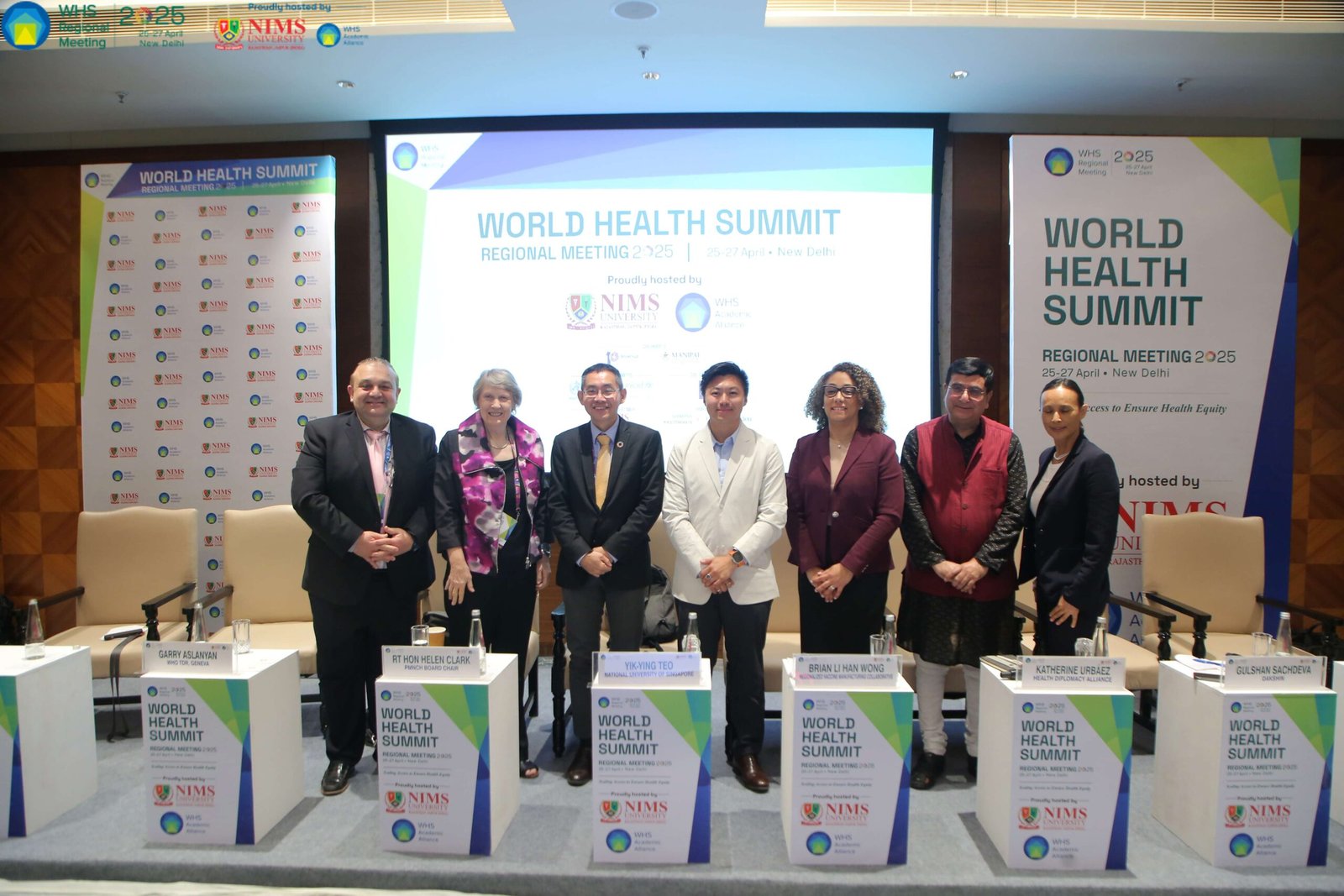
    At the WHS Regional Meeting in Delhi last Saturday, the Global Health Diplomacy Network hosted a session titled “Navigating Health Diplomacy in a Shifting Geopolitical Landscape: Challenges and Opportunities to the Multilateral System and the Path Forward”. As traditional power structures shift, how can the global health community navigate this evolving landscape? Will this provide new opportunities and momentum for change? Who will lead in setting health priorities, securing financing, and ensuring equitable access to health services, particularly for marginalized groups of the population and areas facing humanitarian crises?

    The Rt Hon. Helen Clark from New Zealand and Professor Yik-Ying Teo from Singapore started the discussion by pointing to the growing unpredictability of global funding, the weakening of multilateral institutions, and the urgent need for stronger regional leadership, local capacity building, and sustainable financing. Brian Li Han Wong connected to the discussions around Health Diplomacy and AI, which took place in Bangkok in January at PMAC 2025, and shared insights from the newly published opinion piece, “From algorithms to negotiations: Why health diplomacy must adapt”.

    A discussion with Katherine Urbáez from the Dominican Republic and Gulshan Sachdeva from India explored the future of multilateral cooperation and diplomacy. Finally, Esperanza Martinez officially launched the GHD Network’s website, highlighting the importance of investing in future diplomatic capacities.

    The present crisis is an opportunity for reforms, new agenda, global collaboration, and global functions. Global health diplomacy is a fundamental aspect of global health governance. However, there is a need for different partnerships to navigate the complex challenges ahead.