
Tag: wha

  • Plastics & Health: What We’re Not Talking About | Health Diplomacy House

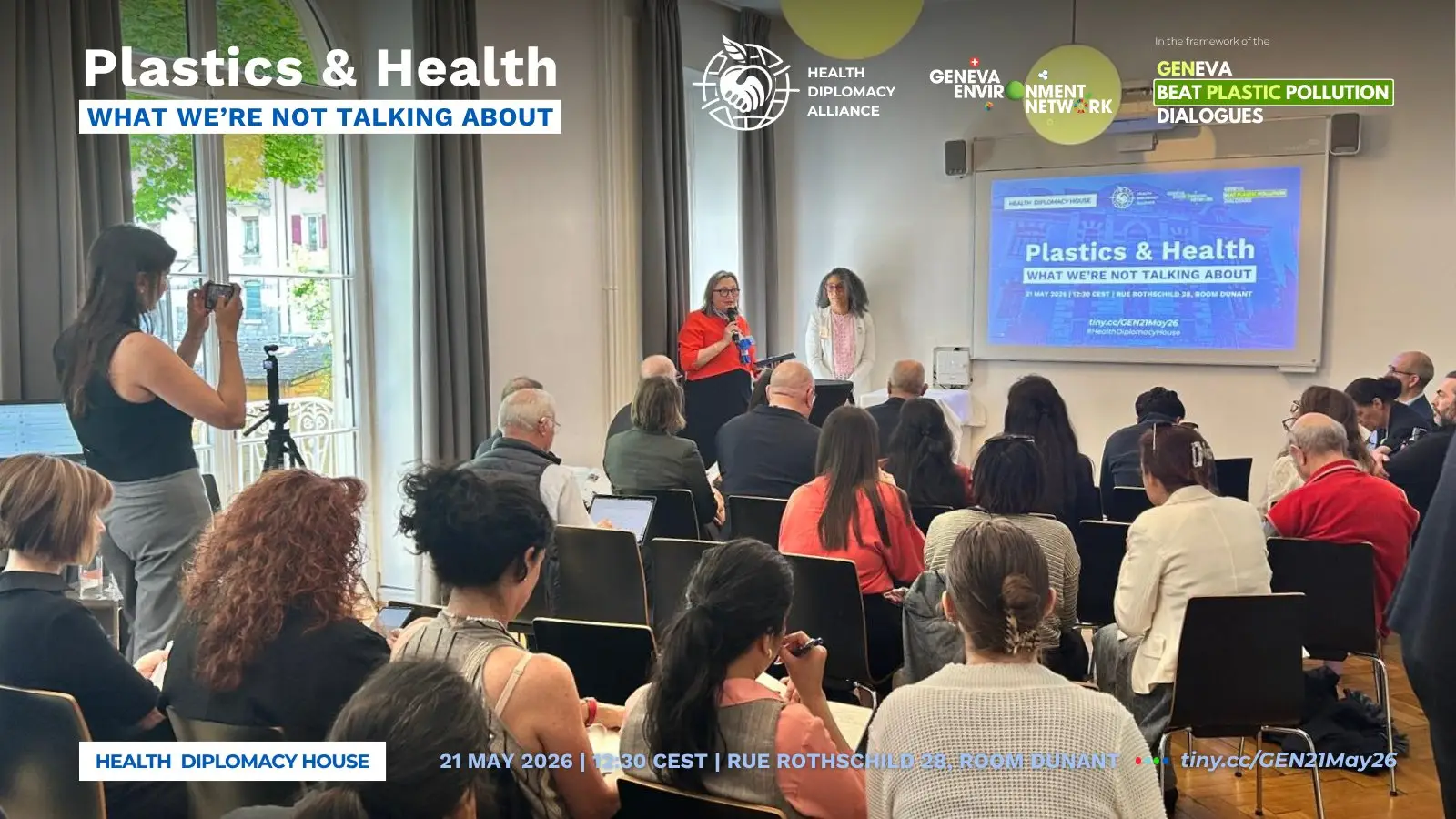
    Plastics & Health: What We’re Not Talking About | Health Diplomacy House

    On the sidelines of the 79th World Health Assembly (WHA79), the Health Diplomacy Alliance and Geneva Environment Network hosted the Health Diplomacy House on Thursday, 21 May 2026. The House was an informal working space where organizations can convene sessions, hold discussions, and collaborate on practical health policy issues. Part of the “Predictable Uncertainty” series, it brings together policymakers, diplomats, academia, civil society, philanthropic organizations, and patient groups.


    The programme consisted of roundtables, small group discussions, and space for bilateral meetings and media engagement, with a flexible agenda expected to cover topics such as One Health, antimicrobial resistance, climate and health, health financing, and global health governance.


    This growing recognition was reflected at the Seventy-sixth World Health Assembly (WHA76), held in Geneva in May 2023, where Member States adopted a resolution on the impacts of chemicals, waste, and pollution on human health. Initially tabled by Peru, Canada, Colombia, Ecuador, El Salvador, Mexico, Monaco, Switzerland, Uruguay, and the European Union and its Member States, the resolution calls for scaling up work on plastics and health. It also encourages contributions to the Intergovernmental Negotiating Committee (INC) mandated UNEA Resolution 5/14 to develop a legally binding instrument on plastic pollution, including in the marine environment. The resolution further acknowledges related multilateral processes, including those under the Human Rights Council.


    Since then, WHO has called for the highest attainable standard of human and environmental health to be a core objective of the plastics treaty. WHO has highlighted the need to address both known and anticipated health risks associated with plastics, including chemicals and additives, as well as microplastics and nanoplastics, across all stages of the plastics lifecycle.


    This event featured Lightning Talks by diplomats, scientists, policymakers, and other experts. These talks will highlight why it is essential to communicate more clearly, consistently, and effectively about the health impacts of plastic pollution, and why health must be placed at the centre of global action on plastics.

    Lightning Talks

    From Science to Treaty: Placing Health at the Core of Global Plastics Governance

    Miriam G. MEDEL GARCIA | Head, Environment Team, Permanent Mission of Mexico to the United Nations Office and other international organizations in Geneva

    Plastics & Health | Giving the Attention it Needs

    Rüdiger KRECH | Acting Director, Department of Environment, Climate Change, One Health and Migration, World Health Organization

    The Global Health Burdens of Plastics: The Lancet Countdown on Health and Plastics

    Hervé RAPS | Research Liaison Physician, Centre Scientifique de Monaco

    Plastics & Health | Impacts Across the Full Lifecycle

    David AZOULAY | Director, Switzerland & Environmental Health Program, Center for International Environmental Law

    Food‑contact Chemical Regulation Ineffective for Health Protection

    Etienne CABANE | Engagement Director, Food Packaging Forum


    Plastic & Health | Mainstreaming Scientific Knowledge

    Roman LEHNER | SNF SPARK Grant Holder, Department of Chemistry, Biochemistry, and Pharmaceutical Sciences, University of Bern

    Considering Key Elements for the Protection of Human Health in the Future Treaty on Plastic Pollution

    Carolyn DEERE BIRKBECK | Executive Director, Forum on Trade, Environment & the SDGs (TESS), Geneva Graduate Institute

    Plastic & Health | Scaling Proven Solutions

    María Alejandra GONZÁLEZ | Global Plastics Advocacy Manager, WWF Norway

    Sports for Nature | Swimming 191km to Raise Awareness for Global Ocean and Health Protection against Plastic Pollution

    Noam YARON | Record-Breaking Swiss Ultra-Endurance Athlete Advocating for Ocean Protection

    Video

    Live from the Résidence Rothschild

  • Lakeside Diplomacy Stroll

    Lakeside Diplomacy Stroll

    On May 18, the Health Diplomacy Alliance successfully conducted a refreshing Lakeside Diplomacy Stroll in Geneva, where youth from multiple disciplines in global health and various regions around the world came together to walk along scenic Lake Leman, sharing stories and connecting over tea, coffee, and tartines.


    Watch the video below-

  • THE AMR EQUATION: Where Innovation meets urgency –  Cross-Sectoral Collaboration for Preventing and Mitigating Antimicrobial Resistance

    THE AMR EQUATION: Where Innovation meets urgency – Cross-Sectoral Collaboration for Preventing and Mitigating Antimicrobial Resistance

    78th World Health Assembly 

    May 19, 2025. 12.00 – 14.00 CET 

    Antimicrobial Resistance (AMR) is a medical, social, and policy crisis driving up mortality from both infectious and noncommunicable diseases, intensifying inequality, hindering economic stability, and challenging climate resilience, particularly in low-resource settings. While progress in antimicrobial pipelines is important, tackling drug-resistant infections urgently requires integration across infectious disease prevention, treatment, chronic care, and environmental health system.

    In this context, as part of our Pillar of Work on One Health, and current efforts to elevate attention to the threat of AMR, we convened experts from the public and private sector, intergovernmental organizations, non-governmental organizations, and AMR survivors to share their work, experience, and inputs for sustainable solutions to the AMR crisis.

    The panel opened with introductory remarks from Katherine Urbáez, Executive Director of the Health Diplomacy Alliance, who also moderated the conversation. Urbáez set the stage for focusing on AMR prevention and mitigation by highlighting the need to explore global actions on AMR, the landscape of healthcare products, gaps in innovative prevention and diagnostics, and the push-and-pull incentives for sustainable financing mechanisms.

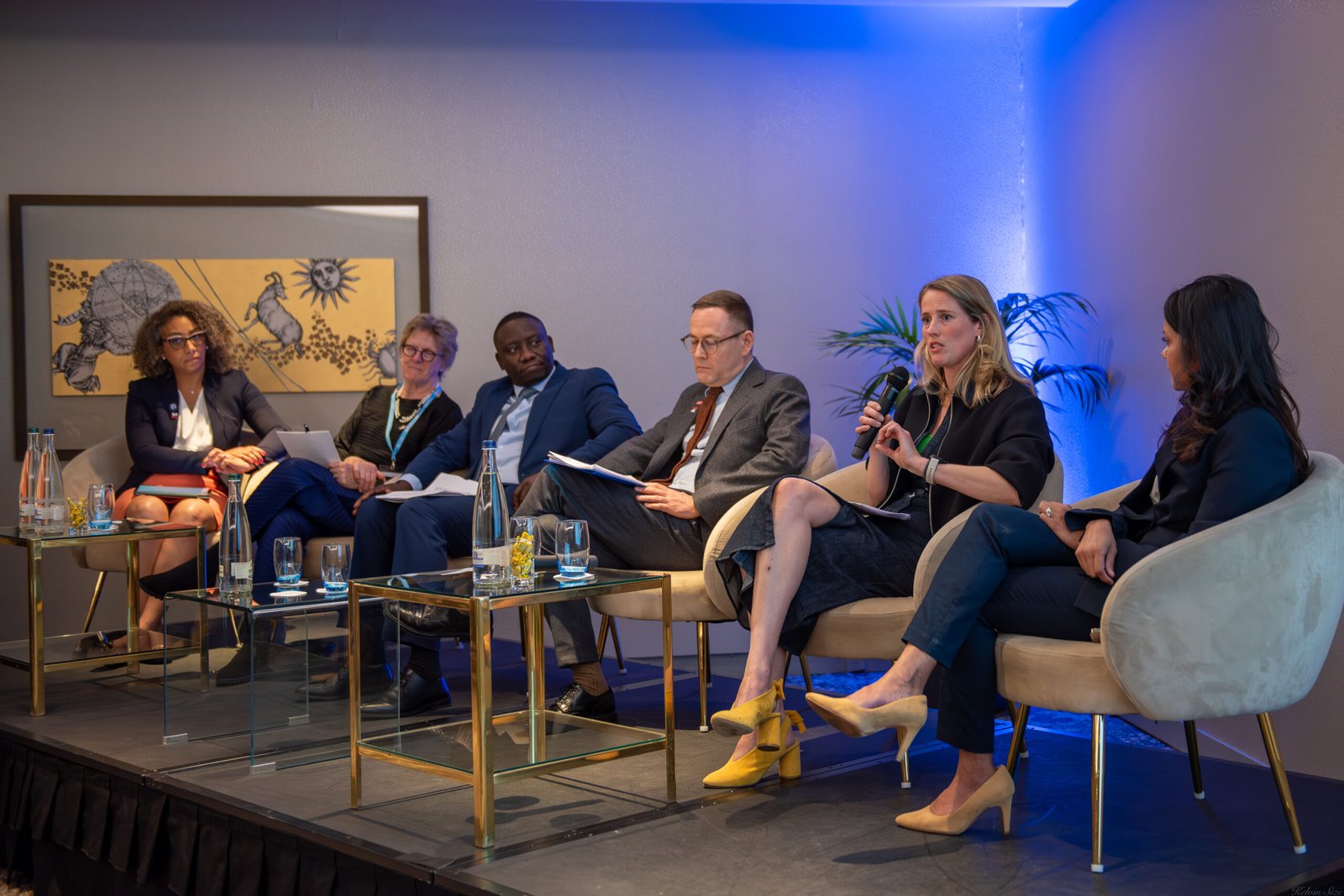
    This was followed by a panel discussion wherein Professor Dame Sally Davies, UK Special Envoy on AMR, highlighted the importance of the establishing an Independent Panel on Evidence for Action Against AMR. She stressed that an inclusive, representative, and One Health approach driven panel is key to inform evidence-based AMR prevention and mitigation policies, communicating an urgent need for ensuring sustainable funding mechanisms for their implementation.

    Providing a glimpse into the regional relevance of the global AMR dialogue, Dr Ntuli Kopologwe, Director General, The East, Central and Southern Africa Health Community, shared the significance of establishing and financing National Action Plans on AMR. He stressed that member states need support to develop surveillance capacity and infrastructure and emphasized the need for strengthening regional partnerships and collaboration centered on a One Health approach.

    Bringing the perspective on innovation in medical products, Eva Rennen, Member of the Board of BEAM Alliance and co-founder at Nostics, shared the role of AI in accelerating pace, improving efficiency, and reducing price of novel antibiotics and diagnostics. She discussed incremental versus transformative innovation, stating a need to conceptualize preventive technologies beyond Infection Prevention and Control and WASH, and consider the entire patient journey from a holistic perspective.

    In reference to the link of AMR with NCDs, Per Wahlstedt, Expert in Healthcare from Swedish Cancer Society, brought to the fore the relevance of curbing AMR towards improving clinical management of Non-Communicable Diseases. He highlighted that around 300,000 people globally are affected with skin cancer and that AMR is 1.25 times more common in cancer patients. He recommended that AMR stewardship at the hospital and healthcare level is critical for improving quality of care for cancer patients.

    Sadhavi Chauhan, Government Engagement and Policy Manager, Access to Medicine Foundation, advanced the conversation on R&D of medical products by complementing it with the perspective of access. She shared the core facets of the AMR Benchmark, a tool that guides responsible production and distribution of antimicrobials and the role of member states in improving access to AMR products by designing supportive policies, regulations and guidelines.

    Bringing the story of patients and survivors. Vanessa Carter, Chair, WHO Task Force of AMR Survivors and of Executive Director of the AMR Narrative, provided critical patient perspective to the conversation by sharing her lived experience with drug resistant infections. She stressed the importance of including patient, survivor, and caregiver voices in designing policies to address the burden of AMR, highlighting the key role of awareness, surveillance and financing centred on community partnerships and collaboration.

    Our Alliance is committed to leverage diplomacy to support member states and relevant stakeholders to advance action on AMR work and monitor progress on the commitments  agreed in the past High-Level Political Declaration on AMR and current global and regional initiatives. This event, by closely examining the determinants for AMR prevention and mitigation and calling for an urgent need to adopt integrated interdisciplinary evidence-based solutions, is a step within our objective to sustain global momentum to reduce the AMR burden.

  • Geneva Health Forum

    Geneva Health Forum

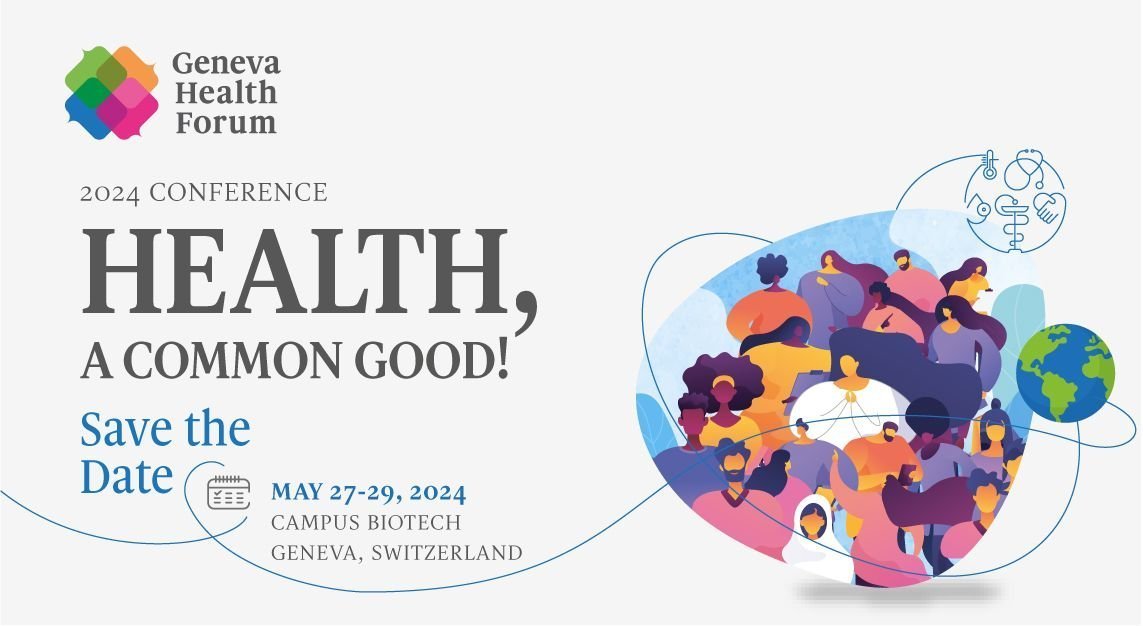
    🌍 The Geneva Health Forum 2024 Conference: Health, a Common Good!
    🗓 May 27-29, 2024
    📍 Campus Biotech, Chemin des Mines 9, 1202 Geneva

    The Geneva Health Forum 2024 to be celebrated from May 27-29 is prepared to convene global health leaders, researchers, medical practitioners, field actors, and policymakers for a transformative conversation on challenges and solutions toward health equity and access.

    The ever-growing disparities in health outcomes worldwide underscore the limitations of relying solely on market mechanisms to ensure equitable access to healthcare. The Conference theme “Health, a common good!” reaffirms the importance of viewing health as a collective asset, requiring collaborative efforts, community engagement, and a broader focus on the social and environmental determinants of health.

    The 2024 GHF Conference will delve into the vision of health as a common good across three pivotal domains:

    1.      Health and the Environment: Time for Solutions
    2.      Migration, Health, and Equity
    3.      Towards the Elimination of Malaria

    The Geneva Health Forum will serve as a platform for experts, researchers, and practitioners to collaborate, share insights, and advance solutions in these key areas.