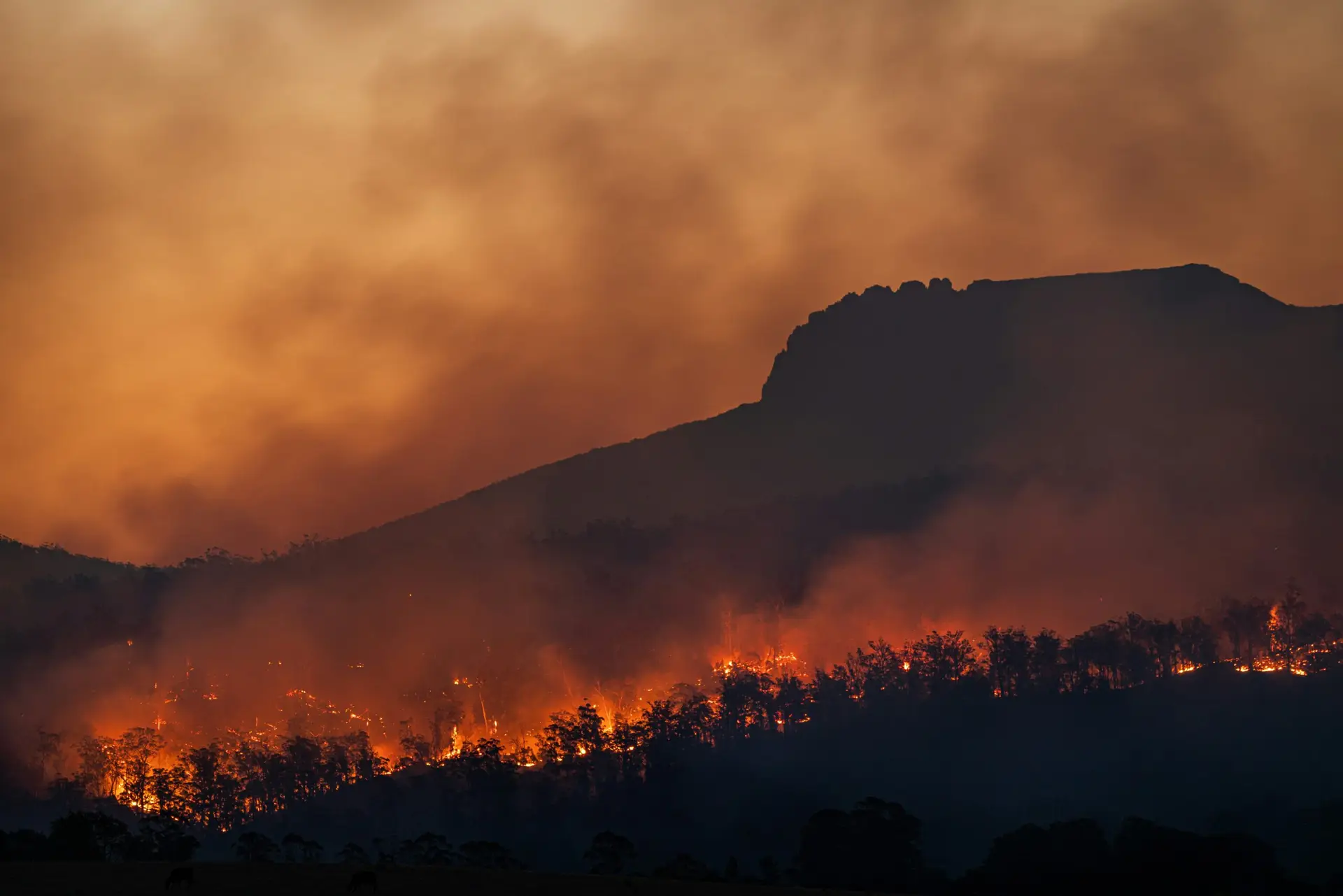
Climate change is understood as the greatest global health threat of the 21st century and has become a core health diplomacy issue as it shapes disease burdens, food and water insecurity, air pollution exposure, displacement, extreme-heat and disaster risks, and the resilience of health systems themselves.
Climate and health diplomacy, also known sometimes as planetary health diplomacy, addresses the interconnected crises of climate change, biodiversity loss, and human health. It does so through a set of political, governance, negotiation, financing, and partnership processes by which health priorities are integrated into climate agendas and climate considerations are embedded in health systems.
Climate and healthy diplomacy bridges fragmented agendas across environment, economy, and health to create sustainable, actionable solutions, international collaboration and holistic policy that protect both human wellbeing and the Earth’s natural systems. This is essential for coordinating global action against the climate crisis, a threat that transcends national borders and cannot be solved by one country alone.
The policy landscape is moving beyond advocacy into formal governance and implementation. WHO Member States adopted a dedicated climate and health resolution at the 77th World Health Assembly, followed by the first WHO Global Action Plan on Climate Change and Health (2025–2028) at WHA78. At the same time, health is being incorporated into the core architecture of UNFCCC diplomacy, reflected in the COP28 UAE Declaration on Climate and Health, coalition-building at COP29, and the Belém Health Action Plan ahead of COP30.
The Health Diplomacy Alliance operates at the intersection of climate diplomacy, health governance, and strategic policy translation.
Analysis and Mapping
We systematically monitor global, regional, and national climate-policy processes that shape the climate-health agenda, identifying opportunities to integrate, elevate, and finance health priorities within these frameworks. Our analysis tracks the presence, or absence ,of health language across negotiation texts, declarations, action agendas, and national plans.
Support for Strategic Policy and Diplomacy
We translate climate policy and financing developments into diplomatic positioning and narratives that advance health. We work with organizations and partners to identify entry points, key actors, and the arguments most likely to shift outcomes.
Climate-Health Governance and Implementation
We track whether commitments made by international institutions, financing bodies, and governments are moving from declaration to funded plans and operational delivery, across WHO, UNFCCC, development banks, and regional bodies.
We identify opportunities to connect health-system resilience, adaptation, low-carbon transition, air pollution, and equity agendas across these processes.
Convening and Exchange
We create space for leading actors across climate and health, including governments, multilateral institutions, climate funds, philanthropies, researchers, and civil society, to exchange perspectives and build shared agendas.