Tag: environment

  • TRIPLE THREAT: Climate, Migration, and the Rising Burden of Infectious Disease: A Call for Health Diplomacy

    TRIPLE THREAT: Climate, Migration, and the Rising Burden of Infectious Disease: A Call for Health Diplomacy

    Climate change is a force multiplier that drives migration and exacerbates the spread of infectious diseases. Effective health diplomacy is required to address this complex climate-migration-disease nexus. The climate crisis increases the frequency of extreme weather events, such as droughts, wildfires, flooding, and tropical storms, which lead to more environmentally-driven conflicts and instability, driving migration. In 2024 alone, more than 45 million people were displaced due to environmental disasters, which is nearly double the average annual displacement that occurred over the last decade.

    Climate migration can result in endemic infectious diseases becoming epidemic, increased environments for pathogens to interact via zoonoses, and potential spillover events into human populations. Over 50% of the currently identified infectious diseases will be aggravated by climate hazards. Additionally, climate-related events contribute to an increase in vector-borne, waterborne, and infectious diseases. As an example, Venezuelan migrants traveling through the Andes experience increased rates of infectious and vector-borne diseases from contaminated water due to flooding or drought. Other migrants’ movement through the Darién Gap in Central American has also caused high rates of respiratory and diarrhea cases, as well as increased spread of Yellow Fever in Panama from Colombia.

    At the Alliance, our Pillars of Work embrace the intersectional approach necessary to address this triple threat nexus. In line with our focuses on One Health, Environmental & Climate Change, and Right to Health, we convened expert policy analysts and researchers to share their insights on this multifaceted issue.

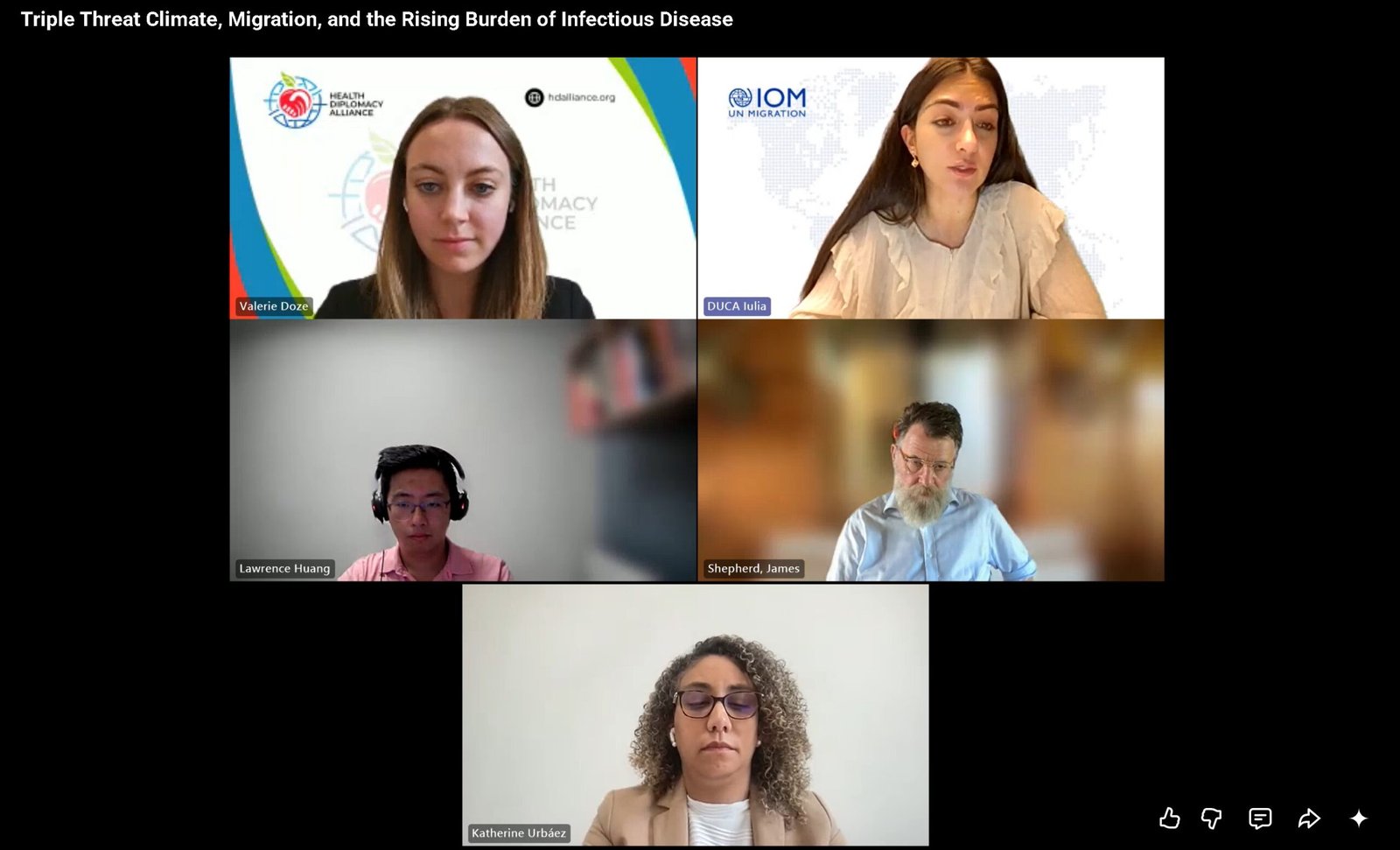
    The webinar opened with introductory remarks from Katherine Urbáez, Executive Director of the Health Diplomacy Alliance, as she set the stage for by highlighting health diplomacy’s role as a key, practical tool to coordinate at the multi-sectoral level to promote the shared solutions necessary to address this interlinking topic. She emphasized that health diplomacy is vital to facilitate the dialogue and cooperation among diverse actors, including governments, international organizations, civil society, and health services.

    Diving into the field-specific experts, the event was moderated by Valerie Doze, Climate Health Intern at the Health Diplomacy Alliance. The discussion was started by Iulia Duca, Programme Officer in the Climate Action Division at the International Organization for Migration (IOM). She emphasized that climate, migration, and health are not isolated issues, but are rather deeply interconnected, influencing and amplifying each other. Thus, a comprehensive approach is necessary to respond in a coherent, inclusive, and cross-sectoral capacity, which IOM recognizes in their work. From drought in the Horn of Africa to floods in Pakistan, people are being uprooting from their homes.

    Ms. Duca continued to explain that displacement today is often prolonged, occurring internally, and taking place in fragile contexts where health systems are already under threat. In these environments, the risk of infection, diseases, and outbreaks are amplified, and access to essential health services is negatively impacted. IOM witnesses first-hand how environmental impacts disrupt traditional migration routes, causing people to be pushed into overcrowded informal settlements. She explained how this overcrowding results in forced interactions with new ecological zones, increasing disease transmission risk. These displaced populations also suffer from limited or no access to primary health care, resulting in disrupted vaccinations, inadequate maternal and child care, and improper nutrition, water, and sanitation. Thus, a multi-sectoral approach is needed to address these compounding issues. Ms. Duca stressed the need to mobilize resources and actions through fostering partnerships across diplomacy, health, climate, and migration sectors to invest in more resilient systems that ensure people on the move are not left behind but rather protected, empowered, and included in every decision.

    Bringing the infectious disease perspective, the next perspectives were offered by Dr. James Shepherd (MD PhD), a faculty physician in the Section of Infectious Disease, Department of Medicine of Yale University School of Medicine. Dr. Shepherd emphasized that environmental factors bring infectious disease hosts, such as humans, in contact with agents, which are infections. Health diplomacy focuses firstly on hosts, or the human aspect of contracting diseases. Having previously worked for the WHO as a tuberculosis (TB) and HIV specialist in South Asia, he helped with the Global Outbreak and Response Network during the COVID-19 pandemic. Based in a 1,000,000 population camp in Cox’s Bazar, Bangladesh, health diplomacy required them to work with IOM, UNHCR, MSF, Save the Children, Red Cross, Red Crescent, and the Bangladeshi government to assist these forcibly displaced Myanmar natives. He stressed the importance of international cooperation on these efforts, which has since been stymied by the massive shift in US domestic politics. Global health has benefited from the support from the UN, WHO, Gavi, and other large international efforts focused on infectious diseases and climate change. Therefore, he shared thoughts on the potential for organizations to become more collaborative amidst the funding cuts, evolving diplomatically into new ways of working together.

    Dr. Shepherd continued to explain how humans in an environment are incredibly conducive to the transmission of infectious diseases, especially when almost no facilities and public health services are provided, which can result in another global pandemic. For instance, human movement from the countryside to unincorporated settlements on the edge of cities can change the complexion of infectious diseases. In Dharavi, a settlement in Mumbai, India, is a fertile place for infectious diseases, such as TB and now, COVID-19, to spread, due to the high population density and lack of sanitary public health facilities.

    Bringing his climate-migration experience was Lawrence Huang, a policy analyst with the Migration Policy Institute’s International Program. Having worked on MPI’s Global Initiative on Climate Mobility, he spoke on displacement and migration related to climate and environmental shocks. Research consistently shows that climate change is rarely the sole factor determining people’s movement, but it is usually a threat multiplier of economic, social, political, or health related drivers of mobility. While not the main issue, environment and climate drivers are often hidden behind other factors driving human displacement, such as loss of livelihoods and homes. This intersection of massive disasters leads to internal and cross-boundary movement. Mr. Huang elaborated that climate change and health interact in these situations in terms of vulnerability to infectious diseases and other health shocks, especially as health services can decline during disasters and other climate shocks.

    Mr. Huang emphasized the critical missing piece of the work, which is that migrants, refugees, and displaced people are often excluded from climate action, response, and programming. After losing their homes and moving into informal settlements, many migrants are often hit by floods, landslides, and other disasters because the settlements are located in areas without climate resilient infrastructure and systems. He stressed the importance of integrated holistic approaches to solve these compounding crises. As policymaking tends to be siloed, cross-sectoral collaboration is vital.

    Our Alliance is committed to leveraging health diplomacy to support member states and relevant stakeholders to increase collaboration across health, migration, and climate policy. This event, by fostering conversations about the gaps in this triple threat nexus, and exploring solutions to address these issues, aligns with our work to build strengthen the global response to health challenges by promoting cross-sector coordination.
  • THE AMR EQUATION: Where Innovation meets urgency –  Cross-Sectoral Collaboration for Preventing and Mitigating Antimicrobial Resistance

    THE AMR EQUATION: Where Innovation meets urgency – Cross-Sectoral Collaboration for Preventing and Mitigating Antimicrobial Resistance

    78th World Health Assembly 

    May 19, 2025. 12.00 – 14.00 CET 

    Antimicrobial Resistance (AMR) is a medical, social, and policy crisis driving up mortality from both infectious and noncommunicable diseases, intensifying inequality, hindering economic stability, and challenging climate resilience, particularly in low-resource settings. While progress in antimicrobial pipelines is important, tackling drug-resistant infections urgently requires integration across infectious disease prevention, treatment, chronic care, and environmental health system.

    In this context, as part of our Pillar of Work on One Health, and current efforts to elevate attention to the threat of AMR, we convened experts from the public and private sector, intergovernmental organizations, non-governmental organizations, and AMR survivors to share their work, experience, and inputs for sustainable solutions to the AMR crisis.

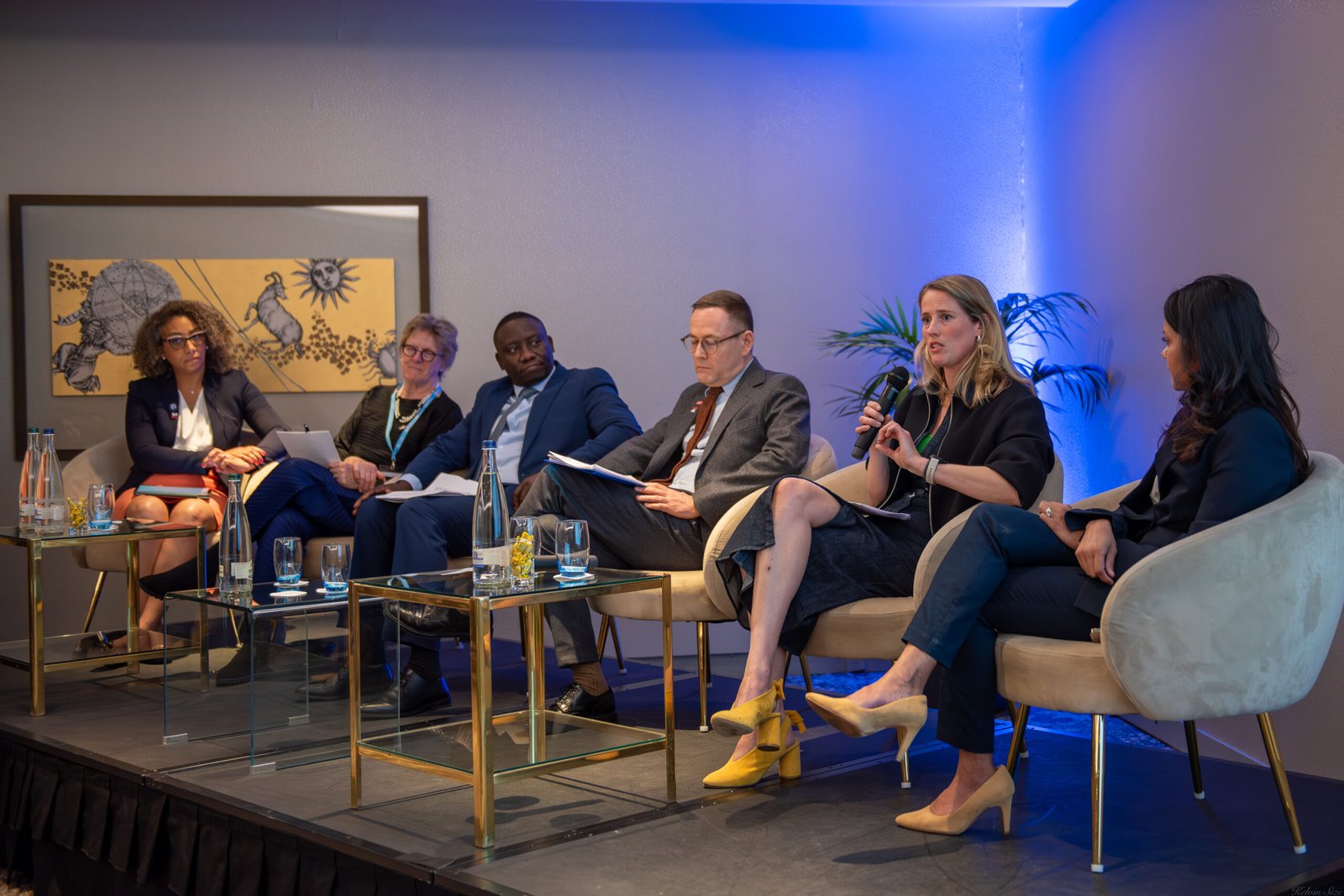
    The panel opened with introductory remarks from Katherine Urbáez, Executive Director of the Health Diplomacy Alliance, who also moderated the conversation. Urbáez set the stage for focusing on AMR prevention and mitigation by highlighting the need to explore global actions on AMR, the landscape of healthcare products, gaps in innovative prevention and diagnostics, and the push-and-pull incentives for sustainable financing mechanisms.

    This was followed by a panel discussion wherein Professor Dame Sally Davies, UK Special Envoy on AMR, highlighted the importance of the establishing an Independent Panel on Evidence for Action Against AMR. She stressed that an inclusive, representative, and One Health approach driven panel is key to inform evidence-based AMR prevention and mitigation policies, communicating an urgent need for ensuring sustainable funding mechanisms for their implementation.

    Providing a glimpse into the regional relevance of the global AMR dialogue, Dr Ntuli Kopologwe, Director General, The East, Central and Southern Africa Health Community, shared the significance of establishing and financing National Action Plans on AMR. He stressed that member states need support to develop surveillance capacity and infrastructure and emphasized the need for strengthening regional partnerships and collaboration centered on a One Health approach.

    Bringing the perspective on innovation in medical products, Eva Rennen, Member of the Board of BEAM Alliance and co-founder at Nostics, shared the role of AI in accelerating pace, improving efficiency, and reducing price of novel antibiotics and diagnostics. She discussed incremental versus transformative innovation, stating a need to conceptualize preventive technologies beyond Infection Prevention and Control and WASH, and consider the entire patient journey from a holistic perspective.

    In reference to the link of AMR with NCDs, Per Wahlstedt, Expert in Healthcare from Swedish Cancer Society, brought to the fore the relevance of curbing AMR towards improving clinical management of Non-Communicable Diseases. He highlighted that around 300,000 people globally are affected with skin cancer and that AMR is 1.25 times more common in cancer patients. He recommended that AMR stewardship at the hospital and healthcare level is critical for improving quality of care for cancer patients.

    Sadhavi Chauhan, Government Engagement and Policy Manager, Access to Medicine Foundation, advanced the conversation on R&D of medical products by complementing it with the perspective of access. She shared the core facets of the AMR Benchmark, a tool that guides responsible production and distribution of antimicrobials and the role of member states in improving access to AMR products by designing supportive policies, regulations and guidelines.

    Bringing the story of patients and survivors. Vanessa Carter, Chair, WHO Task Force of AMR Survivors and of Executive Director of the AMR Narrative, provided critical patient perspective to the conversation by sharing her lived experience with drug resistant infections. She stressed the importance of including patient, survivor, and caregiver voices in designing policies to address the burden of AMR, highlighting the key role of awareness, surveillance and financing centred on community partnerships and collaboration.

    Our Alliance is committed to leverage diplomacy to support member states and relevant stakeholders to advance action on AMR work and monitor progress on the commitments  agreed in the past High-Level Political Declaration on AMR and current global and regional initiatives. This event, by closely examining the determinants for AMR prevention and mitigation and calling for an urgent need to adopt integrated interdisciplinary evidence-based solutions, is a step within our objective to sustain global momentum to reduce the AMR burden.

  • SDG Olympiads 2025: Empowering Global Youth in Geneva

    SDG Olympiads 2025: Empowering Global Youth in Geneva

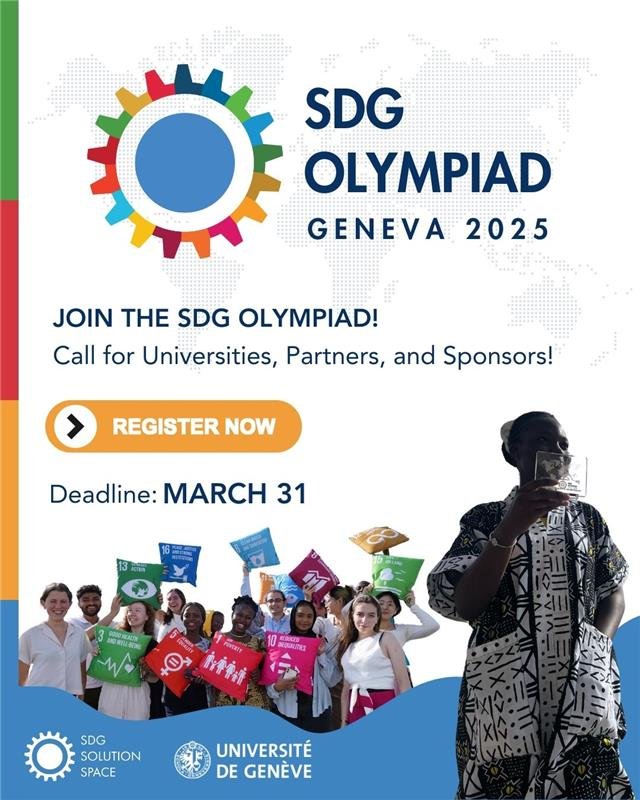
    The SDG Olympiads 2025 are set to take place in Geneva, Switzerland, from October 10 to 13, 2025, hosted at the University of Geneva’s SDG Solution Space. This global competition brings together students to co-create innovative solutions aligned with the United Nations Sustainable Development Goals (SDGS).

    Building on the success of the 2024 edition in Paris, the 2025 Olympiads will focus on Planetary Health, emphasising the impact of climate change on human health. Participants will engage in team-based problem-solving, utilising tools like citizen science and artificial intelligence to address critical data gaps essential for achieving the SDGS.

    The event is part of a broader educational program that supports projects developed during the SDG Summer Schools and other innovation events worldwide. Selected teams will receive coaching to refine their prototypes, engage stakeholders, and prepare for the final showcase in Geneva, where an international jury will evaluate their solutions.

    Students interested in participating can apply through the University of Geneva’s Geneva Summer Schools website, with the application deadline set for April 30, 2025. Université de Genève

    For more information and to express interest in participating, visit the SDG Olympiad 2025 official page.

  • 777 Campaign: World AMR Awareness Week 2025

    777 Campaign: World AMR Awareness Week 2025

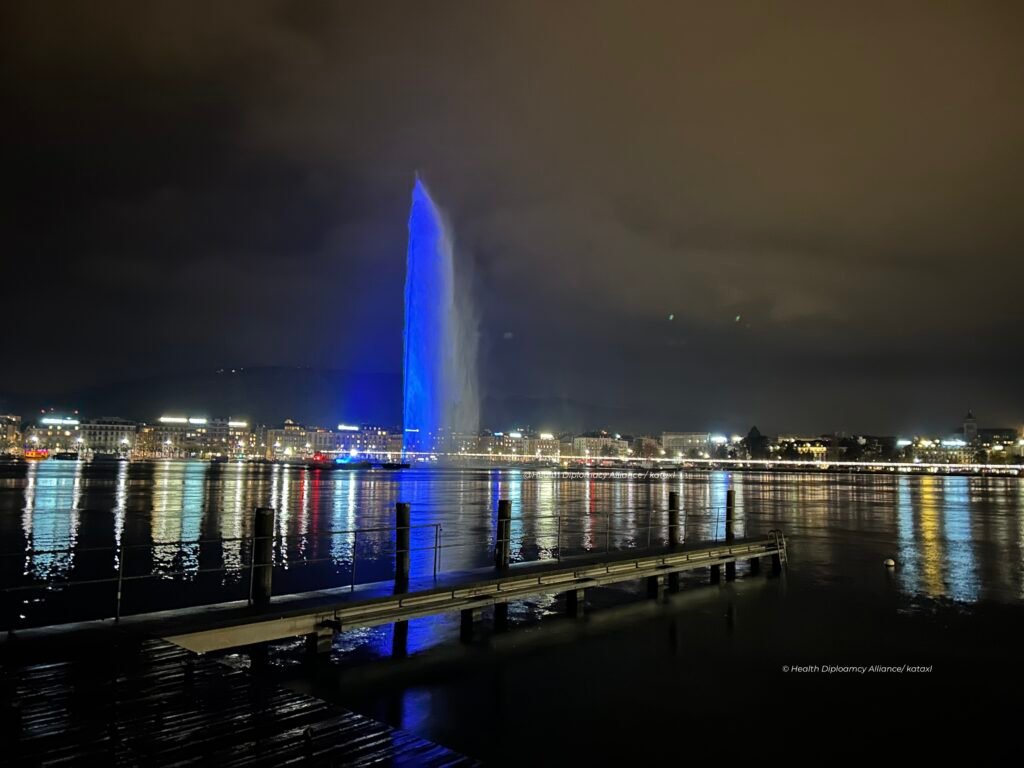
    The 7-7-7 Campaign, was our flagship initiative for our World Antimicrobial Resistance Awareness Week (18–24 November 2025), engaging during 7 days, 7 actions and 7 group of stakeholders. Key events included flag displays on Pont du Mont-Blanc from 17 to 19 November, an awareness booth at Geneva Cornavin Main Train Station on 18 November, and the blue illumination of Geneva’s Jet d’Eau on 23 November. 

    Throughout the week, an online social media campaign ran with partners from various sectors and participants who amplified the campaign’s reach and highlighted their work related to AMR. 

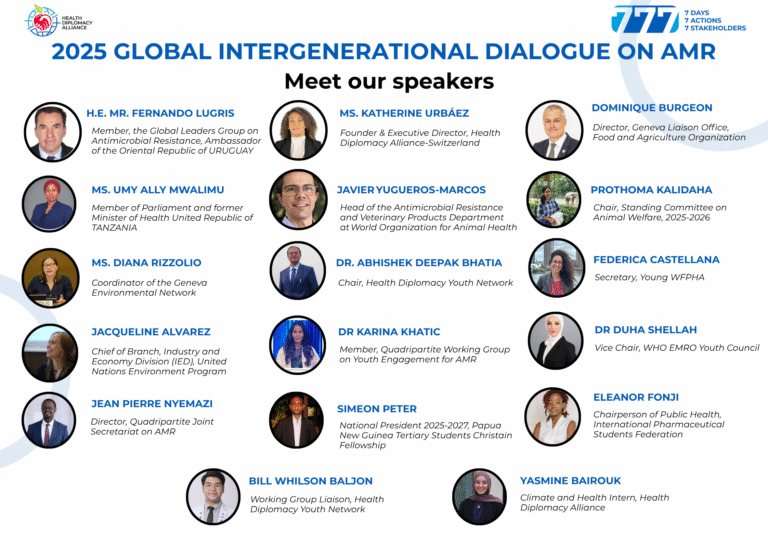
    As a conclusion to WAAW 2025, the 2025 Global Intergenerational Dialogue on AMR took place on 24 November in collaboration with the Geneva Environment Network, underscoring the critical need for cross-sectoral collaboration to sustainably address AMR. 

    Pont -Du-Mont Blanc

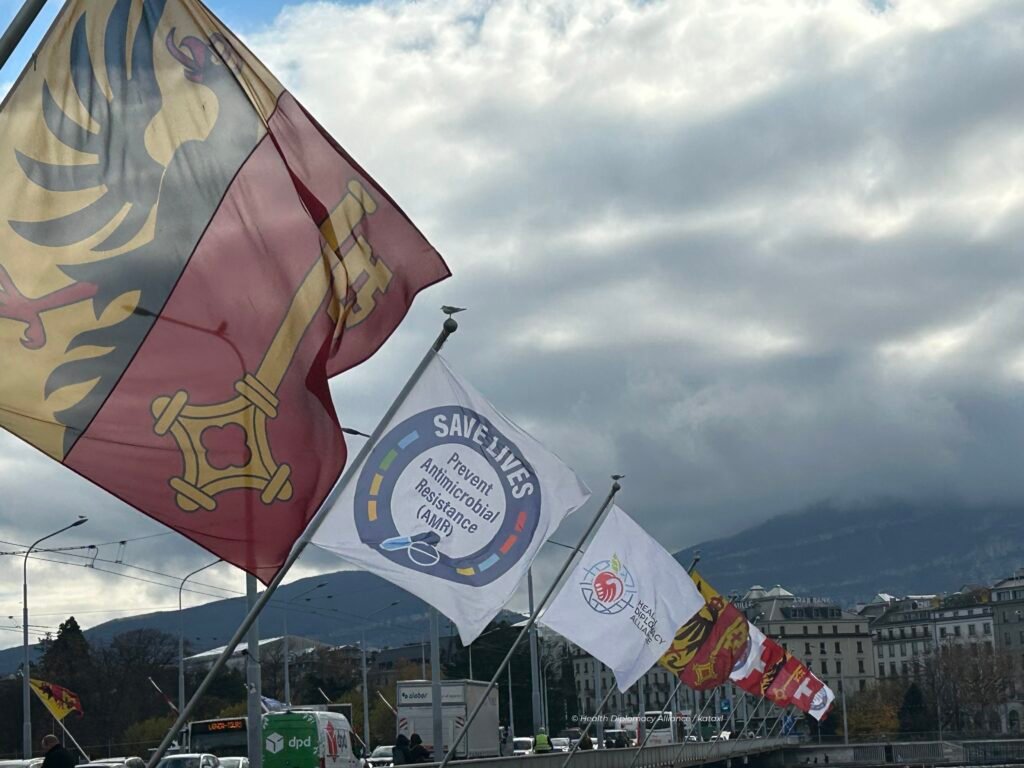
    One of the most noticeable aspects of our 777 campaign was the deployment of the Alliance’s and the AMR campaign’s flags during November 17–19, 2025.

    On average, 55,000 cars, 14,500 pedestrians, and 6,500 cyclists pass through the Pont du Mont Blanc each day.

    This exceptionally high circulation, which included pedestrian traffic, private automobiles, public transportation, and active mobility users, made it the perfect setting for educating the Canton of Geneva’s citizens and passersby about AMR.

    Thousands of extremely diverse and energetic travelers saw the flags throughout the course of the three days, raising awareness of AMR and highlighting the importance of health diplomacy in public spaces.

    Train Station Booth

    A full-day AMR awareness stand at Gare Cornavin, the largest and busiest train station in Geneva, with more than 170,000 passengers passing through daily. Our objective was to engage directly with the people and raise awareness about antimicrobial resistance in an accessible way.  

    The stand featured: 

    • A large projection screen showing educational and informative content produced by us and the organizations that joined our 777 campaign
    • Distribution of educational and informative materials, including flyers, infographics, and factsheets.
    • An interview corner for short recordings with passersby and partners. 


     Throughout the day: 

    • We interacted with individuals of all ages in multiple languages to make our outreach inclusive (English, French, Spanish, Portuguese)
    • Many visitors learned about AMR for the first time 

    Social Media Campaign

    Over 7 days, we convened a social media campaign across our platforms to highlight 7 key actions from 7 stakeholder groups to reduce the global AMR burden.

    The actions included Infection Prevention and Control, Water Sanitation and Hygiene, stewardship, surveillance, innovation, R&D, manufacture, equitable access, One Health approach, evidence-based policy, financing, and health diplomacy.  

    The 7 stakeholder groups represented a whole-of-society approach to curbing the global health threat and included AMR Survivors, Health workers, Governments and Policy Makers, Civil society, philanthropy, academia, International Organizations, Private Sector, Media.

    The content spanned languages such as Maltese, English, Spanish, French, Hindi, Portuguese, Italian, and Malayalam

    The social media outreach from over 20 global organizations who participated in the campaign totalled 15,231 impressions, likes, reactions, and reposts.

    Jet d’Eau Ilumination


    The illumination of the Jet d’Eau in blue on 23 November was one of the key activities carried out as part of our 777 campaign.

    Lighting of the Jet d’Eau supports awareness of key issues, humanitarian emergencies, or highlights events organized in international Geneva. For WAAW2025, the Jet adorned itself in brilliant blue to illuminate the AMR challenge at the heart of the harbor.  

    This symbolic icon of the city of Geneva, lighting it in blue, raised visibility, strengthened public awareness, and encouraged collective action in support of the campaign’s goals to reduce the global burden on AMR. 


    2025 Intergenerational Dialogue on AMR


    Co-hosted by the Health Diplomacy Alliance and Geneva Environment Network, the 2025 Global Intergenerational Dialogue on AMR brought together speakers from Quadripartite and Youth led organizations and built on global momentum, amplified youth perspectives through dedicated surveys, fostered inter-generational exchanges of cross sectoral and cross regional success stories and highlighted actionable recommendations to embed inclusive One Health approach in global AMR governance. 

  • Geneva Environment Network’s 25th Anniversary Celebration – Advancing the One Health Approach

    Geneva Environment Network’s 25th Anniversary Celebration – Advancing the One Health Approach


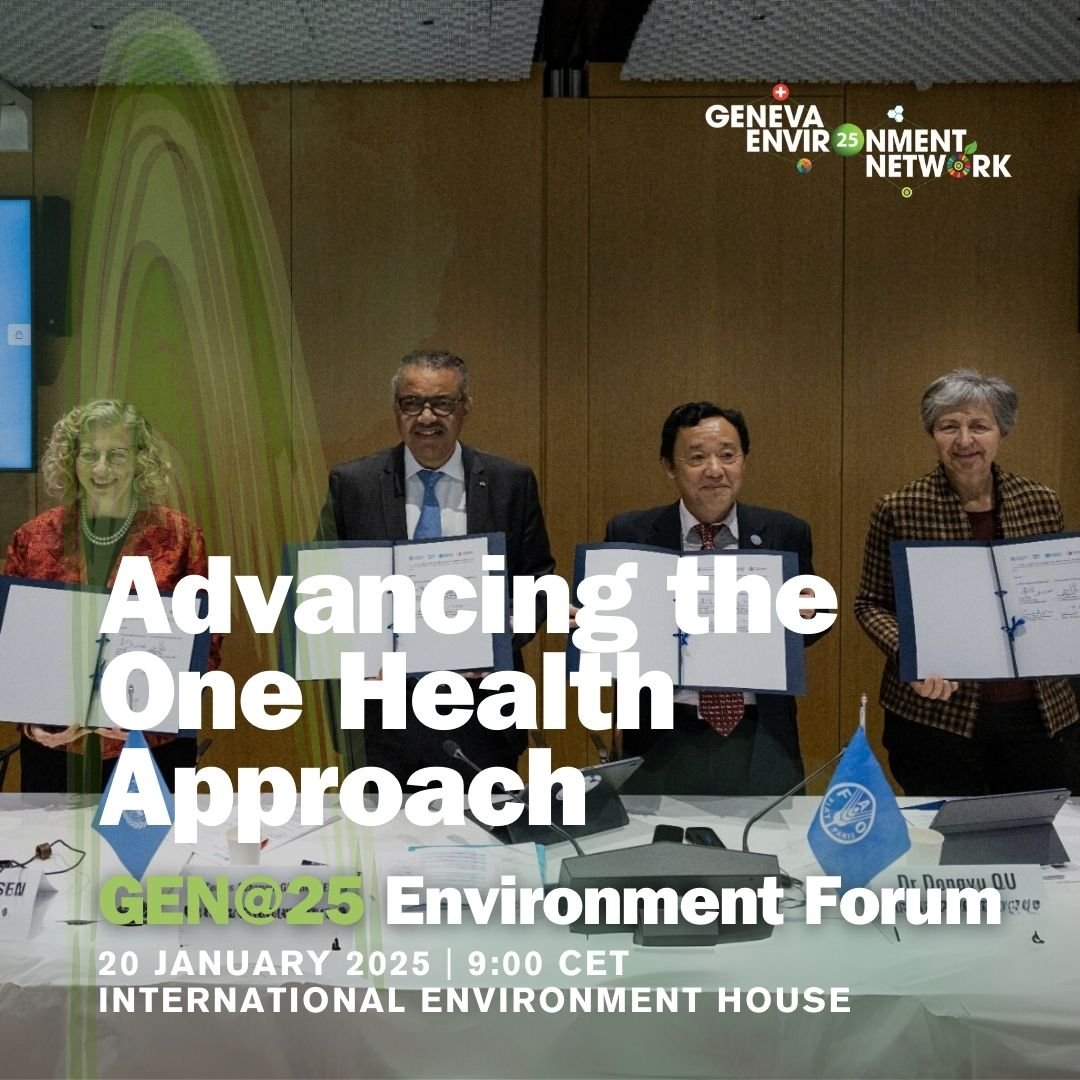
    We join the Geneva Environment Network’s High-Level 25th  Anniversary celebration on January 20, 2025, at the International Environment House in Geneva, coordinating the cluster on “Advancing the One Health Approach” to highlight the impact of multilateralism and international Geneva.

    The One Health approach recognizes the interconnection between human, animal, and environmental health, making it indispensable for addressing global challenges. From zoonotic diseases and food security to antimicrobial resistance (AMR), pollution, and climate change, One Health is a unifying framework for tackling our world’s most pressing issues.

    The Role of the Geneva Environment Network

    The Geneva Environment Network plays a vital role in addressing the environmental drivers of health crises and advancing One Health principles. Its work highlights how climate change, pollution mitigation, and biodiversity loss influence global health and demonstrates innovative strategies for addressing these challenges.

    These efforts align with the work of Quadripartite collaboration between WHO, WOAH, FAO, and UNEP, demonstrating the importance of collective action across health, agriculture, and environmental sectors.

    Strengthening Multilateralism and Health Diplomacy

    In International Geneva, multilateralism is key to the success of the One Health approach. Platforms like GEN have fostered collaboration among diverse stakeholders, bridging sectors and regions to find global solutions. Health diplomacy plays a critical role in:

    • Coordinating international efforts to address AMR, zoonotic diseases, and other One Health challenges.
    • Promoting integrative policies that link health and environmental sustainability.
    • Advancing sustainable development through evidence-based approaches.

    Our booth at the event will feature case studies and interactive exhibits to demonstrate the power of multilateral collaboration in achieving One Health goals.

    Join us at the Geneva Environment Network’s 25th Anniversary Celebration

    For more information, visit the GEN 25th Anniversary.

  • From Jeddah to Geneva | Multilateralism Addressing Antimicrobial Resistance

    From Jeddah to Geneva | Multilateralism Addressing Antimicrobial Resistance

    This event is organized within the framework of the 2024 World Antimicrobial Resistance Awareness Week (WAAW) – a global campaign to raise awareness and understanding of Antimicrobial Resistance (AMR) and promote best practices among One Health stakeholders to reduce the emergence and spread of drug-resistant infections.

    About this Session

    Antimicrobial resistance is a critical and growing threat to human, and animal health, food security, environment, and development. AMR has been directly linked to 1.27 million global deaths and has contributed to 4.95 million deaths.

    During the last 79th United Nations General Assembly, 26 September, as part of the high-level week it was adopted a High-Level Political Declaration on AMR where the urgent need for global action against AMR, including the global target to reduce the misuse of antimicrobial and sustainable financial and innovation to combat AMR globally.

    As part of the ongoing efforts the Fourth Ministerial Conference on Antimicrobial Resistance will be hosted by the Kingdom of Saudi Arabia on 15-16 November in Jeddah, under the theme “From Declaration to Implementation – Accelerating Actions Through Multisectoral Partnerships for the Containment of AMR”. The conference, bringing together leaders to address urgent issues in preventing and managing AMR on a global scale, will be preceded by a side event day for non-state actors on 14 November.

    This event, organized as part of the World Antimicrobial Resistance Awareness Week (WAAW) from 18 to 24 November, will serve as a strategic gathering to advance commitments and build on the 4th Ministerial Conference and the work on AMR from international organizations and partners in Geneva International to accelerate the commitments on AMR, foster collaboration between the Quadripartite AMR organizations, UNEP, WHO, FAO, WOAH, the private sector, academia, and civil society to promote the integrated One Heath approach and evaluate the next steps and commitments that result from the meeting in Jeddah.


    Speakers

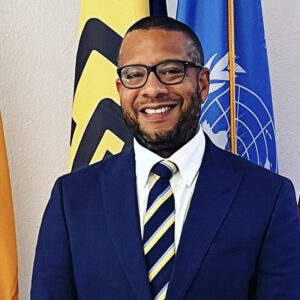
    H.E. Amb. Matthew WILSON

    Permanent Representative of Barbados to the United Nations Office and other international organizations in Geneva

    Jacqueline ALVAREZ

    Chief, Chemicals and Health Branch, UN Environment Programme

    Jean Pierre NYEMAZI

    Director a.i., Global Coordination and Partnership Department, AMR Division, World Health Organization

    Dominique BURGEON

    Director, Geneva Liaison Office, Food and Agriculture Organization

    Javier YUGUEROS-MARCOS

    Head of the Antimicrobial Resistance and Veterinary Products Department, World Organisation for Animal Health

    Judith MOORE

    Head, Access & Outcomes, Centre for Health and Healthcare, World Economic Forum

    Luka ŠROT

    Associate Director, Health Security, International Federation of Pharmaceutical Manufacturers and Associations

    Katherine URBAÉZ

    Founder and Executive Director, Health Diplomacy Alliance

    Wondwosen ASNAKE KIBRET

    Policy and Partnerships Coordinator, Europe Office, UN Environment Programme | Moderator

    Read more: Jeddah to Geneva

    Watch the recording: VIDEO