Tag: gender

  • International Day of Women in Diplomacy 2026

    International Day of Women in Diplomacy 2026

    On the International Day of Women in Diplomacy, we celebrate the women whose leadership, expertise, and commitment continue to shape global cooperation, peace, and health.

    Women have always played a vital role in diplomacy, yet representation gaps remain. As of 2024, women accounted for just 21% of Permanent Representatives to the United Nations (Source: UN), and between 1992 and 2019, women made up only 13% of negotiators in major peace processes worldwide (Source: Council on Foreign Relations (CFR)). Despite these challenges, women diplomats continue to drive change, build bridges, and strengthen multilateral action.

    We recognize that more inclusive diplomacy leads to stronger institutions, better decisions, and more effective responses to global challenges. As we mark this day, we celebrate the women whose voices, leadership, and vision are helping shape the future of global health and international cooperation.

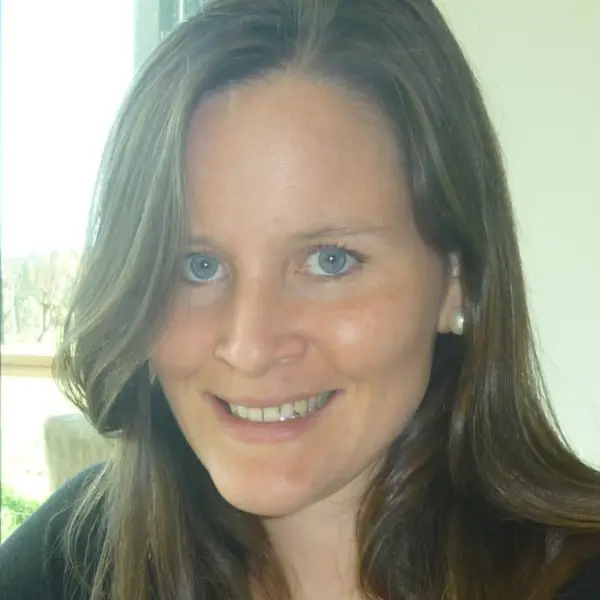
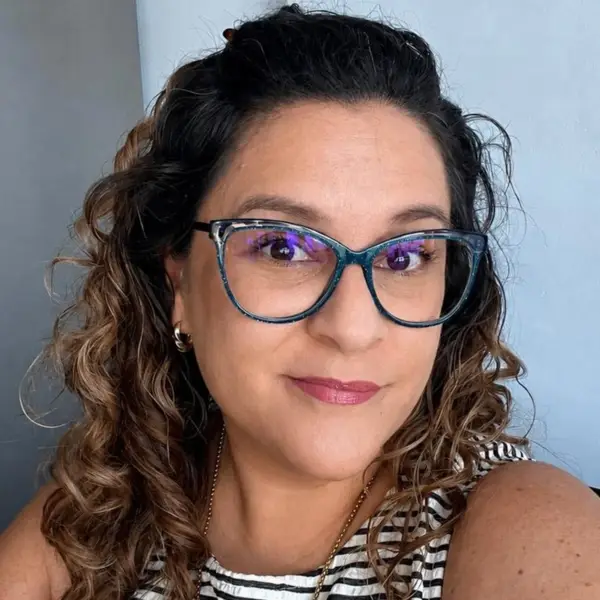
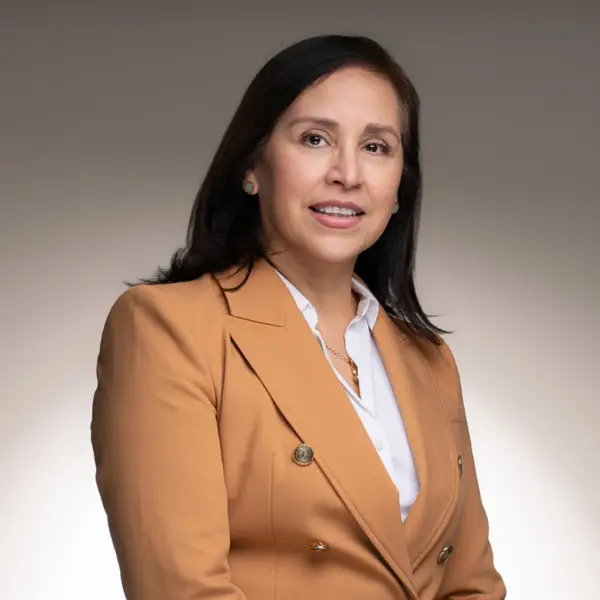
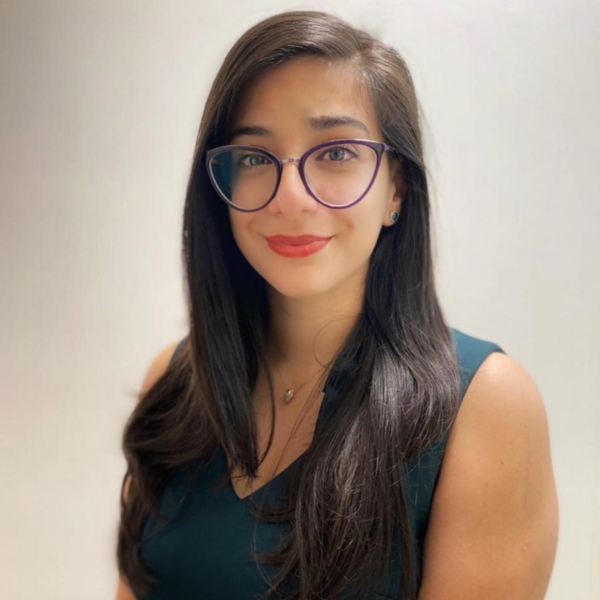
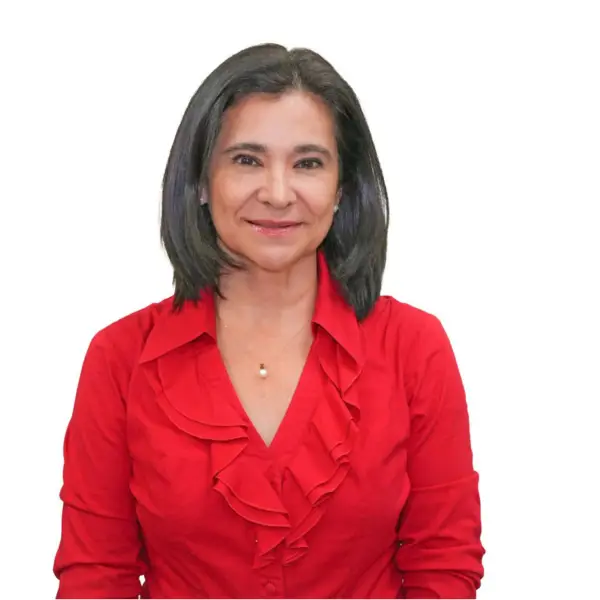
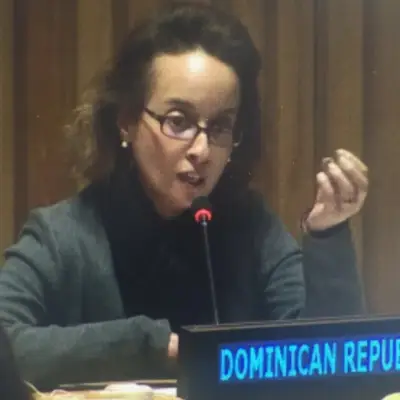
    Today, we take the opportunity to feature the reflections from inspiring women in diplomacy whose words remind us of the power of representation, collaboration, and leadership:

    Do you see women becoming more vocal and more present in the negotiations and current major discussions in global health ?

    What has brought you this far in international relations ?

  • GWL Voices Spotlight on Women in Global Health Leadership 2025

    GWL Voices Spotlight on Women in Global Health Leadership 2025

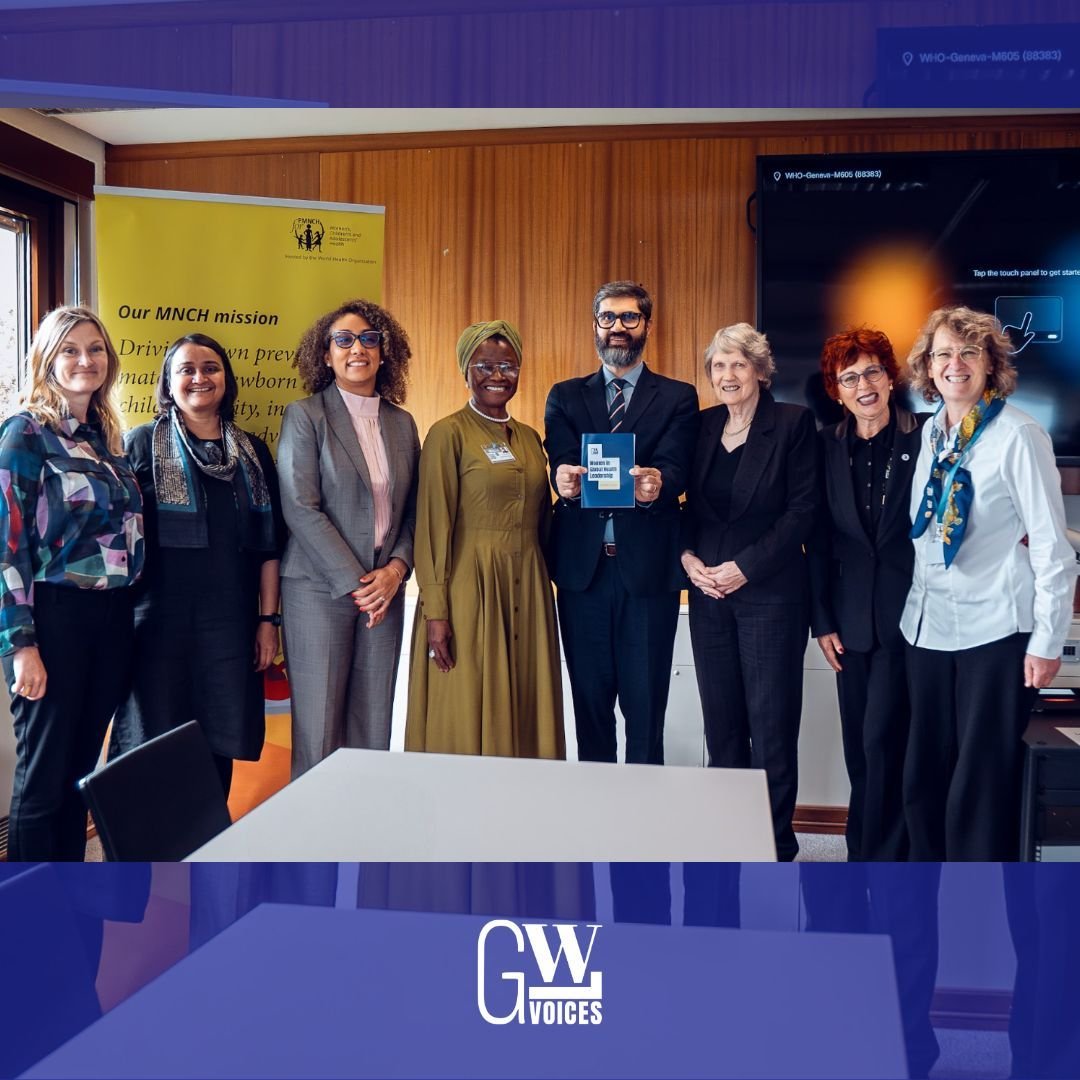
    GWL Voices hosted a WHA 78 Side Event highlighting the findings of their Spotlight on Women in Global Health Leadership report and focusing on the continued barriers to advancing women’s leadership in global health. It was a productive conversation where leaders from GWL Voices, government, multilateral organisations, and NGOs discussed potential solutions and the way forward for increasing women’s access to leadership roles at the subnational, federal, and international levels.

    Over the past few decades, the number of women in global health leadership positions has increased, but the progress being made is still too slow and fragile. The four organisations assessed in the GWL Voices report – the WHO, World Bank, Global Fund, and Gavi – were found to have long-term commitments to gender parity in recruitment and staffing at all levels. However, gender representation in many parts of these organisations remains unequal. Additionally, at both the global and national scales, organisations and governments are facing budget gaps, which have historically been addressed by backtracking on hard-won women’s rights. Within women’s leadership, there is an even more dire need for advancing diversity in women’s leadership; for instance, the report found that women of colour, particularly from the Global South, face the compounded barriers of racism, tokenism, and limited access to informal networks.

    The panel, hosted by GWL Voices, opened with introductory remarks from Katherine Urbáez, Executive Director of the Health Diplomacy Alliance. Urbáez spoke of the operational roadblocks still present when trying to elevate women leaders. She also shared the benefits that stem from advancing women’s leadership, which include the development of more inclusive policies, resilient health systems and solutions-oriented approaches. Urbáez also stated that, “representation in leadership roles matters. When women are seen in leadership, it opens the door for others and helps dismantle long-standing barriers.

    Following this overview was a panel discussion moderated by Ms. Joy Phumaphi, Executive Secretary of the African Leaders Malaria Alliance (ALMA), who spoke of the hiring and promotion issues faced by women trying to advance into global health leadership positions. She also highlighted Botswana as a country struggling with women’s representation in its National Assembly, where women make up only 8.7% of the members. To address these issues, she emphasised the need to continue the push to have women on long and short lists during hiring processes for leadership positions, as well as to include women on interviewing panels.

    Moving on to the panel participants, The Honourable Helen Clark, GWL Voices co-founder and member, as well as former Prime Minister of New Zealand, shared harrowing statistics – for example, only 7% of all permanent representatives to the United Nations have been women. She also emphasised the necessity of more senior women using their positions to push the United Nations to continue its critical work in advancing women’s rights and leadership.

    Dr. Flavia Bustreo, GWL Voices member, presented the findings of the spotlight, including the multifaceted societal benefits that occur with increased women’s leadership, such as improved financial performance, innovation, organisational culture and climate, and health. She also explored organisation-specific shortcomings, such as the WHO having a female Director-General only twice in its 77 years of existence, although women are overrepresented in the lower, general service category. At the World Bank, the share of women in senior management is 40%. None of the boards studied has reached 50% female composition, as women account for 30% of the WHO Executive Board members, 46% of Gavi, and 32% of the Global Fund Board.

    Continuing the panel, Dr. Rajat Khosla, Executive Director of the Partnership for Maternal, Newborn and Child Health (PMNCH), spoke of the detrimental interplay between misogyny, sexism, and the patriarchy that persists across many global health organisations. There is power and privilege in these leadership roles, as he explained, and the global health community is lacking the diversity of women in leadership roles. Dr. Khosla also emphasised the importance of promoting women in STEM to help achieve women’s leadership.

    The panel concluded with Dr. Revati Phalkey, U.N. University Institute for Global Health Director, calling for a transition away from tokenistic and symbolic women’s leadership, especially of women of colour, who face compounded barriers. She also explained the benefit of leveraging male allies for advocacy efforts, emphasising the need for greater transparency within organisations. Dr. Phalkey also stressed the need for bottom-up solutions to internalise and institutionalise women’s leadership.

    Overall, by clarifying the roadblocks and proposing tangible solutions for increased women’s leadership in global health, the conversation combined data with lived experiences to foster an environment for discussing potential solutions, including the importance of mentorship, networking, and policy changes. Our Alliance is committed to advancing women’s leadership in global health through advocating for systematic policy change, as well as increased mentorship and networking opportunities. This event, by outlining the struggles still facing women pursuing leadership roles and proposing potential solutions, aligns with our approach to support policy advocacy for change and our priority to empower the next generation of leaders.

    Key Takeaways:
    • Ensuring representation of women in leadership leads to improved outcomes in areas such as health, organisational culture, innovation, financial performance, and other women’s careers and aspirations
    • Current national and international policies need to be designed to ensure gender parity in all aspects of the governance of health institutions and political representation
    • We must transform the organisational, societal, and individual mindsets to ensure gender equity in health leadership
    • Partnerships and collaboration are key to elevating women in global health leadership
  • Women in Diplomacy

    Women in Diplomacy

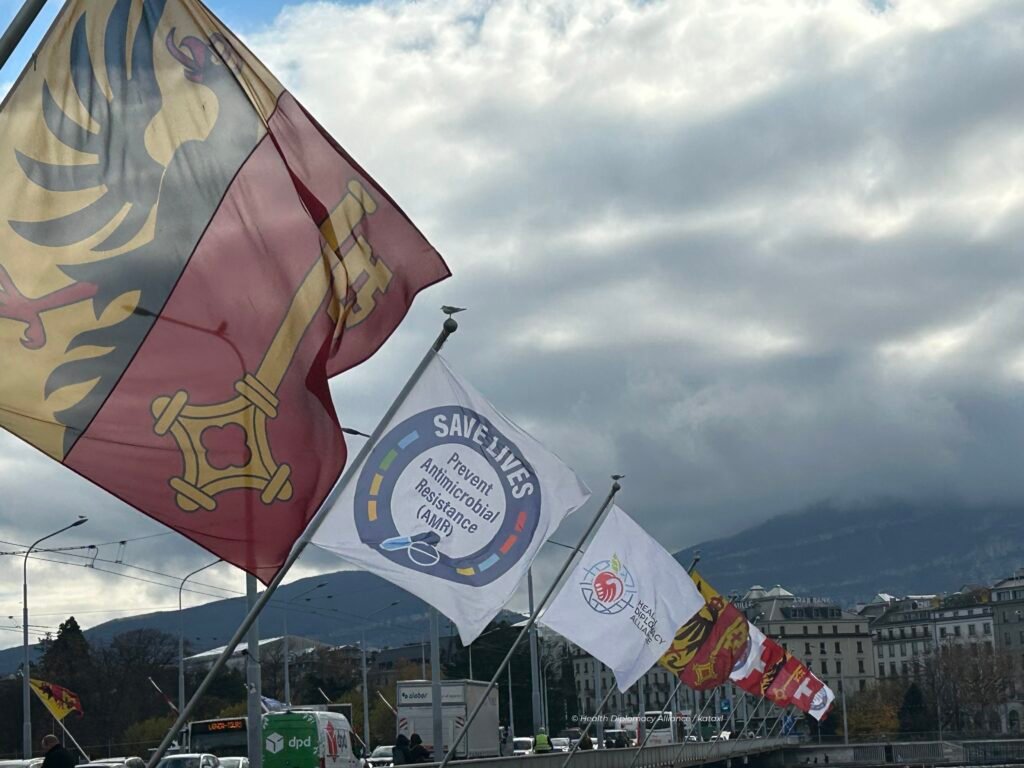
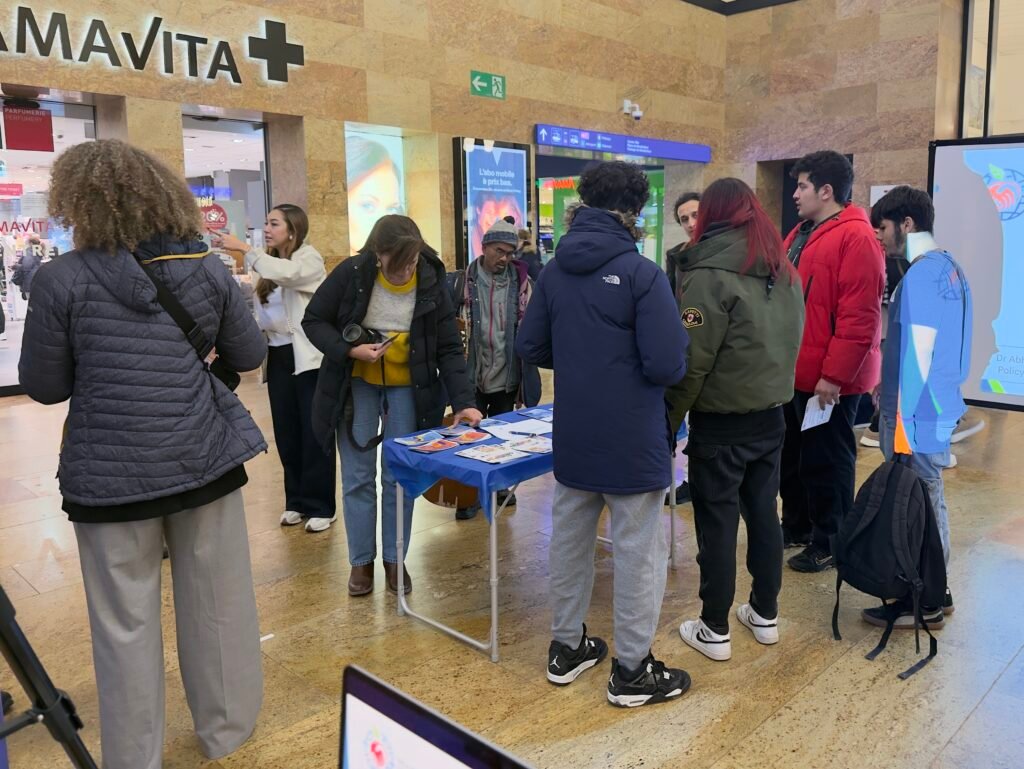
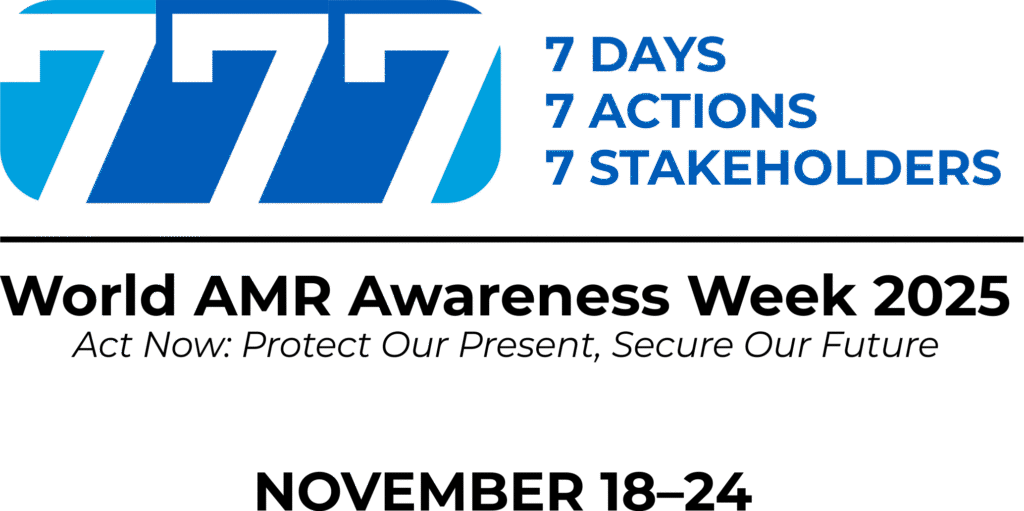
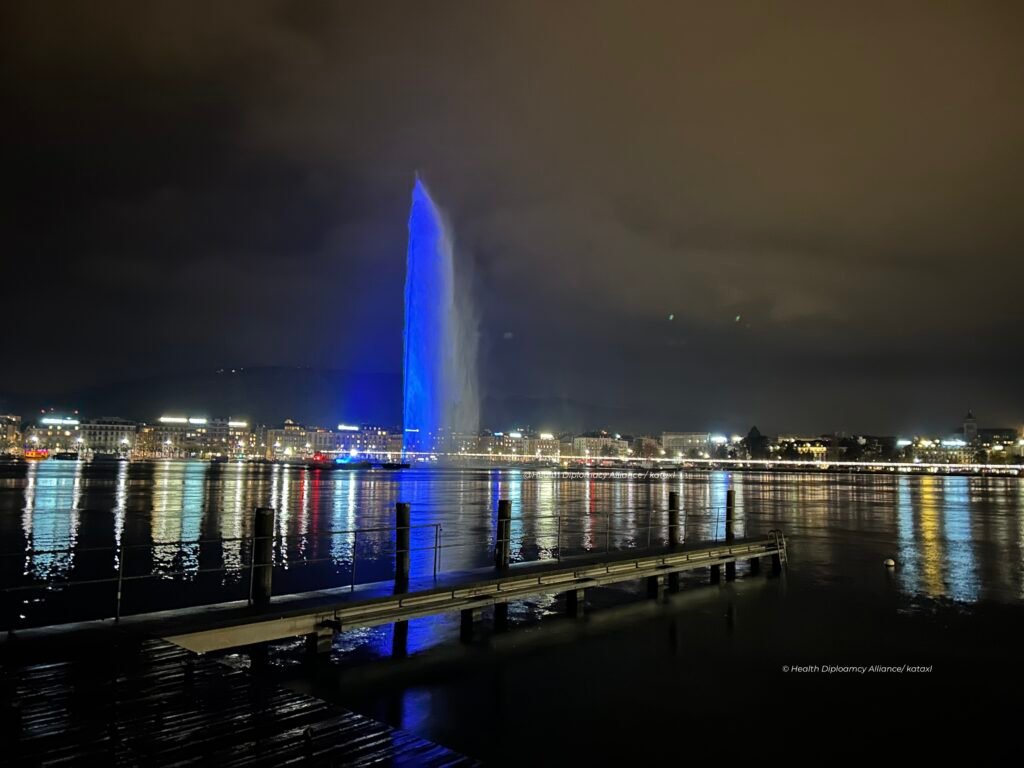
    The 7-7-7 Campaign, was our flagship initiative for our World Antimicrobial Resistance Awareness Week (18–24 November 2025), engaging during 7 days, 7 actions and 7 group of stakeholders. Key events included flag displays on Pont du Mont-Blanc from 17 to 19 November, an awareness booth at Geneva Cornavin Main Train Station on 18 November, and the blue illumination of Geneva’s Jet d’Eau on 23 November. 

    Throughout the week, an online social media campaign ran with partners from various sectors and participants who amplified the campaign’s reach and highlighted their work related to AMR. 

    As a conclusion to WAAW 2025, the 2025 Global Intergenerational Dialogue on AMR took place on 24 November in collaboration with the Geneva Environment Network, underscoring the critical need for cross-sectoral collaboration to sustainably address AMR. 

    Pont -Du-Mont Blanc

    One of the most noticeable aspects of our 777 campaign was the deployment of the Alliance’s and the AMR campaign’s flags during November 17–19, 2025.

    On average, 55,000 cars, 14,500 pedestrians, and 6,500 cyclists pass through the Pont du Mont Blanc each day.

    This exceptionally high circulation, which included pedestrian traffic, private automobiles, public transportation, and active mobility users, made it the perfect setting for educating the Canton of Geneva’s citizens and passersby about AMR.

    Thousands of extremely diverse and energetic travelers saw the flags throughout the course of the three days, raising awareness of AMR and highlighting the importance of health diplomacy in public spaces.

    Train Station Booth

    A full-day AMR awareness stand at Gare Cornavin, the largest and busiest train station in Geneva, with more than 170,000 passengers passing through daily. Our objective was to engage directly with the people and raise awareness about antimicrobial resistance in an accessible way.  

    The stand featured: 

    • A large projection screen showing educational and informative content produced by us and the organizations that joined our 777 campaign
    • Distribution of educational and informative materials, including flyers, infographics, and factsheets.
    • An interview corner for short recordings with passersby and partners. 


     Throughout the day: 

    • We interacted with individuals of all ages in multiple languages to make our outreach inclusive (English, French, Spanish, Portuguese)
    • Many visitors learned about AMR for the first time 

    Social Media Campaign

    Over 7 days, we convened a social media campaign across our platforms to highlight 7 key actions from 7 stakeholder groups to reduce the global AMR burden.

    The actions included Infection Prevention and Control, Water Sanitation and Hygiene, stewardship, surveillance, innovation, R&D, manufacture, equitable access, One Health approach, evidence-based policy, financing, and health diplomacy.  

    The 7 stakeholder groups represented a whole-of-society approach to curbing the global health threat and included AMR Survivors, Health workers, Governments and Policy Makers, Civil society, philanthropy, academia, International Organizations, Private Sector, Media.

    The content spanned languages such as Maltese, English, Spanish, French, Hindi, Portuguese, Italian, and Malayalam

    The social media outreach from over 20 global organizations who participated in the campaign totalled 15,231 impressions, likes, reactions, and reposts.

    Jet d’Eau Ilumination


    The illumination of the Jet d’Eau in blue on 23 November was one of the key activities carried out as part of our 777 campaign.

    Lighting of the Jet d’Eau supports awareness of key issues, humanitarian emergencies, or highlights events organized in international Geneva. For WAAW2025, the Jet adorned itself in brilliant blue to illuminate the AMR challenge at the heart of the harbor.  

    This symbolic icon of the city of Geneva, lighting it in blue, raised visibility, strengthened public awareness, and encouraged collective action in support of the campaign’s goals to reduce the global burden on AMR. 


    2025 Intergenerational Dialogue on AMR


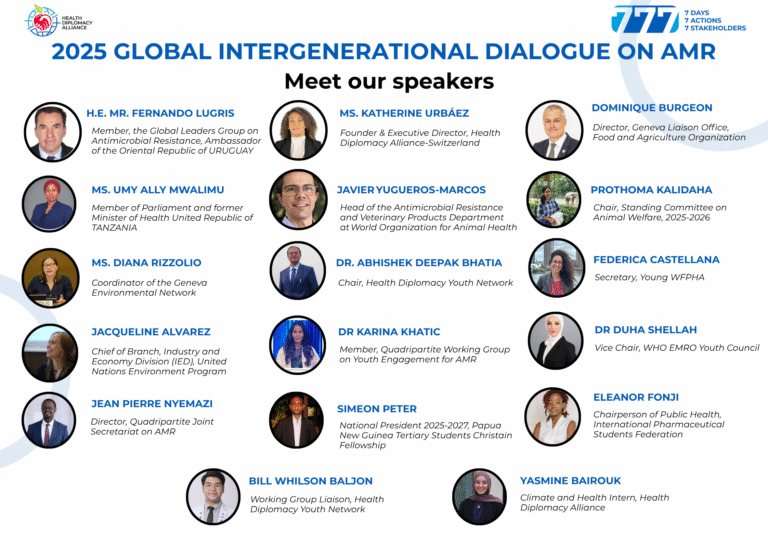
    Co-hosted by the Health Diplomacy Alliance and Geneva Environment Network, the 2025 Global Intergenerational Dialogue on AMR brought together speakers from Quadripartite and Youth led organizations and built on global momentum, amplified youth perspectives through dedicated surveys, fostered inter-generational exchanges of cross sectoral and cross regional success stories and highlighted actionable recommendations to embed inclusive One Health approach in global AMR governance.