Tag: one health

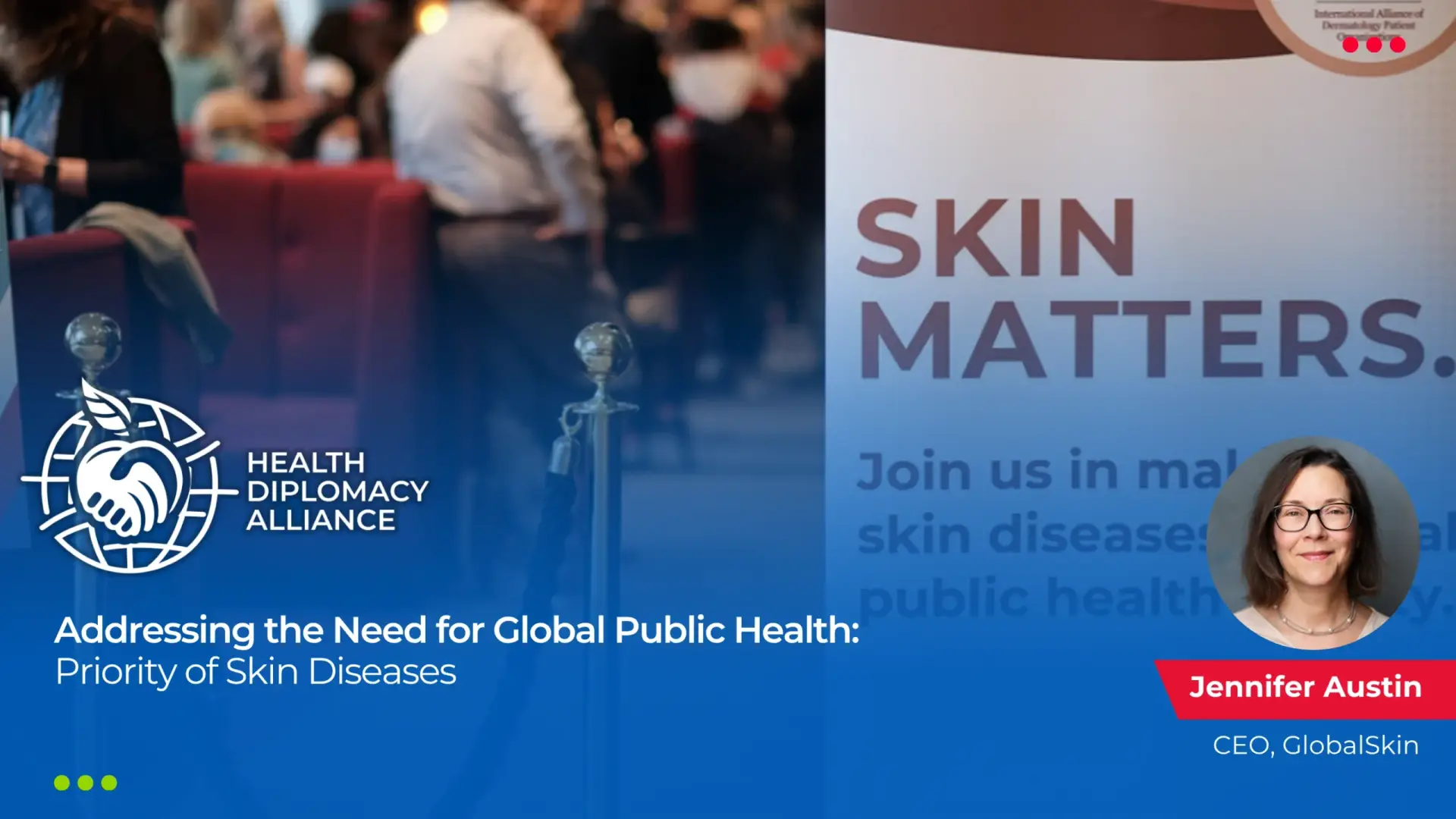
  • Addressing the Need for Global Public Health Priority of Skin Diseases

    Addressing the Need for Global Public Health Priority of Skin Diseases

    Côte d’Ivoire, together with Nigeria, Togo, Micronesia, China, Colombia and Egypt, is leading an initiative to position skin diseases firmly on the global public health agenda by proposing a World Health Assembly Resolution on “Skin diseases as a global public health priority”. 

    Stimulated by the Universal Health Coverage framework (SDG indicator 3.8.1), a coalition of civil society organisations, including patient groups, healthcare professionals, academia, and philanthropists, has been advocating to reduce the burden of skin diseases globally. These groups are: International Alliance of Dermatology Patient Organisations (GlobalSkin), International League of Dermatological Societies (ILDS), International Foundation for Dermatology, Health Diplomacy Alliance, Anesvad Foundation, Geneva University Hospitals, Neglected Tropical Disease NGO Network, Skin Cross-Cutting Group, World Skin Health Coalition.  [Add photo of logos] 

    Impacting an estimated 2 billion people globally, skin diseases and wounds affect individuals of all ages and are one of the most common reasons for seeking medical help. Yet, they remain disproportionately neglected in national and global health priorities.  Despite their widespread impact, skin diseases are often not prioritised due to their primarily non-fatal nature, resulting in serious health and economic consequences.

    The effects of skin conditions extend beyond physical suffering, including social stigma, mental health impacts, and lost productivity, exacerbating inequalities, particularly in low- and middle-income countries. 

    Skin diseases are increasingly influenced and exacerbated by climate change, affecting the most vulnerable in society.

    Previous initiatives at this level have targeted individual conditions. It is now time to combine these efforts. An integrated strategy will improve health outcomes, access to care, and treatment, particularly for vulnerable populations.
     

    WHO 156th Executive Board – Skin Diseases as a Global Health Priority 

    The 156th Executive Board meeting of the World Health Organisation was held February 3-11, 2025, in Geneva. Deliberations on skin diseases took place on February 5 & 7, highlighting the growing recognition of skin diseases as a global health priority. 

    On February 10, 2025, the 156th WHO Executive Board recommended that theWHA Skin Diseases Resolution proceed for adoption at the 78th World Health Assembly in May 2025.
     

    What will a WHA Resolution on Skin Diseases Achieve? 

    The Skin Diseases Resolution is focused on all skin diseases , including allergies, inflammatory diseases, autoimmune diseases, genetic diseases, vascular diseases, cancers, infections (viral, bacterial and fungal) and rare autoinflammatory diseases. It prioritisesthe perspectives of patients and their caregivers in all aspects of planning and implementation.  

    Key aspects of the Resolution:  

    • Development of a Global Action Plan to establish a framework for addressing skin diseases globally, focusing on prevention, early detection, effective treatment, and long-term care, with specific targets. 
    • Calls for dedicated health investment to expand expertise through training, particularly among primary health care workers, enabling timely diagnosis and effective support for those living with skin diseases. 
    • Supports the expansion of research, surveillance and data collection to provide innovative diagnostic tools and new treatments. 
    • Promotes equitable access to cost-effective, affordable and high-quality treatment 
    • Supports integrated services for skin diseases into current disability, rehabilitation and mental health policies 


    More Support is Needed! 

    Resources have been developed to support civil society in effectively advocating for the adoption of the draft Resolution on Skin Diseases at the 78th World Health Assembly in May 2025. 

    Leading up to and onsite at the WHA78, this campaign seeks to galvanise international support for a Resolution that would drive investment in resources, research, and healthcare interventions. 

    The core campaign objective is to raise awareness about the Skin Diseases Resolution and garner support from Member States to advance this important cause. Support the Campaign. 


    Side-Event during WHA78 

    A high-level event will be held during the week of the 78th World Health Assembly, Tuesday, May 20, 2025, at 18:00 – 20:00. Registration link 

    This critical in-person discussion will centre around the groundbreaking resolution, Skin Diseases as a Global Health Priority”. Traditionally overlooked due to their non-fatal nature, skin diseases impact over 2 billion people worldwide, significantly affecting quality of life and economic productivity. This resolution, led by Côte d’Ivoire and co-sponsored by Colombia, China, Egypt, Micronesia, Nigeria, and Togo, marks a transformative shift in global health policy, advocating for an integrated, patient-centred response to skin health. 

    This event will explore how the proposed resolution: 

    Recognises the broad impact of skin diseases—beyond their medical symptoms, they impose substantial social, psychological, and financial burdens. The resolution promotes holistic care that addresses stigma, mental health, and patient well-being. 

    Strengthens primary healthcare systems by urging Member States to integrate skin care into routine healthcare services, enhance diagnostic capabilities, and invest in healthcare workforce training. 

    Mobilises resources and innovation—calling on governments, donors, and civil society to fund sustainable solutions, including digital diagnostics and teledermatology, to reach underserved communities. 

    Ensures sustained global action—encouraging ongoing dialogue, national action plans, and regular updates at the World Health Assembly to adapt to emerging challenges, including climate-related skin health concerns. 

    Conclusion

    Improving skin health globally requires integrated care models that include dermatological management, wound care, prevention of loss of function, and mental health support. Investments in training healthcare workers, particularly on the frontline, and research into social determinants of skin diseases are essential. Advocacy and funding should enhance research capacity, develop diagnostic tools and treatments, and expand skin health databases to optimise resource allocation and evaluate interventions. Addressing the impact of climate change on skin health through tailored research and healthcare provider training is also critical.  

    These efforts aim to achieve “Skin Health for All,” improving health outcomes and economic productivity by addressing the medical and socioeconomic impacts of skin diseases worldwide. 

    By working together, we can ensure the adoption of the Skin Diseases Resolution and prioritise skin health for all. 

    Acknowledgements: Much gratitude to Côte d’Ivoire and co-sponsors Colombia, China, Egypt, Micronesia, Nigeria, and Togo for their leadership in making skin health a public health priority.  

    The International Alliance of Dermatology Patient Organisations (also known as GlobalSkin) is a unique global alliance, committed to improving the lives of skin patients worldwide. We nurture relationships with members, partners and all involved in healthcare, building dialogue with decision-makers around the globe to promote patient-centred healthcare. GlobalSkin works to empower its more than320 patient association members ─ located in 74 countries, representing more than59 disease areas ─ to reach more patients and provide them with greater support, education, and advocacy. Globalskin.org 

    About the Author

    Jennifer joined the International Alliance of Dermatology Patient Organizations (GlobalSkin) as Executive Director in 2016 – one short year after the organization was founded – and became Chief Executive Officer in 2021. Jennifer has been a key architect in building the organization, including its vibrant and connected global community of dermatology patient organizations. 

    Jennifer Austin is a skilled strategist, seasoned leader and committed patient advocate with nearly 30 years of experience in communications, organizational growth, and stakeholder engagement. Her career has included senior leadership positions in Canada’s Parliament and several national NGOs.  

    She provides patient perspective input and strategic advice to a variety of bodies including the WHO’s Civil Society Commission, Patient-Focused Medicines Development (PFMD) Board of Directors, and International League of Dermatological Societies’ Patient Organisations Working Group.
  • THE AMR EQUATION: Where Innovation meets urgency –  Cross-Sectoral Collaboration for Preventing and Mitigating Antimicrobial Resistance

    THE AMR EQUATION: Where Innovation meets urgency – Cross-Sectoral Collaboration for Preventing and Mitigating Antimicrobial Resistance

    78th World Health Assembly 

    May 19, 2025. 12.00 – 14.00 CET 

    Antimicrobial Resistance (AMR) is a medical, social, and policy crisis driving up mortality from both infectious and noncommunicable diseases, intensifying inequality, hindering economic stability, and challenging climate resilience, particularly in low-resource settings. While progress in antimicrobial pipelines is important, tackling drug-resistant infections urgently requires integration across infectious disease prevention, treatment, chronic care, and environmental health system.

    In this context, as part of our Pillar of Work on One Health, and current efforts to elevate attention to the threat of AMR, we convened experts from the public and private sector, intergovernmental organizations, non-governmental organizations, and AMR survivors to share their work, experience, and inputs for sustainable solutions to the AMR crisis.

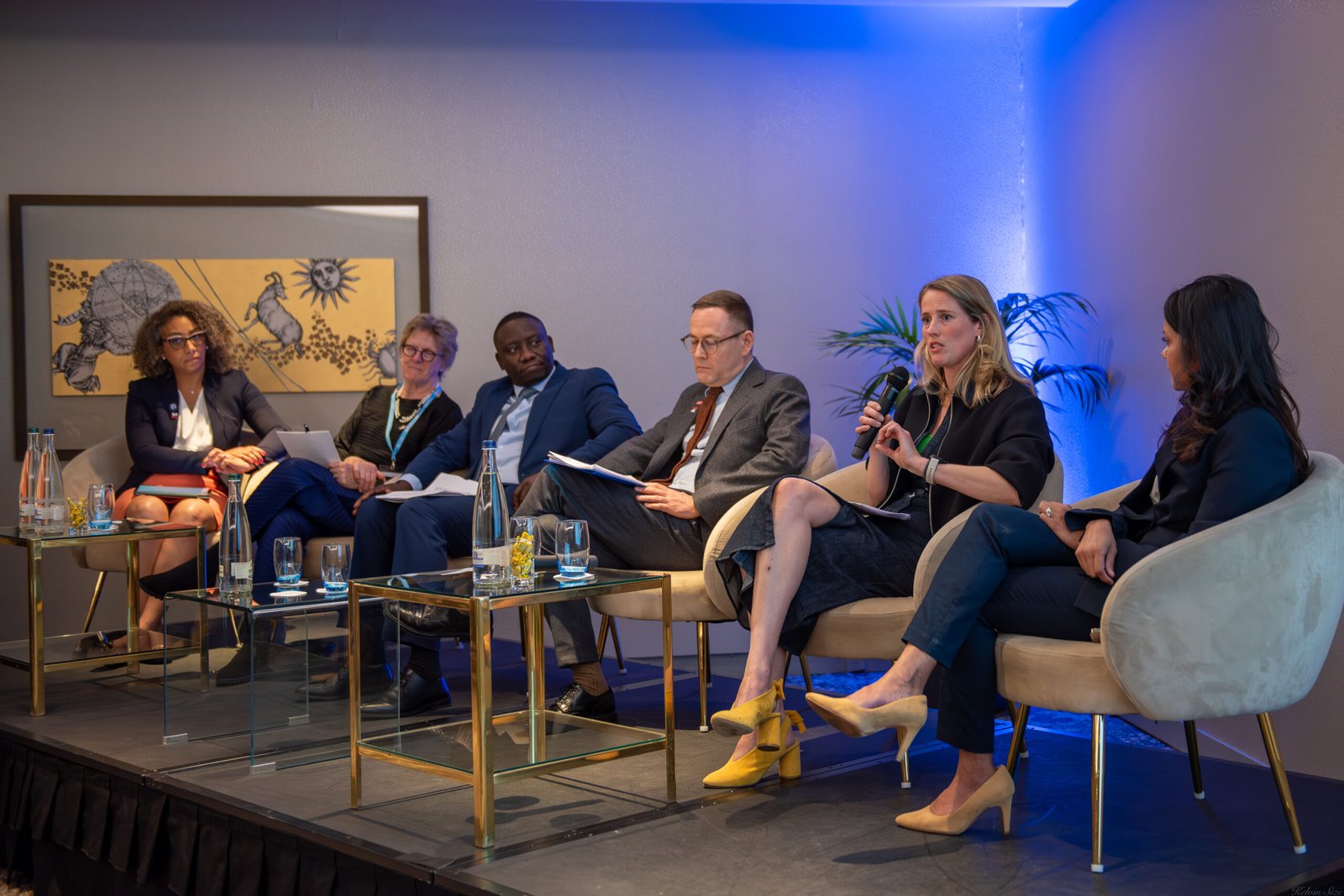
    The panel opened with introductory remarks from Katherine Urbáez, Executive Director of the Health Diplomacy Alliance, who also moderated the conversation. Urbáez set the stage for focusing on AMR prevention and mitigation by highlighting the need to explore global actions on AMR, the landscape of healthcare products, gaps in innovative prevention and diagnostics, and the push-and-pull incentives for sustainable financing mechanisms.

    This was followed by a panel discussion wherein Professor Dame Sally Davies, UK Special Envoy on AMR, highlighted the importance of the establishing an Independent Panel on Evidence for Action Against AMR. She stressed that an inclusive, representative, and One Health approach driven panel is key to inform evidence-based AMR prevention and mitigation policies, communicating an urgent need for ensuring sustainable funding mechanisms for their implementation.

    Providing a glimpse into the regional relevance of the global AMR dialogue, Dr Ntuli Kopologwe, Director General, The East, Central and Southern Africa Health Community, shared the significance of establishing and financing National Action Plans on AMR. He stressed that member states need support to develop surveillance capacity and infrastructure and emphasized the need for strengthening regional partnerships and collaboration centered on a One Health approach.

    Bringing the perspective on innovation in medical products, Eva Rennen, Member of the Board of BEAM Alliance and co-founder at Nostics, shared the role of AI in accelerating pace, improving efficiency, and reducing price of novel antibiotics and diagnostics. She discussed incremental versus transformative innovation, stating a need to conceptualize preventive technologies beyond Infection Prevention and Control and WASH, and consider the entire patient journey from a holistic perspective.

    In reference to the link of AMR with NCDs, Per Wahlstedt, Expert in Healthcare from Swedish Cancer Society, brought to the fore the relevance of curbing AMR towards improving clinical management of Non-Communicable Diseases. He highlighted that around 300,000 people globally are affected with skin cancer and that AMR is 1.25 times more common in cancer patients. He recommended that AMR stewardship at the hospital and healthcare level is critical for improving quality of care for cancer patients.

    Sadhavi Chauhan, Government Engagement and Policy Manager, Access to Medicine Foundation, advanced the conversation on R&D of medical products by complementing it with the perspective of access. She shared the core facets of the AMR Benchmark, a tool that guides responsible production and distribution of antimicrobials and the role of member states in improving access to AMR products by designing supportive policies, regulations and guidelines.

    Bringing the story of patients and survivors. Vanessa Carter, Chair, WHO Task Force of AMR Survivors and of Executive Director of the AMR Narrative, provided critical patient perspective to the conversation by sharing her lived experience with drug resistant infections. She stressed the importance of including patient, survivor, and caregiver voices in designing policies to address the burden of AMR, highlighting the key role of awareness, surveillance and financing centred on community partnerships and collaboration.

    Our Alliance is committed to leverage diplomacy to support member states and relevant stakeholders to advance action on AMR work and monitor progress on the commitments  agreed in the past High-Level Political Declaration on AMR and current global and regional initiatives. This event, by closely examining the determinants for AMR prevention and mitigation and calling for an urgent need to adopt integrated interdisciplinary evidence-based solutions, is a step within our objective to sustain global momentum to reduce the AMR burden.

  • The Human Variome Project: Global Coordination in Data Sharing

    The Human Variome Project: Global Coordination in Data Sharing


    This article outlines a global effort initiated in 2006 to standardize and share genetic data for clinical and research purposes, supported by international bodies such as UNESCO. It details the establishment of national hubs to ethically collect, curate, and disseminate genomic information, addressing infrastructure gaps and fostering regional collaboration through diplomacy. The initiative aims to advance healthcare equity and improve diagnostics through coordinated, cross-border cooperation by prioritizing capacity-building in underserved regions and harmonizing data practices.


    Download

  • Humanitarian Action in the Planetary Crisis

    Humanitarian Action in the Planetary Crisis


    This Policy Brief examines how the OneHealth approach can transform humanitarian action amid rising natural disasters, conflicts, and displacement in low-resource settings. 

    Developed collaboratively by leading academics and humanitarian experts, it offers four key recommendations and 28 actionable steps to enhance crisis response, disease prevention, and environmental sustainability. 

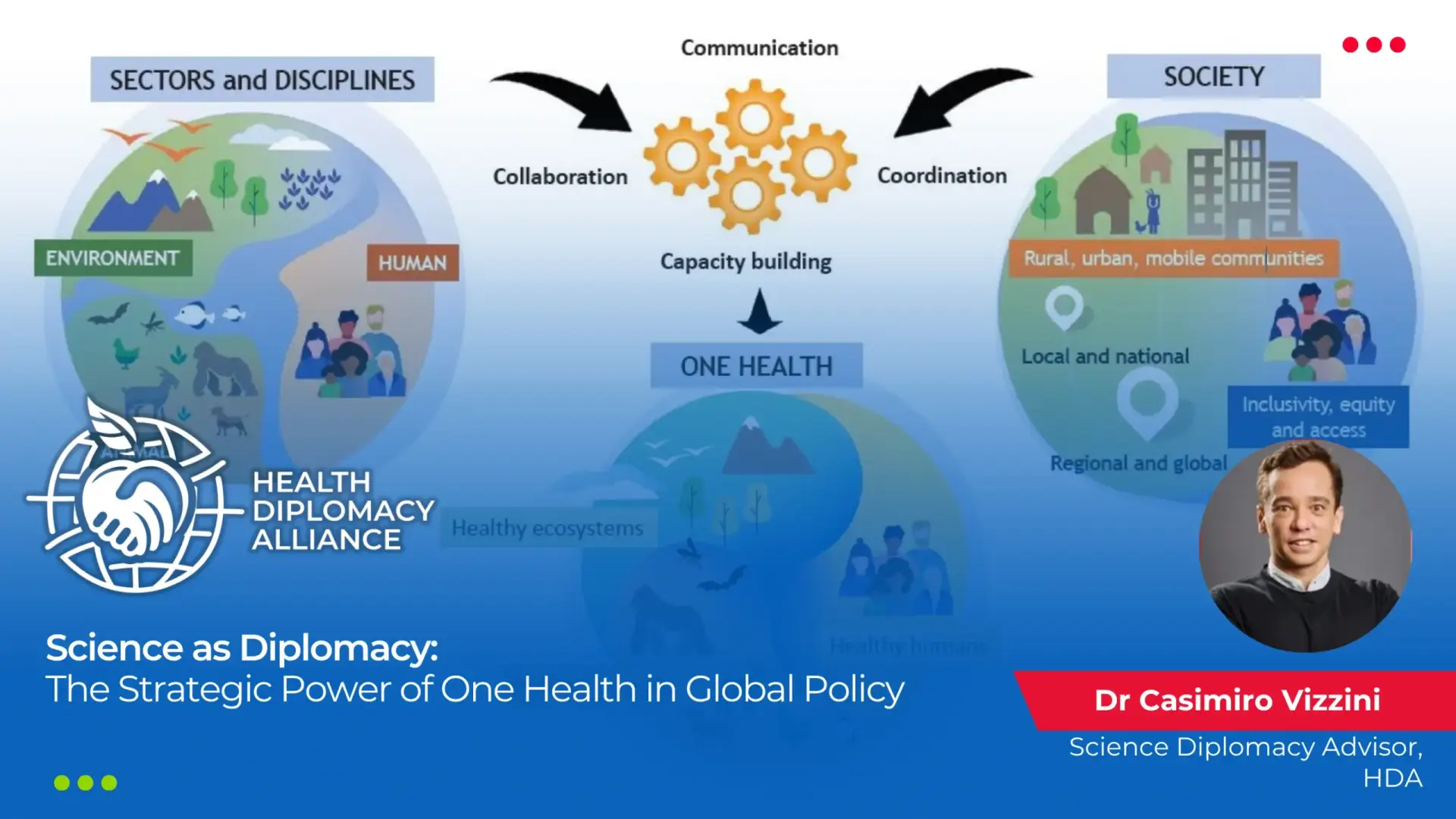
  • Science as Diplomacy: The Strategic Power of One Health in Global Policy

    Science as Diplomacy: The Strategic Power of One Health in Global Policy

    The One Health approach, which recognizes the interdependence of human, animal, and environmental health, is not only a matter of scientific collaboration but also a prime example of Science Diplomacy in action. Science Diplomacy goes beyond cooperation to engage science as a strategic diplomatic tool, capable of influencing global policies, easing geopolitical tensions, and fostering trust between nations with differing agendas. Through this lens, the One Health approach becomes a means of addressing complex and often contentious global challenges by leveraging scientific expertise in diplomatic negotiations, international treaties, and conflict resolution.

    The diplomatic role of science becomes evident in how scientific knowledge informs global health policies, mediates disputes, and fosters international trust. For instance, pandemic preparedness is not just about sharing research and data but also about aligning different national interests in a way that can prevent diplomatic rifts during crises. During the COVID-19 pandemic, for example, the distribution of vaccines, access to essential medicines, and the regulation of travel and trade became highly politicized. Scientific expertise, combined with diplomatic negotiation, helped to form frameworks like COVAX that sought to balance national interests with global health equity. This balance required science to be used as a diplomatic instrument, guiding international discussions toward a common understanding of the evidence and creating mutual agreements amidst political tension.

    Similarly, global efforts to combat antimicrobial resistance (AMR) highlight the diplomatic weight science carries in policy discussions. AMR is driven by practices in agriculture, healthcare, and environmental management that are influenced by economic interests, political priorities, and social norms in different countries. Here, science provides the common ground upon which diplomatic negotiations occur. Initiatives like the Global Action Plan on Antimicrobial Resistance, developed by WHO, FAO, and WOAH, were not just scientific collaborations but diplomatic triumphs—binding nations to a shared set of guidelines that balanced national sovereignty with the need for collective action. In this case, scientific evidence served as the backbone for treaty-making, where diplomatic negotiations turned scientific consensus into political commitments.

    The One Health approach to climate change and environmental degradation similarly exemplifies Science Diplomacy. Environmental health directly impacts national economies, food security, and public health, making it a politically charged issue. Here, science plays a diplomatic role by creating a neutral ground for dialogue between countries that may be at odds on other fronts. The Intergovernmental Panel on Climate Change (IPCC), for example, has been instrumental in shaping the Paris Agreement. Through scientific assessments of climate change’s impact on ecosystems, agriculture, and human health, the IPCC’s work serves as a diplomatic bridge, ensuring that all parties—despite conflicting political or economic interests—base their negotiations on shared scientific understanding. Science thus becomes a tool not just for cooperation but for diplomatic consensus-building, helping to mediate conflicts over resource management, carbon emissions, and environmental responsibility.

    In the context of wildlife conservation and zoonotic disease surveillance, Science Diplomacy plays a role in preemptive conflict resolution. Zoonotic diseases, such as Ebola and avian influenza, often emerge from regions with significant biodiversity and sometimes weak governance structures. The risk of diseases spilling over into human populations can become a source of diplomatic tension between neighboring nations or trading partners. Science can act as a diplomatic intermediary by offering objective, evidence-based assessments of the risks and by establishing internationally recognized protocols for disease surveillance. This allows nations to resolve potential conflicts diplomatically before they escalate, with organizations such as the Global Health Security Agenda (GHSA) providing platforms for scientific-diplomatic engagement. Rather than being a purely cooperative effort, this is a strategic use of science to negotiate boundaries, responsibilities, and shared risk.

    Food safety and food security provide further examples of the diplomatic role of science. Disputes over food standards, trade, and agricultural practices can create tension between nations, particularly when health and safety regulations differ. Science Diplomacy here is used to harmonize these standards while respecting national sovereignty, thus preventing potential trade wars or diplomatic standoffs. For example, the Codex Alimentarius Commission, a joint effort by WHO and FAO, plays a diplomatic role in mediating disagreements over food safety, using scientific evidence to broker consensus on what constitutes safe food practices. In this capacity, science is not just enabling cooperation but is driving diplomatic negotiation, ensuring that trade disputes do not escalate into larger geopolitical conflicts by grounding them in neutral, scientifically verifiable standards.

    In the broader context of environmental issues like biodiversity loss and pollution, science is used to establish common metrics for environmental impact assessments, which then feed into diplomatic negotiations for treaties like the Convention on Biological Diversity or the Montreal Protocol on substances that deplete the ozone layer. Science acts as a form of diplomatic currency in these discussions, allowing countries with divergent interests to engage in constructive dialogue based on mutually understood scientific principles. Diplomatic negotiations often hinge on the interpretation of scientific data, with science providing the means to translate complex environmental challenges into actionable policies, thus preventing potential conflicts over resource use and environmental degradation.

    In conclusion, the One Health approach is not just about scientific collaboration; it is a key arena for Science Diplomacy, where science plays a diplomatic role in shaping international policies, mediating disputes, and fostering global trust. By applying scientific principles in diplomatic contexts, nations can navigate the challenges of human, animal, and environmental health with greater clarity and consensus, ultimately leading to more effective and equitable global governance. In this sense, the diplomatic role of science in One Health goes beyond cooperation—it is about using scientific knowledge as a strategic tool to resolve conflicts, negotiate treaties, and build long-term, sustainable relationships between nations.

    About the author


    A Medical Doctor specializing in Urology, with advanced studies in International Cooperation, he has over 18 years of experience bridging science, health, and diplomacy. His career spans roles at UNESCO, where he led science policy and capacity-building projects, collaborated with the AAAS on science diplomacy, and secured European Commission funding for global partnerships. As Secretary General of EUGLOH, he advanced academic collaboration in global health, and currently, at OSH, he promotes sustainable One Health strategies, and at HDA, where he works on Science Diplomacy. His multidisciplinary expertise integrates clinical knowledge with international relations to address global health challenges through institutional and cross-sectoral collaboration.

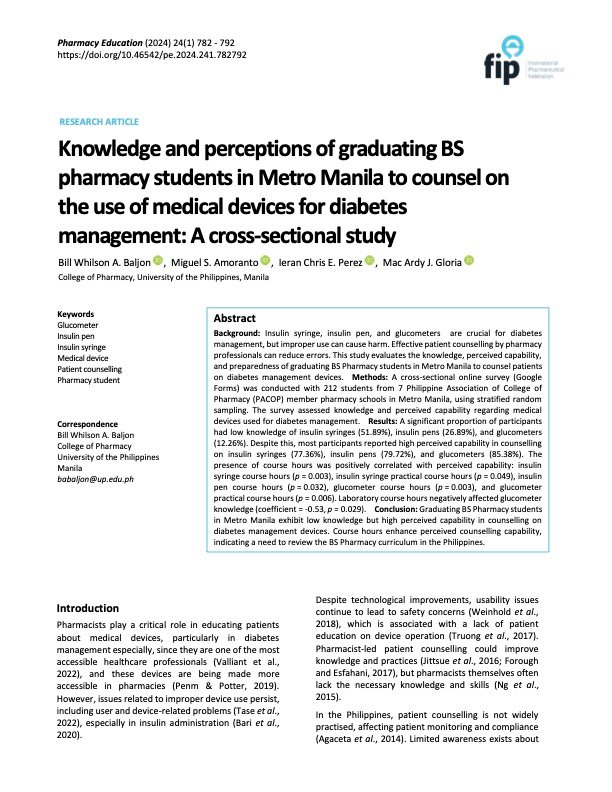
  • Knowledge and perceptions of graduating BS pharmacy students in Metro Manila to counsel on the use of medical devices for diabetes management: A cross-sectional study

    Knowledge and perceptions of graduating BS pharmacy students in Metro Manila to counsel on the use of medical devices for diabetes management: A cross-sectional study


    This paper evaluated these students’ readiness to guide diabetes management devices. The results indicated that, despite students’ confidence in their counseling skills, their actual knowledge about these devices was insufficient. Notably, an increase in course hours correlated with enhanced perceived counseling abilities, suggesting a need to reassess the BS Pharmacy curriculum in the Philippines.

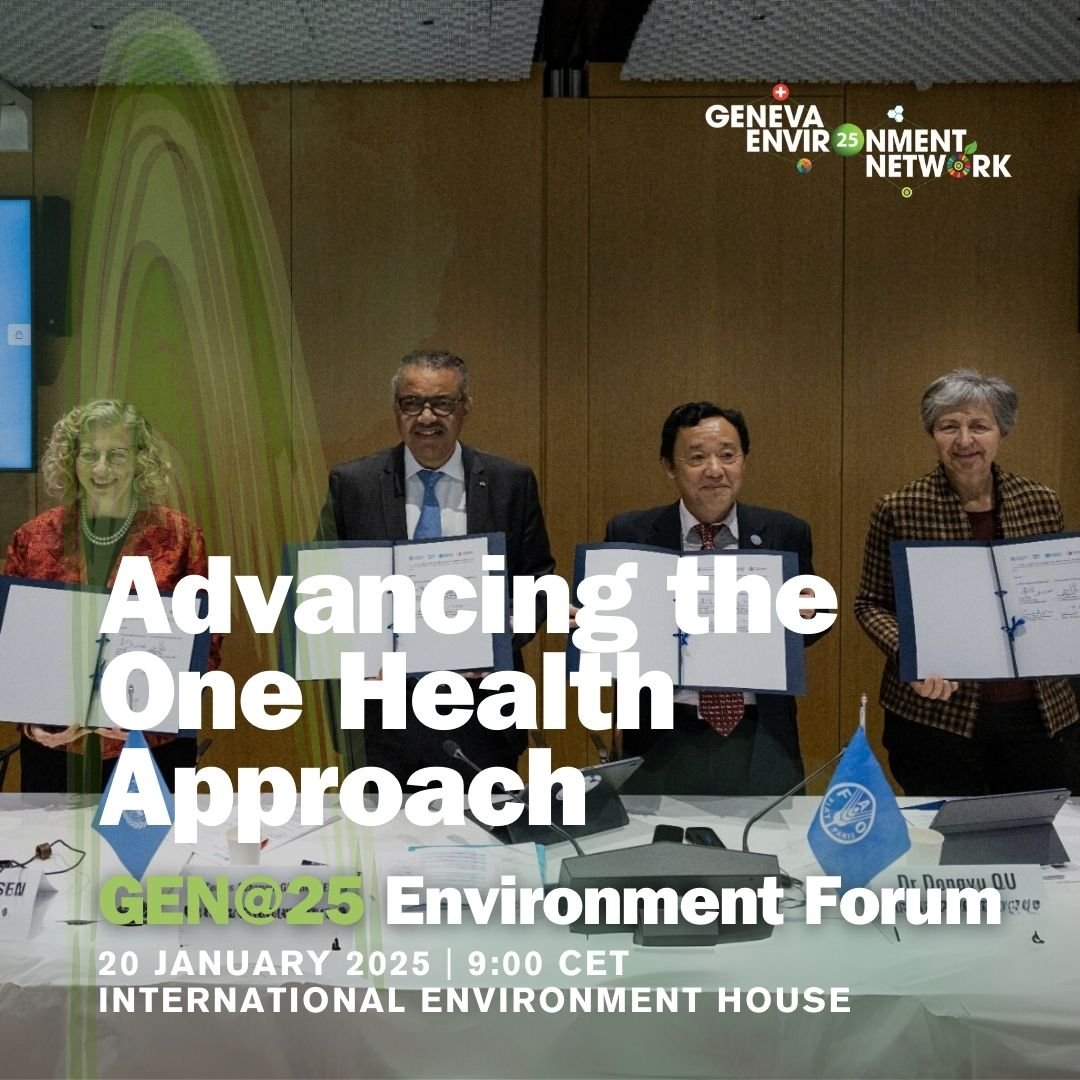
  • Geneva Environment Network’s 25th Anniversary Celebration – Advancing the One Health Approach

    Geneva Environment Network’s 25th Anniversary Celebration – Advancing the One Health Approach


    We join the Geneva Environment Network’s High-Level 25th  Anniversary celebration on January 20, 2025, at the International Environment House in Geneva, coordinating the cluster on “Advancing the One Health Approach” to highlight the impact of multilateralism and international Geneva.

    The One Health approach recognizes the interconnection between human, animal, and environmental health, making it indispensable for addressing global challenges. From zoonotic diseases and food security to antimicrobial resistance (AMR), pollution, and climate change, One Health is a unifying framework for tackling our world’s most pressing issues.

    The Role of the Geneva Environment Network

    The Geneva Environment Network plays a vital role in addressing the environmental drivers of health crises and advancing One Health principles. Its work highlights how climate change, pollution mitigation, and biodiversity loss influence global health and demonstrates innovative strategies for addressing these challenges.

    These efforts align with the work of Quadripartite collaboration between WHO, WOAH, FAO, and UNEP, demonstrating the importance of collective action across health, agriculture, and environmental sectors.

    Strengthening Multilateralism and Health Diplomacy

    In International Geneva, multilateralism is key to the success of the One Health approach. Platforms like GEN have fostered collaboration among diverse stakeholders, bridging sectors and regions to find global solutions. Health diplomacy plays a critical role in:

    • Coordinating international efforts to address AMR, zoonotic diseases, and other One Health challenges.
    • Promoting integrative policies that link health and environmental sustainability.
    • Advancing sustainable development through evidence-based approaches.

    Our booth at the event will feature case studies and interactive exhibits to demonstrate the power of multilateral collaboration in achieving One Health goals.

    Join us at the Geneva Environment Network’s 25th Anniversary Celebration

    For more information, visit the GEN 25th Anniversary.

  • From Jeddah to Geneva | Multilateralism Addressing Antimicrobial Resistance

    From Jeddah to Geneva | Multilateralism Addressing Antimicrobial Resistance

    This event is organized within the framework of the 2024 World Antimicrobial Resistance Awareness Week (WAAW) – a global campaign to raise awareness and understanding of Antimicrobial Resistance (AMR) and promote best practices among One Health stakeholders to reduce the emergence and spread of drug-resistant infections.

    About this Session

    Antimicrobial resistance is a critical and growing threat to human, and animal health, food security, environment, and development. AMR has been directly linked to 1.27 million global deaths and has contributed to 4.95 million deaths.

    During the last 79th United Nations General Assembly, 26 September, as part of the high-level week it was adopted a High-Level Political Declaration on AMR where the urgent need for global action against AMR, including the global target to reduce the misuse of antimicrobial and sustainable financial and innovation to combat AMR globally.

    As part of the ongoing efforts the Fourth Ministerial Conference on Antimicrobial Resistance will be hosted by the Kingdom of Saudi Arabia on 15-16 November in Jeddah, under the theme “From Declaration to Implementation – Accelerating Actions Through Multisectoral Partnerships for the Containment of AMR”. The conference, bringing together leaders to address urgent issues in preventing and managing AMR on a global scale, will be preceded by a side event day for non-state actors on 14 November.

    This event, organized as part of the World Antimicrobial Resistance Awareness Week (WAAW) from 18 to 24 November, will serve as a strategic gathering to advance commitments and build on the 4th Ministerial Conference and the work on AMR from international organizations and partners in Geneva International to accelerate the commitments on AMR, foster collaboration between the Quadripartite AMR organizations, UNEP, WHO, FAO, WOAH, the private sector, academia, and civil society to promote the integrated One Heath approach and evaluate the next steps and commitments that result from the meeting in Jeddah.


    Speakers

    H.E. Amb. Matthew WILSON

    Permanent Representative of Barbados to the United Nations Office and other international organizations in Geneva

    Jacqueline ALVAREZ

    Chief, Chemicals and Health Branch, UN Environment Programme

    Jean Pierre NYEMAZI

    Director a.i., Global Coordination and Partnership Department, AMR Division, World Health Organization

    Dominique BURGEON

    Director, Geneva Liaison Office, Food and Agriculture Organization

    Javier YUGUEROS-MARCOS

    Head of the Antimicrobial Resistance and Veterinary Products Department, World Organisation for Animal Health

    Judith MOORE

    Head, Access & Outcomes, Centre for Health and Healthcare, World Economic Forum

    Luka ŠROT

    Associate Director, Health Security, International Federation of Pharmaceutical Manufacturers and Associations

    Katherine URBAÉZ

    Founder and Executive Director, Health Diplomacy Alliance

    Wondwosen ASNAKE KIBRET

    Policy and Partnerships Coordinator, Europe Office, UN Environment Programme | Moderator

    Read more: Jeddah to Geneva

    Watch the recording: VIDEO

  • Analysis of the rainfall variability and change in the Republic of Benin (West Africa)

    Analysis of the rainfall variability and change in the Republic of Benin (West Africa)

    This article by Yédjinnavènan Ahokpossi investigates temporal variations and trends in Benin’s annual rainfall distribution from 1940 to 2015 using data from six meteorological stations and three rain gauges. Various statistical methods, including modified Mann-Kendall and Bayesian change point detection, were employed to analyze trends, abrupt changes, and variability. 

    Results revealed periods of wet and dry phases and correlations between rainfall and atmospheric indices like the North Atlantic Oscillation and El Niño. The study offers insights into climate variability in Benin and the influence of oceanic and atmospheric factors on rainfall patterns.

  • Go Blue Video Campaign – World AMR Awareness Week (WAAW)

    Go Blue Video Campaign – World AMR Awareness Week (WAAW)

    As part of the World Antimicrobial Resistance (AMR) Awareness Week 2024 – 18-24 November, we would like to invite you to contribute to our video series campaign.

    Your participation will be invaluable in raising awareness under this year’s theme: “Educate. Advocate. Act Now.”

    This campaign unites key stakeholders—high-level officials, including policymakers, healthcare practitioners, academics, civil society, AMR survivors, the private sector, and others—from various sectors and regions. It will emphasize the urgent actions outlined in the High-Level Political Declaration on AMR.

    We kindly request your contribution by sharing a short video (maximum 3 minutes) in your native or working language – GO BLUE ! with something blue (clothes, background, etc). A quote, reflection, or key message on AMR and its significance in your field or region for any of the following: 

    1. A personal call to educate and inspire others to join the global AMR fight, particularly in areas most relevant to your work
    2. The importance of advocacy and multisector cooperation.
    3. A clear call to action emphasizing the “Act Now” theme. If possible, refer to at least one important target or commitment of the 2024 Political Declaration and how to keep the Momentum.

    Please share your video  to communications@hdalliance.org or upload it to this folder https://tinyurl.com/WAAWHealthDiplo