Drug resistance infections, or antimicrobial resistance (AMR), is an evolutionary survival response where microorganisms, including bacteria, viruses, fungi, and parasites, adapt and change over time to withstand the drugs designed to threat them, effectively rendering standard medical treatments powerless and turning once-manageable infections into persistent, life-threatening “superbugs”. The result is higher mortality, longer illness, and overwhelming pressure on health systems, especially those in low-income settings and conflict zones.
AMR is responsible for an estimated of 1.3 million deaths annually and contributes to nearly 5 million additional deaths. By delaying effective treatment, resistant infections increase the risk of progression to sepsis and worsen outcomes once sepsis develops, a condition responsible for more than 11 million deaths each year globally.
Despite its scale and reach, the global response to AMR remains fragmented; diagnostic gaps persist, One Health coordination is weak, access to antimicrobials and diagnostic remains deeply unequal and without a coordinated and commitment at the political, policy, finance, science and community level, AMR will continue to intensify existing health challenges and undermine progress across health systems.
Drug-resistant infections pose a burden on health systems, extend treatment, and increase mortality. Gaps in prevention, access, and preparedness will continue to widen in the absence of concerted political action, calling for leadership and a coordinated response.
AMR requires political stewardship beyond technical health responses. While commitments exist, weak accountability, fragmented governance, and short political cycles limit sustained action.
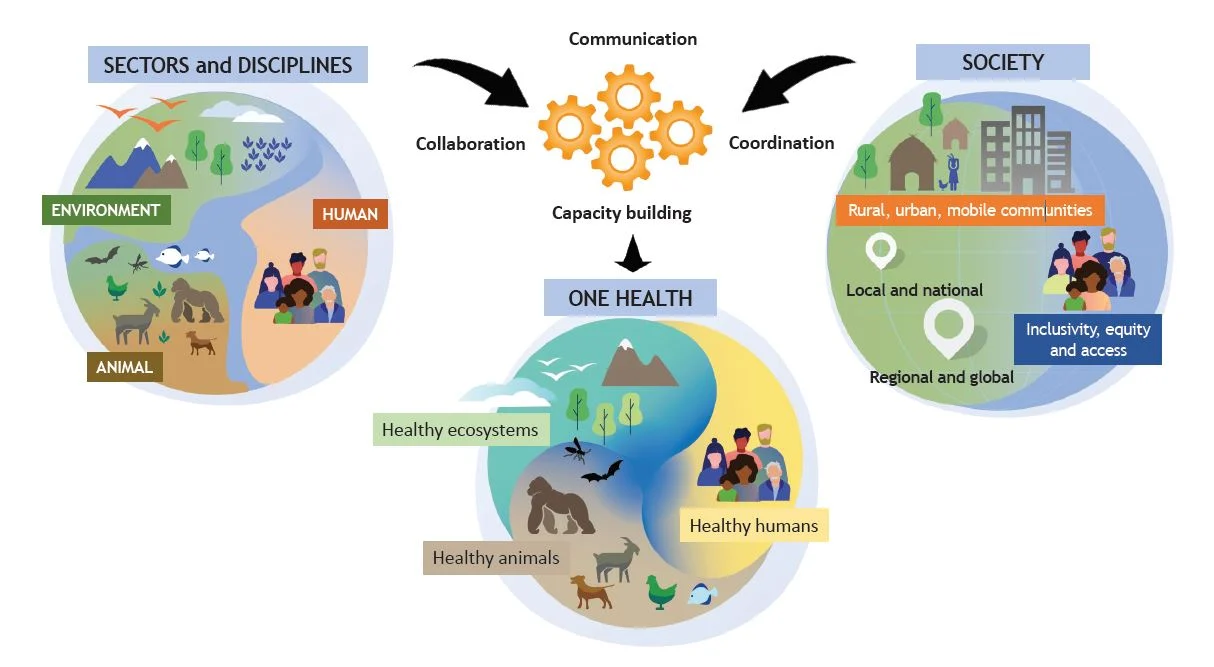
HDA works on AMR because its mandate sits where these gaps persist, at the interface of health and foreign policy, and because One Health is embedded in its bylaws. Supporting coordination across human, animal, and environmental sectors reinforces accountability for commitments and enables more coherent national responses.
Global commitments often stall at the implementation in the national level, together with a lack of cross-sectoral and priorities coordination .
AMR drivers cross human, animal and environment are, yet governance remains siloed, because of its complexity, also involve many other sectors like trade, foreign affairs, finance and development, making a challenge for collective response.
Efforts has been made to elevate at the political attention, but without a sustained leadership, AMR might be sidelined, in a world were geopolitics will force for a immediate rather than systematic crisis
Innovation and stewardship remain underfunded and misaligned with public health needs; the broken AMR pipeline requires coordinated PPP.
Often treated as a stand-alone project rather than a core component of health security, leading to fragile and unsustainable funding streams.
We are developing a collaborative initiative to enhance the monitoring of political commitments on AMR and to advance coordinated action nationally and globally. We invite partners to support this effort through engagement, knowledge-sharing, and other contributions that strengthen our collective impact.
We employ health diplomacy to sustain political momentum for global AMR targets and translate them into effective implementation.
Our approach integrates policy advocacy across prevention, stewardship and surveillance while securing innovation and sustainable financing to fulfill and ensure practical progress.