Author: Health Diplomacy

  • From Fragmentation to Alignment: Redesigning Global Health Architecture for 2030 and Beyond

    From Fragmentation to Alignment: Redesigning Global Health Architecture for 2030 and Beyond

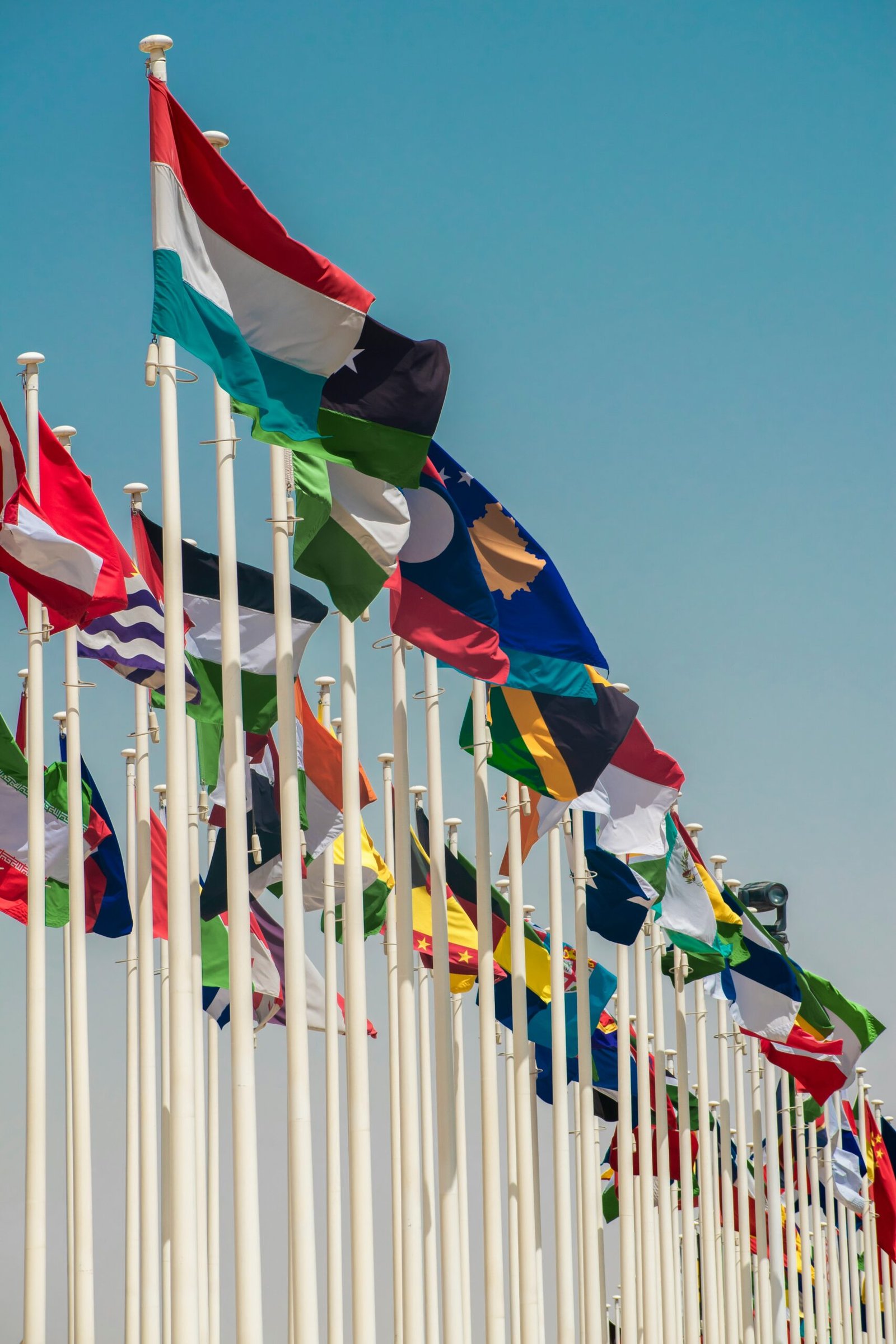
    Image source – A. Vesakaran on Upsplash 

    The COVID-19 pandemic triggered the largest surge in global health financing in recent history, prompting pledges of reform and solidarity across nations, donors, and institutions. Five years later and just five years before the end of the Sustainable Development Goals timeline in 2030, critical questions remain: Has global health architecture truly evolved? Are countries more prepared and in control of their health systems?

    Evidence from the Global Health Expenditure Database (April 2025) reveals that low-income countries still rely heavily on foreign aid, which accounts for more than 25% of their total health expenditure. In contrast, government expenditure on health remains low, with most countries allocating less than 10% of their national budgets to the sector. Despite repeated commitments, including the Abuja Declaration’s 15% target, domestic financing remains inadequate, and health systems continue to underperform.

    Systemic Challenges

    • Donor Overreach and Parallel Systems: Donor funding often flows through fragmented vertical programs (e.g., HIV, malaria, immunization), bypassing national health strategies and creating duplication. This undermines long-term sustainability and weakens institutional capacity.
    • Lack of Coherent Governance: There is no binding global framework to hold donors accountable to national priorities. Despite efforts such as the Lusaka Agenda and updates to the International Health Regulations (IHR), donor coordination remains voluntary and inconsistent.
    • Neglect of Primary Health Care: According to GHED data, less than 30% of government health spending in many low- and middle-income countries is allocated to primary health care. Instead, spending is concentrated on curative services and disease-specific interventions, leaving frontline systems underfunded.
    • Weak Integration of Evidence into Decision-Making
    Despite growing access to global guidance and data, many countries still face challenges in translating evidence into policy and practice. Capacity gaps in data analysis, health economics, and implementation science often due to underinvestment in local institutions, limit the ability to make strategic choices, assess trade-offs, or negotiate effectively with external partners.

    What Reform Should Look Like

    Legally Binding Frameworks for Donor Coordination:
    Integrate donor alignment and transparency requirements into global governance instruments such as the International Health Regulations. Donors should be obligated to report funding through national health accounts and align with country-led strategies.


    Country-Led Health Investment Compacts:
    Shift from fragmented projects to co-financed national health compacts, where governments and development partners co-develop health system investment plans. These compacts should be reviewed publicly and embedded in national budget and monitoring frameworks.


    Strengthen Regional Leadership and Sovereignty:
    Empower regional organizations such as Africa CDC, WAHO, and the Southern African Development Community (SADC) Health Desk to lead pooled procurement, local pharmaceutical regulation, and cross-border surveillance. Establish continental public dashboards for health security financing.


    Rebalance Spending Toward System Foundations:
    Redirect funding toward primary care, community health workers, health infrastructure, and public health surveillance. Governments should recommit to the Abuja target of allocating at least 15% of their total budgets to health.


    Fund Southern Institutions and Knowledge Platforms:
    Increase investment in Africa-based research institutions, policy think tanks, and civil society groups to ensure global policy and guideline development reflects the realities and leadership of the Global South.


    Conclusion

    The architecture of global health remains tilted toward external control, vertical programs, and fragmented governance. Reform must go beyond temporary initiatives or rhetorical solidarity. It must be rooted in enforceable rules, long-term financing, regional agency, and country-driven accountability. With just five years left to achieve the Sustainable Development Goals, the time to shift power, rebuild trust, and design a resilient, equitable, and accountable global health system is now.

    References

    1. World Health Organization. (2025) Global Health Expenditure Database (GHED): April 2025 Release. https://apps.who.int/nha/database
    2. The Future of Global Health Initiatives (FGHI) Report. (2023) A vision for evolution: Aligning GHIs with country systems. https://www.futureofghis.org
    3. Kickbusch, I., & Aginam, O. (2021). Reforming the Global Health Architecture: The Road to Equity and Effectiveness. Geneva Global Health Hub. https://www.g2h2.org/posts/reforming-global-health-architecture
    4. Center for Global Development. (2023). It’s Time to Change: Reforming the Global Health Architecture. https://www.cgdev.org/blog/time-change-reforming-global-health-architecture
    5. World Health Organization. (2024). Strengthening the Global Architecture for Health Emergency Preparedness, Response and Resilience (HEPR). https://www.who.int/publications/i/item/9789240060616
    6. United Nations. (2023). Progress towards the Sustainable Development Goals: Report of the Secretary-General. https://unstats.un.org/sdgs/report/2023
    7. Africa Centres for Disease Control and Prevention (Africa CDC). (2022). New Public Health Order for Africa. https://africacdc.org/download/the-new-public-health-order-for-africa
    8. Marten, R., & Smith, R. D. (2023). Power shifts in global health: Are we there yet? BMJ Global Health, 8(1), e010248. https://gh.bmj.com/content/8/1/e010248

    About the Author


    Ebunoluwa Ayinmode is a global health professional and Program Manager at WAFERs. Her niche is health systems, guidelines, and policy. She champions locally driven strategies and amplifies African voices in global health, bridging diplomacy, data, and grassroots action.

  • World Humanitarian Day 2025 Blog

    World Humanitarian Day 2025 Blog

    Image source – Tim L. Productions on Unsplash

    Shielding the Frontline: Diplomacy for Protection of Humanitarian Health Workers

    Introduction  

    The year 2024 witnessed a grim record for attacks on humanitarian health workers globally, with 377 aid worker fatalities across 20 countries, a staggering 137% increase from 2022. The trend continues in 2025 with 545 attacks impacting facilities and 412 attacks affecting personnel between 1 January and 19 August 2025. Amidst total fatalities in conflict-affected situations, the local and national humanitarian and health workers bear the greatest burden of violence, accounting for 90 per cent of victims. The protection of humanitarian health workers has become a critical concern in the international humanitarian law and policy discourse. 

    As the world observes World Humanitarian Day 2025 under the theme “Strengthening Global Solidarity and Empowering Local Communities,” the protection of humanitarian health workers has emerged as a critical nexus where international cooperation and local empowerment must converge.  

    There is an urgent need for enhanced protection mechanisms through health diplomacy for those in vulnerable situations and exposed to increased risk of attacks, while providing medical care in conflict zones and humanitarian emergencies. 

    Evolving Nature of Attacks 

    Modern conflicts have witnessed a distressing evolution in the targeting of healthcare infrastructure. Unlike traditional warfare, where International Humanitarian Law was respected and protecting medical facilities was prioritized, contemporary conflicts increasingly employ healthcare destruction as a means for disrupting the health ecosystem. The attacks manifest in various forms, from direct bombing of hospitals and ambulances to more subtle tactics such as deliberately targeting energy and water infrastructure vital to the functioning of the healthcare system. For instance, it has been witnessed that the attack on health have seen a notable increase in the use of explosive weapons from 36% in 2023 to 48% in 2024. Armed drone attacks on healthcare facilities have similarly increased from 9% to 20% over the same period. This systematic targeting of healthcare providers requires international attention and action to prevent such incidents and uphold International Humanitarian Law (IHL). 

    International Frameworks in Place 

    Global solidarity for health worker protection encompasses diplomatic coordination, shared intelligence, and collective advocacy that can shield health workers from attack. While the Geneva Conventions of 1949 and International Humanitarian Law provide robust legal foundations for humanitarian and healthcare personnel protection, active measures have been taken since 2012, with the World Health Organization (WHO) creating a surveillance database on Attacks on Health Care 

    Following this, in 2014, the UN Security Council passed Resolution 2175, and in 2016, Resolution 2286  to protect humanitarian workers, health personnel, and medical facilities in conflict zones, respectively. In 2020, the WHO launched the Health Worker Safety Charter, which called key stakeholders to be involved in ensuring protection from violence, physical and biohazards, improving mental health, developing national programs, and emphasizing the synergy of health worker and patient safety.  

    The role of physicians and other health workers in the preservation and promotion of peace is established in WHOs Resolution WHA 34.38, that establishes the role of WHO in facilitating the implementation of UN Resolutions towards peace and conflict prevention. The Global Health and Peace Initiative furthers the Humanitarian-Development-Peace nexus underlines the role of health as a key driver of peace and sustainable development, including all parts of the UN and the World Bank in conflict prevention, mediation, and resolution.  

    However, despite these measures, the attacks on humanitarian and health workers continue, highlighting the need for more effective collective action. To address this concern, diplomatic mechanisms that can translate international solidarity into tangible protection for health and humanitarian workers, and protection of health facilities are needed. This was reiterated by the UN Secretary-General, António Guterres, in his message on the Call for Action to protect humanitarian workers, by stating the need for political will and the need to invest in their safety.  

    Challenges to address 

    Significant resource disparities persist between international and local health worker protection initiatives. Humanitarian and health workers representing international humanitarian organizations have access to security training, evacuation procedures, insurance coverage, and protection that are unavailable to local health workers. Additionally, the paucity of humanitarian health education and training programs in conflict-affected countries restricts local health workers’ access to specialized protection training that could enhance their safety.  

    Many global solidarity initiatives inadvertently impose external priorities, timelines, or methodologies that conflict with community preferences or cultural norms. Local healthcare communities’ voices are underrepresented in the global discourse around their protection; that leads to a narrative and solutions facing glaring implementation challenges. 

    Integrating global solidarity with local empowerment requires inclusive coordination mechanisms that can balance an international response with local context-specific solutions. To address this, it requires diplomatic frameworks that can maintain global solidarity while ensuring meaningful local participation in health worker protection decision-making. 

    Diplomacy: Bridging Global Solidarity and Local Empowerment 

    Effective diplomacy can integrate global solidarity and local empowerment for humanitarian and health worker protection. Multi-track diplomacy between nations, multistakeholder engagement involving various actors, and informal field-level negotiations are needed to bring about this balance and address this urgent objective. However, in conflict settings, prominent diplomatic channels often harness negotiation, mediation, and advocacy to ensure access to affected populations, raise protection issues, and influence domestic actors impeding humanitarian relief.  

    Current diplomatic efforts must go a step further to bring local health worker community perspectives into mainstream policy and negotiation efforts to ensure securing the space for health interventions while engaging politically and socially to empower local capacity. For instance, humanitarian organization like the International Committee of the Red Cross (ICRC) regularly bring local humanitarian health workers into the process of negotiating policies that ensure access and protection for healthcare communities in highly insecure environments. 

    Successful protection strategies require trust-building, multi-level engagement, evidence-based advocacy, and innovative protection mechanisms.  For instance, the synergy of global solidarity and local empowerment was witnessed when UNICEF, as an international organization, negotiated for corridors of peace and days of tranquillity in Syria and Yemen, specifically designed to allow immunization campaigns, human resource training, ensuring the continuous supply of vaccines, and supporting community engagement and outreach programs.  

    Similarly, in Yemen, during COVID-19, global partners provided technical expertise, equipment, and diplomatic protection, while local communities took responsibility for facility security, staff safety, and service delivery and expanded its testing capacity from one laboratory to 18 facilities between 2020 and 2022. The success of this initiative stemmed from its dual approach of international support and local ownership.  

    In Ukraine, where the healthcare system continues to grapple with attacks, the systematic surveillance and verification process set by WHO not only provides crucial data for international diplomatic engagement but also builds local capacity for monitoring and reporting attacks against health workers. This empowerment through evidence-based documentation has created sustainable local capacity for health worker protection advocacy that has the potential to persist beyond the conflict situation.  

    Health workers in Gaza have called upon international stakeholders to work together to uphold global solidarity to fortify health workers’ resilience and ensure universal access to healthcare in conflict-affected situations. 

    Way Forward 

    While it is imperative to strengthen the enforcement of existing international frameworks, diplomacy must focus on embedding community voices directly into global protection frameworks. Additionally, the development of regional health worker protection networks that can advocate collectively while maintaining local representation and empowerment could provide platforms for local health workers to engage directly with diplomatic processes.  

    Use of digital, satellite, and communication tools for real-time monitoring and response can connect local health workers directly to international protection networks and provide independent verification of attacks on healthcare facilities, supporting both international advocacy and local documentation efforts. Additionally, context-driven health education and training modules should be designed with sensitivity to local cultural, political, and security realities, equipping health workers with practical skills for negotiation, risk assessment, and community engagement to enhance their safety on the frontline. 

    Further, developing innovative financing mechanisms that can provide resources for local health worker protection while building community capacity for resource management and sustainability promise a sustainable solution to health system strengthening in conflict-affected situations.  Successful implementation of these can only happen with global solidarity and collective action, with diplomacy as a tool that bridges global and local action.  

    Conclusion 

    The urgency of protecting health workers under unprecedented attack worldwide demands immediate action to strengthen both global solidarity mechanisms and local empowerment initiatives. Most critically, it requires a fundamental shift in the approach to the protection of health and humanitarian workers from a technical challenge requiring external solutions to a political and social challenge requiring authentic partnerships. The World Humanitarian Day 2025 offers an opportunity to reflect and create a diplomacy roadmap for transforming health worker protection, whose success would be measured in terms of communities empowered to protect the health workforce who dedicate their lives to protecting others. 

    About the Authors


    Aniruddha Inamdar is an Assistant Professor at NIMS Institute of Public Health and Governance at NIMS University, Rajasthan, Jaipur, India, He has a keen interest in EU-India cooperation, international relations, and health diplomacy. 


    Dr Abhishek Bhatia is a Policy and Advocacy Consultant at the Health Diplomacy Alliance. He has a pertinent interest in health diplomacy, access to healthcare, Intellectual Property, Trade and Public Health.

  • 78th World Health Assembly

    78th World Health Assembly

    Amidst severe financial limitations, the 78th World Health Assembly (WHA78) took place in Geneva, Switzerland, from May 19–27, 2025. Following the formal resignation of Argentina and the United States, as well as donor fatigue, the WHO’s 2026–2027 budget was cut from US$5.3 billion to US$4.2 billion. To stabilize WHO’s core funding, Member States responded by approving a 20% increase in assessed contributions for the second consecutive biennium. Even so, the organization will need to implement additional cutbacks, such as possible layoffs, divisional reorganizations, and decentralization to regional offices., which is expected to take place next month.

    The WHO Investment Round attracted pledges totaling more than US$210 million. In addition to China, Norway, France, Germany, and other countries, Switzerland contributed 66 million CHF, or around US$80 million. This support was reinforced by philanthropic foundations, indicating a shared awareness of WHO’s vital role in addressing global health issues.

    During consultations, the proposed Global Plan of Action on Climate Change and Health encountered opposition. The WHO’s involvement in adaptation and mitigation initiatives, as well as the funding of adaptation in low-income nations, were the main points of contention. In the end, the idea was approved in principle, but it won’t be put into action unless WHO raises US$1.66 million to address the existing gap and another US$30 million until 2028.

    A resolution on skin diseases was adopted without contest, marking the first time these conditions have been recognized as a global public health priority. The resolution directs WHO to create a comprehensive framework addressing treatment, prevention, and equitable access, particularly for vulnerable populations, with a budget of $510,000 for 2026-2027.

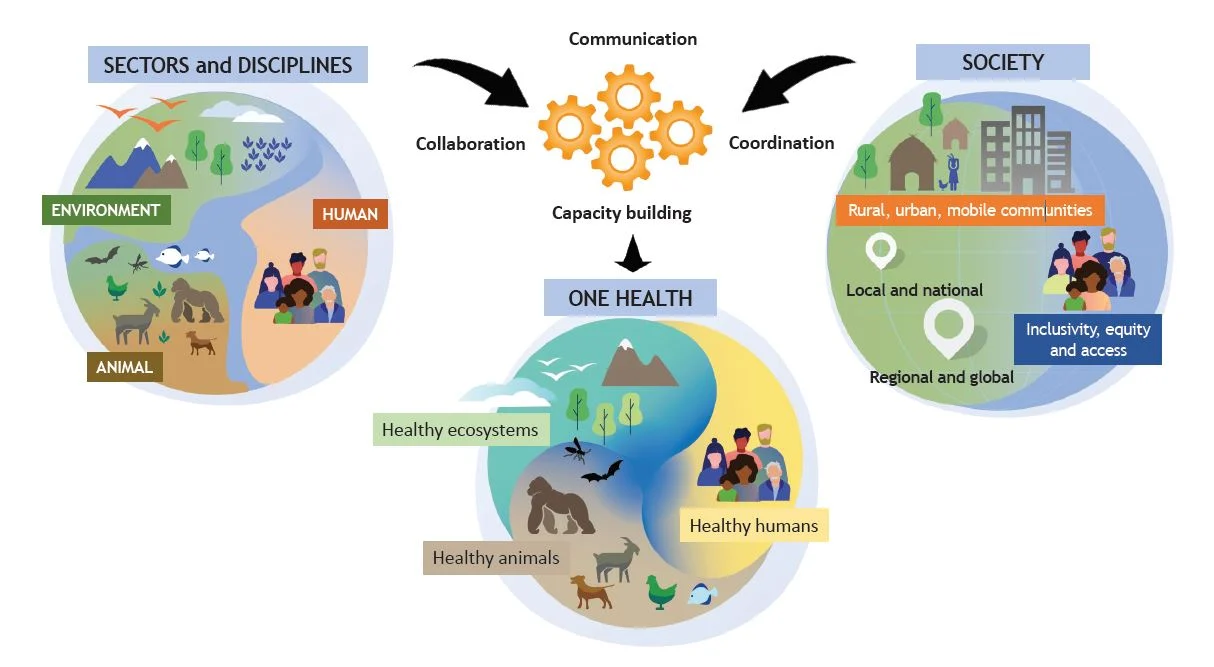
    The Assembly reaffirmed the Global Action Plan on Antimicrobial Resistance (AMR), which is set for a complete update in 2026. Countries voiced support for the One Health framework, and WHO was entrusted with creating new implementation tools. The implementation of stronger criteria for antimicrobial manufacturing waste showed a commitment to connecting industrial practices with environmental and human health effects.

    In addition, the Assembly approved Indonesia’s request to move from the South-East Asia Region to the Western Pacific Region, demonstrating WHO’s ability to adjust to geopolitical changes.

    The Executive Board concluded its 157th session on 28–29 May 2025, approving new procedures for ethical oversight of WHO’s leadership. Following extensive consultations, the Board approved a structured framework for examining charges of misconduct against the Director-General, which included the formation of an independent review panel.

    1 – Read more about the Programme, Budget and Administration Committee (PBAC) 42nd meeting, held 14–16 May 2025.

    2 – Read more about the 78th World Health Assembly (19–27 May 2025).

    3 – Read more about the 157th Executive Board meeting (28–29 May 2025).

  • The Human Variome Project: Global Coordination in Data Sharing

    The Human Variome Project: Global Coordination in Data Sharing


    This article outlines a global effort initiated in 2006 to standardize and share genetic data for clinical and research purposes, supported by international bodies such as UNESCO. It details the establishment of national hubs to ethically collect, curate, and disseminate genomic information, addressing infrastructure gaps and fostering regional collaboration through diplomacy. The initiative aims to advance healthcare equity and improve diagnostics through coordinated, cross-border cooperation by prioritizing capacity-building in underserved regions and harmonizing data practices.

  • Humanitarian Action in the Planetary Crisis

    Humanitarian Action in the Planetary Crisis


    This Policy Brief examines how the OneHealth approach can transform humanitarian action amid rising natural disasters, conflicts, and displacement in low-resource settings. 

    Developed collaboratively by leading academics and humanitarian experts, it offers four key recommendations and 28 actionable steps to enhance crisis response, disease prevention, and environmental sustainability. 

  • Science as Diplomacy: The Strategic Power of One Health in Global Policy

    Science as Diplomacy: The Strategic Power of One Health in Global Policy

    The One Health approach, which recognizes the interdependence of human, animal, and environmental health, is not only a matter of scientific collaboration but also a prime example of Science Diplomacy in action. Science Diplomacy goes beyond cooperation to engage science as a strategic diplomatic tool, capable of influencing global policies, easing geopolitical tensions, and fostering trust between nations with differing agendas. Through this lens, the One Health approach becomes a means of addressing complex and often contentious global challenges by leveraging scientific expertise in diplomatic negotiations, international treaties, and conflict resolution.

    The diplomatic role of science becomes evident in how scientific knowledge informs global health policies, mediates disputes, and fosters international trust. For instance, pandemic preparedness is not just about sharing research and data but also about aligning different national interests in a way that can prevent diplomatic rifts during crises. During the COVID-19 pandemic, for example, the distribution of vaccines, access to essential medicines, and the regulation of travel and trade became highly politicized. Scientific expertise, combined with diplomatic negotiation, helped to form frameworks like COVAX that sought to balance national interests with global health equity. This balance required science to be used as a diplomatic instrument, guiding international discussions toward a common understanding of the evidence and creating mutual agreements amidst political tension.

    Similarly, global efforts to combat antimicrobial resistance (AMR) highlight the diplomatic weight science carries in policy discussions. AMR is driven by practices in agriculture, healthcare, and environmental management that are influenced by economic interests, political priorities, and social norms in different countries. Here, science provides the common ground upon which diplomatic negotiations occur. Initiatives like the Global Action Plan on Antimicrobial Resistance, developed by WHO, FAO, and WOAH, were not just scientific collaborations but diplomatic triumphs—binding nations to a shared set of guidelines that balanced national sovereignty with the need for collective action. In this case, scientific evidence served as the backbone for treaty-making, where diplomatic negotiations turned scientific consensus into political commitments.

    The One Health approach to climate change and environmental degradation similarly exemplifies Science Diplomacy. Environmental health directly impacts national economies, food security, and public health, making it a politically charged issue. Here, science plays a diplomatic role by creating a neutral ground for dialogue between countries that may be at odds on other fronts. The Intergovernmental Panel on Climate Change (IPCC), for example, has been instrumental in shaping the Paris Agreement. Through scientific assessments of climate change’s impact on ecosystems, agriculture, and human health, the IPCC’s work serves as a diplomatic bridge, ensuring that all parties—despite conflicting political or economic interests—base their negotiations on shared scientific understanding. Science thus becomes a tool not just for cooperation but for diplomatic consensus-building, helping to mediate conflicts over resource management, carbon emissions, and environmental responsibility.

    In the context of wildlife conservation and zoonotic disease surveillance, Science Diplomacy plays a role in preemptive conflict resolution. Zoonotic diseases, such as Ebola and avian influenza, often emerge from regions with significant biodiversity and sometimes weak governance structures. The risk of diseases spilling over into human populations can become a source of diplomatic tension between neighboring nations or trading partners. Science can act as a diplomatic intermediary by offering objective, evidence-based assessments of the risks and by establishing internationally recognized protocols for disease surveillance. This allows nations to resolve potential conflicts diplomatically before they escalate, with organizations such as the Global Health Security Agenda (GHSA) providing platforms for scientific-diplomatic engagement. Rather than being a purely cooperative effort, this is a strategic use of science to negotiate boundaries, responsibilities, and shared risk.

    Food safety and food security provide further examples of the diplomatic role of science. Disputes over food standards, trade, and agricultural practices can create tension between nations, particularly when health and safety regulations differ. Science Diplomacy here is used to harmonize these standards while respecting national sovereignty, thus preventing potential trade wars or diplomatic standoffs. For example, the Codex Alimentarius Commission, a joint effort by WHO and FAO, plays a diplomatic role in mediating disagreements over food safety, using scientific evidence to broker consensus on what constitutes safe food practices. In this capacity, science is not just enabling cooperation but is driving diplomatic negotiation, ensuring that trade disputes do not escalate into larger geopolitical conflicts by grounding them in neutral, scientifically verifiable standards.

    In the broader context of environmental issues like biodiversity loss and pollution, science is used to establish common metrics for environmental impact assessments, which then feed into diplomatic negotiations for treaties like the Convention on Biological Diversity or the Montreal Protocol on substances that deplete the ozone layer. Science acts as a form of diplomatic currency in these discussions, allowing countries with divergent interests to engage in constructive dialogue based on mutually understood scientific principles. Diplomatic negotiations often hinge on the interpretation of scientific data, with science providing the means to translate complex environmental challenges into actionable policies, thus preventing potential conflicts over resource use and environmental degradation.

    In conclusion, the One Health approach is not just about scientific collaboration; it is a key arena for Science Diplomacy, where science plays a diplomatic role in shaping international policies, mediating disputes, and fostering global trust. By applying scientific principles in diplomatic contexts, nations can navigate the challenges of human, animal, and environmental health with greater clarity and consensus, ultimately leading to more effective and equitable global governance. In this sense, the diplomatic role of science in One Health goes beyond cooperation—it is about using scientific knowledge as a strategic tool to resolve conflicts, negotiate treaties, and build long-term, sustainable relationships between nations.

    About the author


    A Medical Doctor specializing in Urology, with advanced studies in International Cooperation, he has over 18 years of experience bridging science, health, and diplomacy. His career spans roles at UNESCO, where he led science policy and capacity-building projects, collaborated with the AAAS on science diplomacy, and secured European Commission funding for global partnerships. As Secretary General of EUGLOH, he advanced academic collaboration in global health, and currently, at OSH, he promotes sustainable One Health strategies, and at HDA, where he works on Science Diplomacy. His multidisciplinary expertise integrates clinical knowledge with international relations to address global health challenges through institutional and cross-sectoral collaboration.

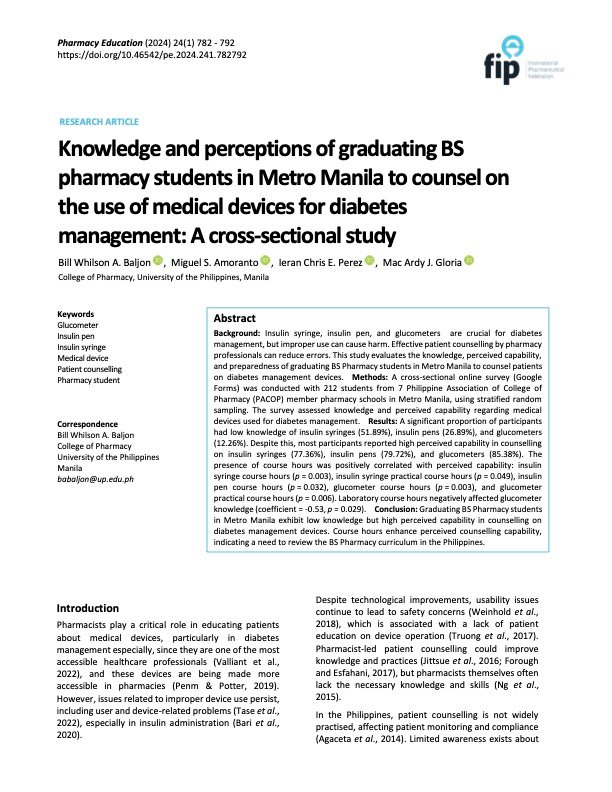
  • Knowledge and perceptions of graduating BS pharmacy students in Metro Manila to counsel on the use of medical devices for diabetes management: A cross-sectional study

    Knowledge and perceptions of graduating BS pharmacy students in Metro Manila to counsel on the use of medical devices for diabetes management: A cross-sectional study


    This paper evaluated these students’ readiness to guide diabetes management devices. The results indicated that, despite students’ confidence in their counseling skills, their actual knowledge about these devices was insufficient. Notably, an increase in course hours correlated with enhanced perceived counseling abilities, suggesting a need to reassess the BS Pharmacy curriculum in the Philippines.

  • India’s Vaccine Diplomacy to Southeast Asia in the Context of “Act East Policy”

    India’s Vaccine Diplomacy to Southeast Asia in the Context of “Act East Policy”

    This chapter of the book, India and Southeast Asia in a Changing World,  examines how India’s Act East Policy (AEP), initially implemented from 2014–2019 to strengthen ties with Southeast Asia, adapted in response to the COVID-19 pandemic through the emergence of vaccine diplomacy. With Southeast Asian nations identified as key partners, the chapter explores how vaccine diplomacy became a strategic tool for advancing AEP objectives during the global health crisis. It provides a detailed review structured in three parts: first, analyzing the strategic importance of Southeast Asia within India’s vaccine diplomacy efforts; second, outlining the specific modalities through which India implemented this approach; and third, assessing the impact of these efforts on the broader implementation and future trajectory of AEP in the region. This comprehensive analysis sheds light on how health diplomacy reshaped regional engagement during a critical period.

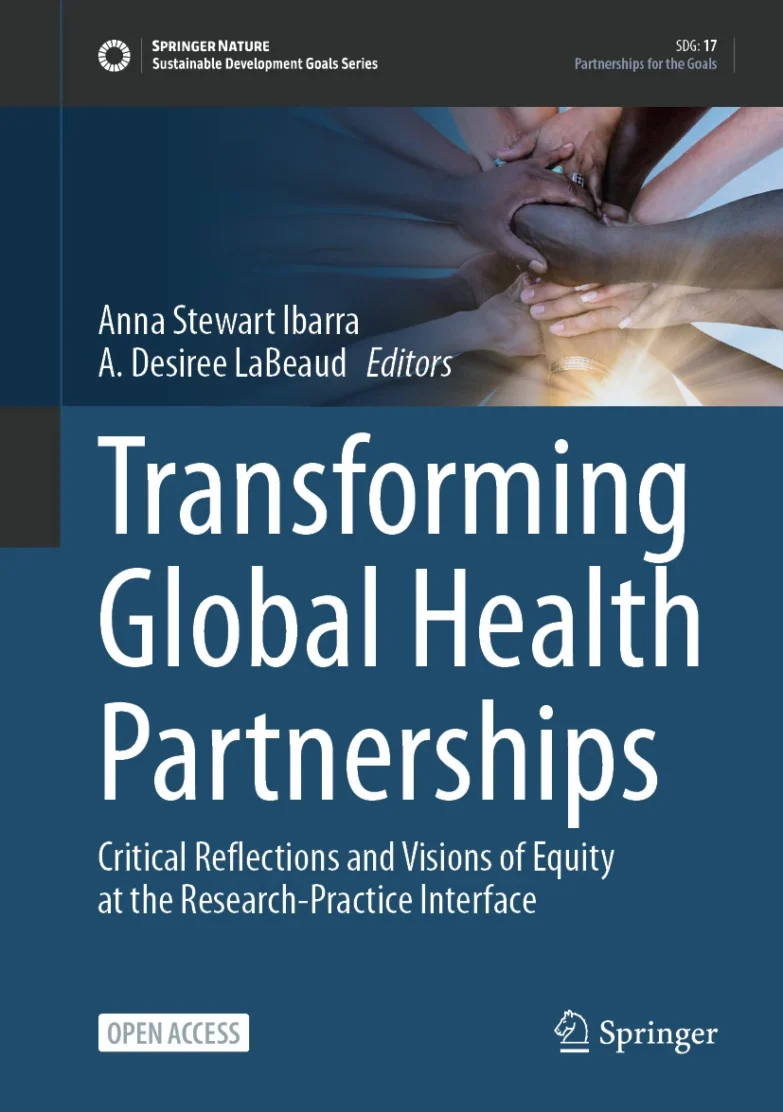
  • Transforming Global Health Partnerships

    Transforming Global Health Partnerships

    Transforming Global Health Partnerships: Critical Reflections and Visions of Equity at the Research-Practice Interface, edited by Anna Stewart Ibarra and A. Desiree LaBeaud. It is part of the Sustainable Development Goals Series. 

    With contributions from over 90 authors across 26 countries, it examines the global health landscape through themes such as decolonization, ethics, gender, systems approach, transdisciplinary science, Planetary Health, One Health, and communication. Covering historical contexts, case studies, and future visions, the book emphasizes equitable and impactful partnerships among researchers, community leaders, and policymakers to address global health challenges.

  • Analysis of the rainfall variability and change in the Republic of Benin (West Africa)

    Analysis of the rainfall variability and change in the Republic of Benin (West Africa)

    This article by Yédjinnavènan Ahokpossi investigates temporal variations and trends in Benin’s annual rainfall distribution from 1940 to 2015 using data from six meteorological stations and three rain gauges. Various statistical methods, including modified Mann-Kendall and Bayesian change point detection, were employed to analyze trends, abrupt changes, and variability. 

    Results revealed periods of wet and dry phases and correlations between rainfall and atmospheric indices like the North Atlantic Oscillation and El Niño. The study offers insights into climate variability in Benin and the influence of oceanic and atmospheric factors on rainfall patterns.