Author: Communication HDA

  • Health Diplomacy Must Start with People: Why Tunisia’s New World Bank Investment Risks Falling Short

    Health Diplomacy Must Start with People: Why Tunisia’s New World Bank Investment Risks Falling Short

    Tunisia’s health system is at a pivotal moment. With the World Bank’s recent approval of the US$125.16 million Tunisia Health System Strengthening Project, the country has the opportunity to modernize its infrastructure, equip its workforce, and redesign the delivery of essential services. Yet the initiative overlooks a critical dimension of sustainable health reform: the people it is meant to serve. Without meaningful investment in health education, community engagement, and population-level behaviour change, Tunisia risks building a more advanced system that still struggles to deliver better health outcomes for its citizens.

    Since 2011, Tunisia has undergone profound political, social, and institutional transformations,
    many of which have directly shaped its health sector. The 2014 Constitution put health as a universal, equitable, and non-discriminatory right. Health expenditure has steadily grown, reaching nearly 7% of GDP in 2021, and the country has made notable progress in life expectancy and vaccination coverage. Infant mortality has fallen by more than half since the early 2000s, and Tunisia often outperforms regional peers such as Morocco, and Egypt on key health indicators.

    Yet this progress hides deep and persistent inequalities. Despite constitutional commitments, 17% of the population remains without health coverage, and out-of-pocket expenditures still account for 38% of total health spending, pushing vulnerable families into poverty or forcing them to renounce to basic healthcare services. The public sector employs only half of the country’s physicians and controls less than one-third of advanced diagnostic equipment, leaving rural and remote regions chronically underserved.

    Noncommunicable diseases (NCDs) now account for 82% of mortality and two-thirds of total health expenditures. Obesity affects more than a quarter of the population, smoking rates remain high (48% among men) and the prevalence of hypertension, diabetes, and cardiovascular diseases continues to rise. These patterns reflect not only clinical gaps but widespread low health literacy, limited awareness of lifestyle risks, and an environment where poverty, pollution, and food insecurity shape daily life. Air and water pollution, unsafe waste disposal, and resource scarcity further strain both the health system and the communities it aims to protect.

    It is against this situation that the World Bank’s Tunisia Health System Strengthening Project must be evaluated. The project is structured around four pillars: strengthening system resilience; reorganizing preventive and primary care; upgrading emergency medical services; and supporting implementation, training, and project management.

    This is an ambitious, necessary, and forward-looking plan. Yet even a technically robust health system cannot achieve its goals if it operates in an environment where citizens lack the knowledge, resources, and incentives to pursue healthy lives. The project’s risk assessment and design fail to account for a fundamental truth: health systems and populations must evolve together. A system can only be as effective as the behaviours, awareness, and trust of the people who use it.

    There are five reasons why the initiative risks falling short without a people-centred complementary strategy:

    1. Low health literacy undermines preventive care
    Tunisians are not sufficiently informed about the risks of NCDs, the importance of nutrition,
    or the long-term impact of unhealthy lifestyles. Without public education campaigns and
    community-level outreach, the burden of disease will continue to rise regardless of system
    upgrades.

    2. Poverty limits healthy choices
    Access to fresh food, physical activity, and preventive services is still limited for most of the
    population. A modernized health system cannot compensate for the environmental and
    economic conditions that make unhealthy habits the default option.

    3. Absence of community engagement weakens trust
    Health diplomacy at national and international levels requires that citizens see themselves
    as partners, not passive recipients. Tunisia’s success stories in health prevention worked
    precisely because they integrated culture, sports, and local values.

    4. Lack of coordination among actors dilutes impact
    The Tunisian government, the World Bank, the WHO, neighbouring countries, and civic
    organizations all have a role to play. Yet without coordinated clusters and a multi-annual
    health-focused development plan, efforts will remain fragmented.

    5. Education and health are inseparable
    Tunisia’s challenges in both sectors reinforce one another. Without improving health literacy
    and school-based health education, the country’s human capital and its economic future
    remains at risk.

    If Tunisia and the World Bank aim to build a resilient, equitable, and accessible health system, they must look beyond infrastructure and technology. Strengthening hospitals and upgrading emergency fleets are vital, but so is building a population that understands, values, and actively participates in its own health.

    True health diplomacy begins with people. The World Bank’s investment can be transformative, but only if Tunisia seizes this moment to embed community engagement, education, and inclusion at the heart of its health strategy.

    Resources:

    WHO contribution in Tunisia (2019-2023): evaluation report. Geneva: World Health Organization; 2025. https://iris.who.int/server/api/core/bitstreams/14f91528-588c-4a71-9951-35c7f530978d/content

    From burden to action: Tunisia steps up the fight against noncommunicable diseases. World Health Organization; 2025. https://www.emro.who.int/media/news/from-burden-to-action-tunisia-steps-up-the-fight-against-noncommunicable-diseases.html

    Giusc, M., Persiani, N. The experience of Tunisian public healthcare system toward decentralizacon to the reduccon of health inequalices in low-, middle- income countries. Int J Equity Health 23, 271 (2024). heps://doi.org/10.1186/s12939-024-02355-5

    New Project to Boost Tunisia’s Health System and Pandemic Response. World Bank; Press Release; May 28 2025. https://www.worldbank.org/en/news/press-release/2025/05/28/new-project-to-boost-tunisia-shealth-system-and-pandemic-response

    Tunisia Health System Strengthening Project (P507209). Appraisal Environmental and Social Review Summary; Appraisal Stage; Report No: ESRSA04001; February 2 2025.
    https://documents1.worldbank.org/curated/en/099030325044539035/pdf/P507209-495f5d10-1991-493b-b711-9417aa11f18e.pdf

    Abdel Ben Y. Educacon and health in Tunisia: is human capital at risk?. Economic Research Forum, December 31 2024. https://theforum.erf.org.eg/2024/12/23/education-and-health-in-tunisia-is-human-capital-at-risk/
  • Likes, Shares, and Side Effects: Misinformation’s Effects on Health

    Likes, Shares, and Side Effects: Misinformation’s Effects on Health

    Source – Authors

    In today’s era of information access and AI, it is becoming increasingly difficult to separate truth from well-made AI-generated content. Identifying AI becomes especially challenging because people aren’t usually in a discerning mindset when scrolling through the internet. Most of the time, they’re simply looking to relax and be distracted.

    That might be (debatably) fine when it comes to funny videos or memes, but it’s a very different story when health information is involved.

    It is now common for people to look up what help they need before they go to a doctor. This information helps them identify the type of care they receive, its costs, and how to exercise home remedies before they need to go to a medical professional. It follows that they must be informed with information that’s accurate, relevant, timely, up to date, and transparent. However, because of limited skills to access good quality health information, people tend to rely on information derived from social media, friends, and, increasingly, AI tools like ChatGPT.

    Online platforms such as Twitter, Facebook, YouTube, and Instagram are common sources of fast and easy information; however, this space also propagates harmful practices as they may provide people with misleading or biased, inaccurate, and poor-quality health information. This practice of misinformation (false or inaccurate information deliberately intended to deceive) and disinformation (deliberately misleading or biased information; manipulated narrative or facts; and propaganda) is one of the most rampant problems in healthcare that affects our generation.

    The situation has escalated to the point that healthcare systems’ efforts to eliminate life-threatening diseases have been severely impacted. In the Philippines, a state of panic broke out in 2019 following the re-emergence of polio, a disease previously declared eradicated in the country. This resurgence was closely linked to the widespread misinformation stemming from the dengue vaccine “Dengvaxia” controversy in 2017, where exaggerated claims about vaccines causing severe side effects or even death led to a sharp decline in public trust in immunization programs. As a result, misinformation became a key barrier to polio eradication efforts, with fear and vaccine hesitancy hampering the country’s disease prevention campaigns.

    To this day, low public trust in vaccination continues to affect routine immunization efforts, shown by a childhood immunization rate of 61%, far below the 95% target, leaving many children vulnerable to otherwise preventable deadly diseases.

    At the same time, while AI-powered tools offer unprecedented access to knowledge, their downsides must not be overlooked. AI models generate content based on vast datasets, but they do not inherently distinguish fact from fiction. Without proper verification, public information may be based on AI hallucinations. This complicates people’s ability to find genuinely evidence-based health information, which in turn may affect their health-seeking behavior. If individuals begin to mistrust physicians or delay consultations because of inaccurate online advice, the doctor–patient relationship may weaken, leading to poorer adherence to medical advice and potentially worse health outcomes.

    On the bright side, these infodemics and misinformation can be effectively addressed through multisectoral initiatives implemented at both macro and micro levels. While government interventions of developing legal measures and policies in the scene are essential, corresponding support must be provided in youth and community settings. Campaigns should aim to create awareness, improve health-related content, build trust in credible health organizations and experts, and generally enhance people’s literacy in both digital and health aspects for them to better assess and identify misinformation.

    Young people play a pivotal role in this dynamic landscape. With their strong online presence, young people are often the first to encounter, share, or challenge health-related content. Their digital fluency enables them to quickly amplify both accurate and inaccurate information. Harnessing this potential requires targeted interventions that empower youth to become responsible digital citizens. Training programs, peer-led campaigns, and collaborations with student and youth organizations can help shape a culture of critical thinking and fact-checking.

    Several global and local initiatives provide examples of how to effectively combat misinformation. For instance, the S.U.R.E. campaign in Singapore effectively combined government messaging, media partnerships, and youth ambassadors to promote fact-checking habits. Similarly, in the Philippines, UNICEF worked with Meta to analyze vaccine hesitancy trends and organize campaigns to increase confidence in routine vaccination. These examples highlight that coordinated strategies combining digital literacy, community engagement, and credible messengers can mitigate the harms of misinformation and restore confidence in healthcare.

    As the world grapples with the double-edged sword of digital and AI-driven information, safeguarding public health depends on more than just regulation. It requires a culture of discernment, responsibility, and trust. AI and social media will remain central in how people access health knowledge, but the key lies in empowering individuals, especially the youth, to navigate this landscape wisely. Let’s utilize the strategies offered by successful case studies and foster collaboration across sectors and societies to ensure health communication’ purpose: to inform, protect, and improve lives.

    About the Authors


    Bill Whilson Baljon is a pharmacist and public health advocate from the Philippines. He is dedicated to promoting health equity and empowering communities through his work in health promotion, policy advocacy, and community engagement. 


     Abigail Salen is a multimedia artist from the Philippines. She aims to utilize visual communication in health promotion and sustainable development, all dedicated to design for good.

    They are the co-founders of Yay! I’m Sober, a health awareness initiative in the Philippines that engages youth, businesses, and civil society organizations to encourage tobacco and alcohol cessation using youth-driven, inclusive, and supportive messaging.

  • Rethinking Health Financing: A Dialogue on Sustainable and Innovative Health Financing Solutions

    Rethinking Health Financing: A Dialogue on Sustainable and Innovative Health Financing Solutions

    Experts gathered to tackle the pressing issue of sustainable health financing in the Health Diplomacy Alliance side event “Investing in Health Financing: Building a Resilient and Sustainable Healthcare System,” on the sidelines of the 78th World Health Assembly.  


    Ms. Katherine Urbaez, Executive Director of the Alliance, as part of the Pillars of work of the organisation, opened and moderated the event by highlighting the urgency of sustainable health financing amid global disruptions impacting health and development. She noted that Official Development Assistance has largely stalled over the past decade while rising security and emergency costs strain health budgets. 


    To address this, health diplomacy plays a key role in balancing global solidarity with national ownership and securing predictable support for institutions like the WHO. Many initiatives are being undertaken by countries, such as tax reforms, reprioritising health in national budgets, and fostering Public-Private Partnerships with transparent governance. 


    The discussion focused on two streams: national and regional pathways, and innovative approaches to health financing, but all within today’s complex geopolitical context and the need for resilient health systems. 


    Dr. Jean Kaseya, Director General of Africa CDC, emphasised a bold paradigm shift: “The plan is not to fill gaps, it’s to rethink the system of health financing.”  


    He stressed the urgent need for sovereign control over health strategies and budgets, calling for “strong governance, data-driven systems, and public-private partnerships to measure and deliver results.” Dr. Kaseya also pointed out that only 16 African countries currently have concrete plans to achieve SDG3, pressing the question: “How much money is actually needed and what is the return on investment?” 


    The role of domestic resources and innovative financing mechanisms, such as health taxes, was another focal point. “We need to rethink multilateralism,” Dr. Kaseya said, recognising the steep decline in ODA and the growing demand for countries to “do more with less.” 


    This call for realignment and efficiency was echoed throughout the discussions and highlighted regional cooperation efforts that focused on better governance and increased impact. Dr. Kaseya also presented Africa’s Health Financing in a New Era, a comprehensive strategy that radically transforms how health systems are financed in Africa.  


    Hon. Dr. Amr Kandeel, Assistant Minister of Health of Egypt, highlighted the pressure of global inflation and supply chain disruptions on health systems. He emphasised Egypt’s commitment to Universal Health Coverage through the Universal Health Insurance system, which has already quadrupled the health budget in its second phase. 


    Hon. Dr. Kandeel stressed the importance of investing in digital infrastructure, workforce development, and prevention, while promoting inclusive governance and public-private partnerships to build an equitable and sustainable health system. 


    During the discussion on the new innovative approaches to health financing, Dr. Mary-Ann Etiebet, CEO of Vital Strategies, outlined the “triple shocks” battering health systems: stagnant development aid, tightening government budgets, and increasing pressures from non-communicable diseases, climate shocks, and demographic shifts.  


    She spotlighted health taxes – particularly on sugar and tobacco – as powerful tools to sustain health system funding while promoting accountability, transparency, and good governance. Dr. Etiebet drew attention to a 2024 report by the Task Force on Fiscal Policy for Health and noted that a 50% excise tax increase on tobacco, alcohol, and sugary drinks could generate an estimated $3.7 trillion globally over five years. 


    She called for better governance and management, as well as smarter data infrastructure to help governments prioritize spending effectively. 


    Dr. Karlee Silver, CEO of Grand Challenges Canada, brought a grassroots innovation perspective, illustrating how catalytic capital – blended grants, loans, and equity – can overcome market failures and scale promising health innovations.  


    She shared that local solutions supported by the Grand Challenges platform in Ghana are addressing real maternal and child health problems. 


    Dr. Silver stressed the importance of rethinking the system and pulling the full weight of innovative approaches, pointing to development impact funds and results-based financing as mechanisms that can accelerate change. 


    Leslie Rae Ferat, President of the NCD Alliance and Executive Director of the Global Alliance for Tobacco Control, underscored the importance of WHO’s “best buys,” particularly taxes on tobacco, sugary drinks, and alcohol, which generate significant government revenue while reducing consumption of these harmful products. 


    She cautioned that non-communicable diseases (NCDs), responsible for 80% of preventable deaths, amplify vulnerability to health crises like COVID-19. This dual effect lowers the risk of non-communicable diseases, leading to better public health and long-term savings for health systems. 


    Finally, Dr. Ballkis Abdelmoulla, member of the WHO Youth Council, highlighted the often-overlooked human resource crisis in health: brain drain, poor infrastructure, and harsh working conditions in rural areas. Criticising siloed donor funding and disparities between private and public care quality, she called for “bottom-up interventions” and better coordination among donors to support national NCD goals such as cervical cancer screening and HPV vaccination. 


    This dialogue made clear that building resilient and sustainable health systems requires a blend of national ownership, innovative financing, strong governance, and coordinated multilateral efforts. The path forward is complex but critical, demanding both visionary policies and practical tools to transform health financing amid a rapidly evolving global context. 

  • Africa’s Health Financing in a New Era

    Africa’s Health Financing in a New Era

    Africa’s health sector faces a major financing crisis, with a 70% drop in ODA from 2021 to 2025 threatening critical health programs and SDG 3. Africa CDC’s new strategy focuses on domestic resource mobilization, innovative and blended financing, with governance as a key enabler.

    A two-phase plan (2025–2030) and a Health Financing Scorecard will guide and track progress.

    Read more: Addressing-Health-Financing-Challenges-in-Africa-Through-Domestic-Resource-Mobilization-and-Innovative-Financing-Mechanisms_7-April-2025 

  • Member States Adopt Landmark Resolution on Skin Diseases at 78th World Health Assembly

    Member States Adopt Landmark Resolution on Skin Diseases at 78th World Health Assembly

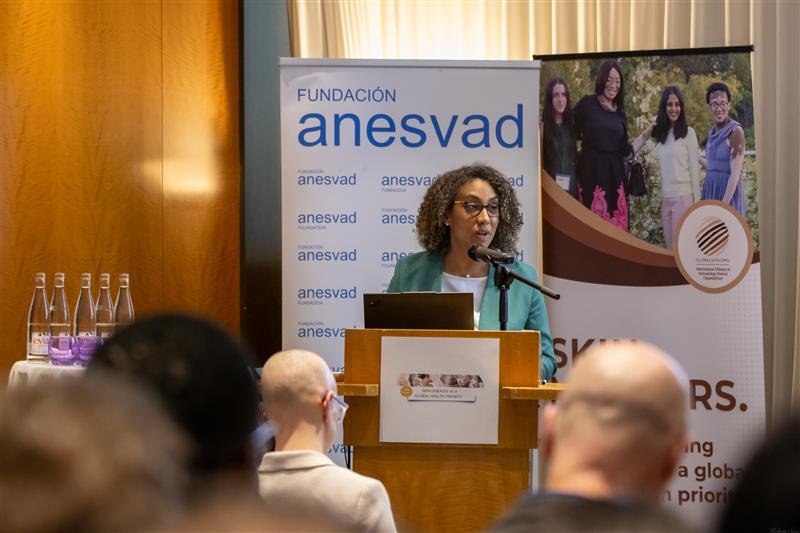
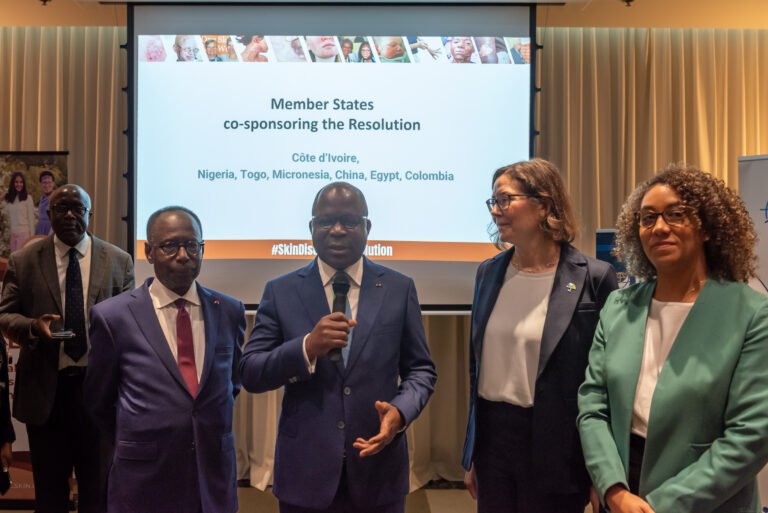
    Geneva, May 2025 — In a historic move to elevate skin health on the global public health agenda, Member States at the 78th World Health Assembly (WHA78) adopted the resolution titled “Skin Diseases as a Global Public Health Priority.” Led by Côte d’Ivoire and co-sponsored by Colombia, China, Egypt, Micronesia, Nigeria, and Togo, the resolution marks a transformative step toward addressing the needs of over 2 billion people affected by skin conditions worldwide. 

    Skin diseases and wounds are among the most common health conditions globally, yet they remain disproportionately neglected in national and international health strategies. The resolution acknowledges the wide-ranging impact of skin conditions, including infectious, autoimmune, genetic, and climate-sensitive diseases, and calls for a comprehensive, integrated response. 

    The resolution mandates the development of a Global Action Plan that will focus on prevention, early detection, effective treatment, and long-term care, while promoting equitable access to affordable, high-quality services and integrating skin health into broader health systems. 

    “This resolution marks a turning point,” said Jennifer Austin, CEO of the International Alliance of Dermatology Patient Organizations (GlobalSkin). “For the first time, the voices of people living with skin diseases have been truly heard by Ministers of Health all around the world. Now, we must work together to turn this commitment into meaningful and lasting action.” 

    “This is a major milestone for global dermatology,” said Prof. Henry W. Lim, President of the International League of Dermatological Societies (ILDS). “It reflects decades of advocacy and scientific progress. The next step is to ensure that implementation is inclusive, well-resourced, and sustainable.” 

    The resolution urges Member States to: 

    • Strengthen primary healthcare systems and workforce training. 
    • Expand access to affordable diagnostics and treatments. 
    • Integrate skin health into disability, rehabilitation, and mental health policies. 
    • Promote research, surveillance, and innovation, including digital tools and tele-dermatology. 

    It also calls on the international community including NGOs, academic institutions, and the private sector to collaborate in supporting implementation, reducing stigma, and advancing access to care. 

    “We were glad to have engaged with Member States throughout the process leading to this resolution,” said Katherine Urbáez, Founder and Executive Director of the Health Diplomacy Alliance. “We are committed to continuing our support for the development, consultation, and implementation of the Global Plan of Action on skin diseases, among all groups and collective efforts of leading organizations.” 

    The success of this resolution will depend on the collaboration of all stakeholders – governments, civil society, healthcare providers, researchers, and patient organizations – to ensure that the forthcoming Global Plan of Action on skin diseases is inclusive, evidence-based, and responsive to the needs of those most affected. 

    This resolution is not just a policy achievement; it is a global commitment to improving the lives of those affected by skin diseases, striving to achieve universal health coverage and ensuring that no one is left behind. 


    Media Contact:
    Fahad Parvez
    Communications Manager
    GlobalSkin
    fahad.parvez@globalskin.org  

  • More Than Medications: The Role of Pharmacists in Medical Device Counselling

    More Than Medications: The Role of Pharmacists in Medical Device Counselling

    It has often been the case that, when people imagine a pharmacist, they picture someone behind the counter, dispensing medications and offering advice on prescriptions. But in today’s modern healthcare landscape, pharmacists are stepping into a more expanded role—one that goes beyond medications to include preventive care and health monitoring.

    In line with this, as noncommunicable diseases are still the leading cause of global mortality, it is becoming more common for patients to use medical devices to monitor and take care of their health. That’s an area where pharmacists can come in, as having medical devices isn’t enough—knowing how to use them correctly is equally important, if not more.

    Pharmacists are recognised as the most accessible healthcare professionals, often the first to see patients with health concerns. Whether it’s a quick blood pressure check at the pharmacy or a discussion about managing blood sugar, pharmacists play a key role in educating patients about their medications and the medical devices that will help them stay healthy.

    For instance, patients newly diagnosed with diabetes are likely instructed to monitor their blood sugar, but without proper guidance, they might struggle with using a glucometer and end up with inaccurate measurements. A pharmacist who can counsel and demonstrate their use will ensure the patient avoids errors and unnecessary complications.

    Yet, despite this crucial role, many pharmacists may not be getting the training they need. A study among graduating BS pharmacy students in Metro Manila, Philippines, found that a significant number had limited knowledge of diabetes management devices, as 51.89% had low knowledge with insulin syringes, 26.89% with insulin pens, and 12.26% with glucometers.

    These numbers highlight an opportunity to integrate more optimized education and training. To equip pharmacists with the necessary skills, pharmacy education must evolve. Some suggestions that can be done include:

    • Curriculum Integration – Medical devices should be a core part of the pharmacy curriculum, with dedicated lessons on their function, proper use, and troubleshooting.
    • Hands-On Training – Practical experience with medical devices should be a standard part of pharmacy education, focusing on technique and counselling.
    • Ongoing Learning – Pharmacists should have access to workshops, certifications, and continuous professional development focused on medical device counselling, factoring in the differences of medical devices per manufacturer.


    As healthcare shifts toward prevention rather than just treatment, pharmacists also have a role to play. By knowing salient points of both medication and medical device counselling, they can further empower patients to take charge of their health. At the end of the day, a pharmacist’s job isn’t just about handing over the medicines listed in a prescription, they make sure that patients have the knowledge and confidence to manage their health effectively. 

    About the Author


    Bill Whilson Baljon is a public health advocate from the Philippines. He is dedicated to promoting health equity and empowering communities through his work in health promotion, policy advocacy, and community engagement.


  • Against the Odds: The Pandemic Agreement’s Path to Consensus

    Against the Odds: The Pandemic Agreement’s Path to Consensus

    Introduction 

    After more than three years of intense negotiations, WHO Member States reached a historic milestone on April 16, 2025, by finalising the pandemic agreement. As WHO member states prepare for the adoption of the “greened” or agreed legal text at the 78th World Health Assembly, it’s worth reflecting on how governments and non-state actors such as civil society organisations and academia have worked to enable success. While entire books can be written to illustrate what it took for the pandemic agreement to be finalized and serve as a foundation for preventing, preparing for and responding to pandemics, in this blogpost I will share highlights, from FOUR PAWS’ perspective as one of the many “relevant stakeholders” in the negotiation process. 


    The Challenges   

    Finishing a treaty in record time 

    The challenge was to finalise an international multi-issue pandemic agreement in record time during an ongoing global health crisis, amid geopolitical tensions and in a UN body that is not a common ecosystem for international treaty negotiations. Member States set the goals of strengthening the international health regulations on the one hand, while also introducing a complementary legal framework to address gaps in pandemic prevention, preparedness, and response. WHO member states took this decision out of necessity, not only to fill the gaps in the global health architecture but to set themselves on a better path than the one they experienced during the pandemic. 

    Expanding the scope of what prevention means   

    While FOUR PAWS was active in several international policy processes, the World Health Organisation was not yet a typical space within which we, as an animal welfare organisation, were present before the pandemic. However, the pandemic made one thing clear: governments cannot fulfil their promise to effectively prevent pandemics without addressing human activities that drive pandemics at the human-animal-environment interface. This realisation, echoed by many non-governmental organisations, experts and institutions, led FOUR PAWS and others from the animal welfare and conservation sector to engage. The scope we considered necessary was not part of the standard measures which public health policies tied to pandemics typically addressed. Traditionally, the focus of the public health sector was on emergencies and the stage after the outbreak. However, when WHO Member States decided to negotiate the pandemic agreement, they added “prevention” and a whole of government and whole of society approach to the scope of the agreement.   

    This was a welcome move. Interventions had to take place at the earliest stage of disease emergence, before communities suffered deadly outbreaks and before public health institutions were confronted with an emergency. Addressing and integrating that policy gap into an international public health debate – within a pandemic agreement that also needed to prioritise health system capacities, pandemic-related health products, and support for implementation and financing, while simultaneously updating the International Health Regulations – was, to put it mildly, very ambitious.  

    Civil society’s access to the negotiations 

    Compared to other international processes, the pandemic agreement negotiations generally offered limited access to CSOs, which made effective engagement a challenge. In other international negotiations, observers have access to the actual negotiation sessions and several spaces to engage with member states. This makes advocacy efforts more effective, as it gives civil society real-time insights into member states’ priorities and concerns, the reasoning behind their positions and an idea on areas where evidence or analysis is needed – ultimately leading to the best use of member states’ and civil society’s time.  


    The ingredients  

    Jenga diplomacy: balancing evidence, dialogue and compromise  

    During the first rounds of the pandemic agreement negotiations, early participation was restricted to online statements during opening and closing sessions. Thanks to persistent advocacy by a few member states and civil society champions, our access to the process gradually increased.  

    Before the 7th Intergovernmental Negotiating Body Session in October 2023, which was the first session when “Relevant Stakeholders” were granted in-person access to the WHO building during the negotiations, our engagement with member states was through policy briefs, bilateral meetings with diplomats and events which member states co-hosted with us. In those interactions, member states shared their challenges, challenged our assumptions, flagged gaps and obstacles, asked for expertise, and guided us on how to be more effective.  

    Throughout the process, despite their differences, we noticed a collective unwavering commitment among diplomats to unlock obstacles. Bridge-building countries, experts and civil society organisations all took the initiative to convene a dialogue, which was conducive to trust-building. This mutual exchange gave us much-needed reality checks, helped us identify academic institutions and allies who were also ready to work with member states to advance the process.  

    Access to the WHO building during the negotiations in late 2023 brought with it a new layer of valuable insights. After several rounds of negotiations, the Bureau’s draft evolved into a member-state-owned text. Just observing which groupings were convening jointly or alone at the building showed us a progression in the interregional dynamics. While in the earlier stages, only a few member states engaged in informal dialogue with member states from other regions, with time, we saw an encouraging increase in outreach and a growing number of interregional huddles as the process advanced. 

    While relevant stakeholders were not allowed to observe the actual negotiations, even after we had access to the building, opportunities including meetings with the Bureau, daily statements in the mornings in plenary, and the possibility in the final negotiation sessions, of hosting side events inside the WHO at a meeting room that was made available for non-state actors were spaces where we could also share our observations and concerns in real time. Interestingly, our participation at the margins of the negotiations and member states’ willingness to engage with relevant stakeholders often gave us a more complete understanding of the positions and flexibilities than what member states shared in the formal negotiation sessions.  

    The Bureau and member states called on CSOs to be constructive and support in advancing the process, which we were increasingly better positioned to do. Stakeholders, including academia, think tanks, CSOs, and member states, all did their parts in bridge-building by hosting workshops, synthesising evidence, and promoting dialogue. 

    The negotiation process often felt like a collective game of Jenga. Each block— regional priorities, expert insights, myth-busting, interregional dialogue—had to be carefully informed by what member states were collectively able to agree to. To avoid collapse, all sides had to make sure every move was agreeable, all sides made concessions. Towards the end, it felt like we all became one global community working together towards a common purpose. 


    Conclusion: A Foundation for the Future 

    The final agreement is not without its flaws. It reflects the compromises of a politically complex time. Yet, it represents a monumental step forward. It not only offers a future-ready foundation that must be further developed to strengthen pandemic prevention, preparedness and response —it’s a testament of global solidarity for health equity, and the recognition that no country can face future health threats alone. 

    The world, despite its many differences, stayed together. The pandemic agreement is more than a legal document—it’s a symbol of our collective commitment to achieve health for all. Health diplomats from every region brought constructive proposals to the table, showing that even in a divided world, unity is achievable. FOUR PAWS is proud to have contributed to this process as one of many stakeholders, and we remain committed to ensuring that prevention and One Health remain central to the future of global health governance. 

    About the Author

    Nina Jamal has been engaged in the WHO Pandemic Agreement Negotiations in her capacity as the International Head on Pandemics & Campaign Strategies at FOUR PAWS International, a global animal welfare organisation for animals under direct human influence. Before taking on that role and since 2013, Nina led the International Campaigns on Farm Animals and Nutrition at FOUR PAWS. Nina also spent several years in the field of climate campaigns and international policy within the UN Framework Convention on Climate Change negotiations. She worked in the private sector on sustainability and at the United Nations Industrial Development Organisation on the implementation of international multilateral environmental agreements. Her academic background is in Environmental Health Sciences, Public Health and International Environmental Policy. 

  • Addressing the Need for Global Public Health Priority of Skin Diseases

    Addressing the Need for Global Public Health Priority of Skin Diseases

    Côte d’Ivoire, together with Nigeria, Togo, Micronesia, China, Colombia and Egypt, is leading an initiative to position skin diseases firmly on the global public health agenda by proposing a World Health Assembly Resolution on “Skin diseases as a global public health priority”. 

    Stimulated by the Universal Health Coverage framework (SDG indicator 3.8.1), a coalition of civil society organisations, including patient groups, healthcare professionals, academia, and philanthropists, has been advocating to reduce the burden of skin diseases globally. These groups are: International Alliance of Dermatology Patient Organisations (GlobalSkin), International League of Dermatological Societies (ILDS), International Foundation for Dermatology, Health Diplomacy Alliance, Anesvad Foundation, Geneva University Hospitals, Neglected Tropical Disease NGO Network, Skin Cross-Cutting Group, World Skin Health Coalition.  [Add photo of logos] 

    Impacting an estimated 2 billion people globally, skin diseases and wounds affect individuals of all ages and are one of the most common reasons for seeking medical help. Yet, they remain disproportionately neglected in national and global health priorities.  Despite their widespread impact, skin diseases are often not prioritised due to their primarily non-fatal nature, resulting in serious health and economic consequences.

    The effects of skin conditions extend beyond physical suffering, including social stigma, mental health impacts, and lost productivity, exacerbating inequalities, particularly in low- and middle-income countries. 

    Skin diseases are increasingly influenced and exacerbated by climate change, affecting the most vulnerable in society.

    Previous initiatives at this level have targeted individual conditions. It is now time to combine these efforts. An integrated strategy will improve health outcomes, access to care, and treatment, particularly for vulnerable populations.
     

    WHO 156th Executive Board – Skin Diseases as a Global Health Priority 

    The 156th Executive Board meeting of the World Health Organisation was held February 3-11, 2025, in Geneva. Deliberations on skin diseases took place on February 5 & 7, highlighting the growing recognition of skin diseases as a global health priority. 

    On February 10, 2025, the 156th WHO Executive Board recommended that theWHA Skin Diseases Resolution proceed for adoption at the 78th World Health Assembly in May 2025.
     

    What will a WHA Resolution on Skin Diseases Achieve? 

    The Skin Diseases Resolution is focused on all skin diseases , including allergies, inflammatory diseases, autoimmune diseases, genetic diseases, vascular diseases, cancers, infections (viral, bacterial and fungal) and rare autoinflammatory diseases. It prioritisesthe perspectives of patients and their caregivers in all aspects of planning and implementation.  

    Key aspects of the Resolution:  

    • Development of a Global Action Plan to establish a framework for addressing skin diseases globally, focusing on prevention, early detection, effective treatment, and long-term care, with specific targets. 
    • Calls for dedicated health investment to expand expertise through training, particularly among primary health care workers, enabling timely diagnosis and effective support for those living with skin diseases. 
    • Supports the expansion of research, surveillance and data collection to provide innovative diagnostic tools and new treatments. 
    • Promotes equitable access to cost-effective, affordable and high-quality treatment 
    • Supports integrated services for skin diseases into current disability, rehabilitation and mental health policies 


    More Support is Needed! 

    Resources have been developed to support civil society in effectively advocating for the adoption of the draft Resolution on Skin Diseases at the 78th World Health Assembly in May 2025. 

    Leading up to and onsite at the WHA78, this campaign seeks to galvanise international support for a Resolution that would drive investment in resources, research, and healthcare interventions. 

    The core campaign objective is to raise awareness about the Skin Diseases Resolution and garner support from Member States to advance this important cause. Support the Campaign. 


    Side-Event during WHA78 

    A high-level event will be held during the week of the 78th World Health Assembly, Tuesday, May 20, 2025, at 18:00 – 20:00. Registration link 

    This critical in-person discussion will centre around the groundbreaking resolution, Skin Diseases as a Global Health Priority”. Traditionally overlooked due to their non-fatal nature, skin diseases impact over 2 billion people worldwide, significantly affecting quality of life and economic productivity. This resolution, led by Côte d’Ivoire and co-sponsored by Colombia, China, Egypt, Micronesia, Nigeria, and Togo, marks a transformative shift in global health policy, advocating for an integrated, patient-centred response to skin health. 

    This event will explore how the proposed resolution: 

    Recognises the broad impact of skin diseases—beyond their medical symptoms, they impose substantial social, psychological, and financial burdens. The resolution promotes holistic care that addresses stigma, mental health, and patient well-being. 

    Strengthens primary healthcare systems by urging Member States to integrate skin care into routine healthcare services, enhance diagnostic capabilities, and invest in healthcare workforce training. 

    Mobilises resources and innovation—calling on governments, donors, and civil society to fund sustainable solutions, including digital diagnostics and teledermatology, to reach underserved communities. 

    Ensures sustained global action—encouraging ongoing dialogue, national action plans, and regular updates at the World Health Assembly to adapt to emerging challenges, including climate-related skin health concerns. 

    Conclusion

    Improving skin health globally requires integrated care models that include dermatological management, wound care, prevention of loss of function, and mental health support. Investments in training healthcare workers, particularly on the frontline, and research into social determinants of skin diseases are essential. Advocacy and funding should enhance research capacity, develop diagnostic tools and treatments, and expand skin health databases to optimise resource allocation and evaluate interventions. Addressing the impact of climate change on skin health through tailored research and healthcare provider training is also critical.  

    These efforts aim to achieve “Skin Health for All,” improving health outcomes and economic productivity by addressing the medical and socioeconomic impacts of skin diseases worldwide. 

    By working together, we can ensure the adoption of the Skin Diseases Resolution and prioritise skin health for all. 

    Acknowledgements: Much gratitude to Côte d’Ivoire and co-sponsors Colombia, China, Egypt, Micronesia, Nigeria, and Togo for their leadership in making skin health a public health priority.  

    The International Alliance of Dermatology Patient Organisations (also known as GlobalSkin) is a unique global alliance, committed to improving the lives of skin patients worldwide. We nurture relationships with members, partners and all involved in healthcare, building dialogue with decision-makers around the globe to promote patient-centred healthcare. GlobalSkin works to empower its more than320 patient association members ─ located in 74 countries, representing more than59 disease areas ─ to reach more patients and provide them with greater support, education, and advocacy. Globalskin.org 

    About the Author

    Jennifer joined the International Alliance of Dermatology Patient Organizations (GlobalSkin) as Executive Director in 2016 – one short year after the organization was founded – and became Chief Executive Officer in 2021. Jennifer has been a key architect in building the organization, including its vibrant and connected global community of dermatology patient organizations. 

    Jennifer Austin is a skilled strategist, seasoned leader and committed patient advocate with nearly 30 years of experience in communications, organizational growth, and stakeholder engagement. Her career has included senior leadership positions in Canada’s Parliament and several national NGOs.  

    She provides patient perspective input and strategic advice to a variety of bodies including the WHO’s Civil Society Commission, Patient-Focused Medicines Development (PFMD) Board of Directors, and International League of Dermatological Societies’ Patient Organisations Working Group.

  • SDG Olympiads 2025: Empowering Global Youth in Geneva

    SDG Olympiads 2025: Empowering Global Youth in Geneva

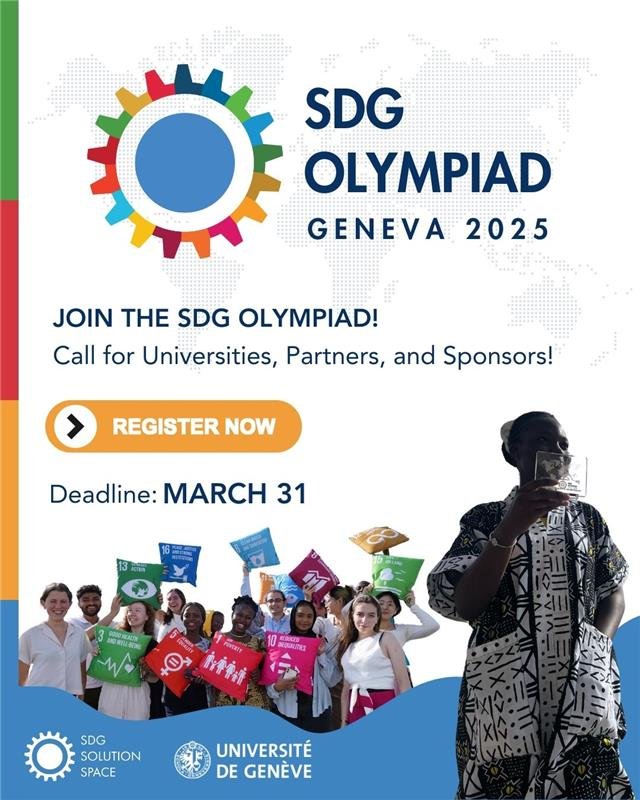
    The SDG Olympiads 2025 are set to take place in Geneva, Switzerland, from October 10 to 13, 2025, hosted at the University of Geneva’s SDG Solution Space. This global competition brings together students to co-create innovative solutions aligned with the United Nations Sustainable Development Goals (SDGS).

    Building on the success of the 2024 edition in Paris, the 2025 Olympiads will focus on Planetary Health, emphasising the impact of climate change on human health. Participants will engage in team-based problem-solving, utilising tools like citizen science and artificial intelligence to address critical data gaps essential for achieving the SDGS.

    The event is part of a broader educational program that supports projects developed during the SDG Summer Schools and other innovation events worldwide. Selected teams will receive coaching to refine their prototypes, engage stakeholders, and prepare for the final showcase in Geneva, where an international jury will evaluate their solutions.

    Students interested in participating can apply through the University of Geneva’s Geneva Summer Schools website, with the application deadline set for April 30, 2025. Université de Genève

    For more information and to express interest in participating, visit the SDG Olympiad 2025 official page.