Category: Youth Network

  • Likes, Shares, and Side Effects: Misinformation’s Effects on Health
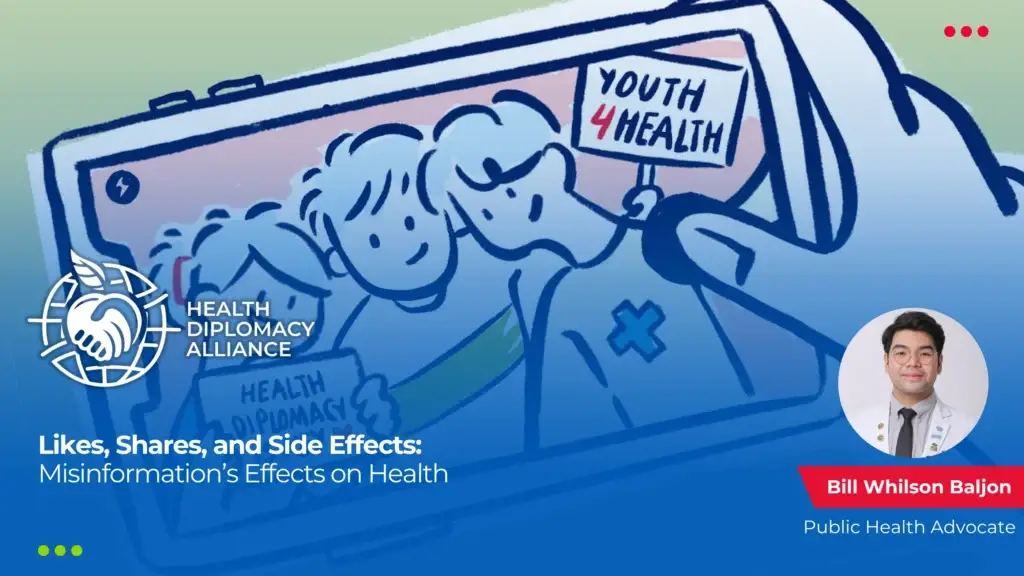
    Likes, Shares, and Side Effects: Misinformation’s Effects on Health

    Source – Authors

    In today’s era of information access and AI, it is becoming increasingly difficult to separate truth from well-made AI-generated content. Identifying AI becomes especially challenging because people aren’t usually in a discerning mindset when scrolling through the internet. Most of the time, they’re simply looking to relax and be distracted.

    That might be (debatably) fine when it comes to funny videos or memes, but it’s a very different story when health information is involved.

    It is now common for people to look up what help they need before they go to a doctor. This information helps them identify the type of care they receive, its costs, and how to exercise home remedies before they need to go to a medical professional. It follows that they must be informed with information that’s accurate, relevant, timely, up to date, and transparent. However, because of limited skills to access good quality health information, people tend to rely on information derived from social media, friends, and, increasingly, AI tools like ChatGPT.

    Online platforms such as Twitter, Facebook, YouTube, and Instagram are common sources of fast and easy information; however, this space also propagates harmful practices as they may provide people with misleading or biased, inaccurate, and poor-quality health information. This practice of misinformation (false or inaccurate information deliberately intended to deceive) and disinformation (deliberately misleading or biased information; manipulated narrative or facts; and propaganda) is one of the most rampant problems in healthcare that affects our generation.

    The situation has escalated to the point that healthcare systems’ efforts to eliminate life-threatening diseases have been severely impacted. In the Philippines, a state of panic broke out in 2019 following the re-emergence of polio, a disease previously declared eradicated in the country. This resurgence was closely linked to the widespread misinformation stemming from the dengue vaccine “Dengvaxia” controversy in 2017, where exaggerated claims about vaccines causing severe side effects or even death led to a sharp decline in public trust in immunization programs. As a result, misinformation became a key barrier to polio eradication efforts, with fear and vaccine hesitancy hampering the country’s disease prevention campaigns.

    To this day, low public trust in vaccination continues to affect routine immunization efforts, shown by a childhood immunization rate of 61%, far below the 95% target, leaving many children vulnerable to otherwise preventable deadly diseases.

    At the same time, while AI-powered tools offer unprecedented access to knowledge, their downsides must not be overlooked. AI models generate content based on vast datasets, but they do not inherently distinguish fact from fiction. Without proper verification, public information may be based on AI hallucinations. This complicates people’s ability to find genuinely evidence-based health information, which in turn may affect their health-seeking behavior. If individuals begin to mistrust physicians or delay consultations because of inaccurate online advice, the doctor–patient relationship may weaken, leading to poorer adherence to medical advice and potentially worse health outcomes.

    On the bright side, these infodemics and misinformation can be effectively addressed through multisectoral initiatives implemented at both macro and micro levels. While government interventions of developing legal measures and policies in the scene are essential, corresponding support must be provided in youth and community settings. Campaigns should aim to create awareness, improve health-related content, build trust in credible health organizations and experts, and generally enhance people’s literacy in both digital and health aspects for them to better assess and identify misinformation.

    Young people play a pivotal role in this dynamic landscape. With their strong online presence, young people are often the first to encounter, share, or challenge health-related content. Their digital fluency enables them to quickly amplify both accurate and inaccurate information. Harnessing this potential requires targeted interventions that empower youth to become responsible digital citizens. Training programs, peer-led campaigns, and collaborations with student and youth organizations can help shape a culture of critical thinking and fact-checking.

    Several global and local initiatives provide examples of how to effectively combat misinformation. For instance, the S.U.R.E. campaign in Singapore effectively combined government messaging, media partnerships, and youth ambassadors to promote fact-checking habits. Similarly, in the Philippines, UNICEF worked with Meta to analyze vaccine hesitancy trends and organize campaigns to increase confidence in routine vaccination. These examples highlight that coordinated strategies combining digital literacy, community engagement, and credible messengers can mitigate the harms of misinformation and restore confidence in healthcare.

    As the world grapples with the double-edged sword of digital and AI-driven information, safeguarding public health depends on more than just regulation. It requires a culture of discernment, responsibility, and trust. AI and social media will remain central in how people access health knowledge, but the key lies in empowering individuals, especially the youth, to navigate this landscape wisely. Let’s utilize the strategies offered by successful case studies and foster collaboration across sectors and societies to ensure health communication’ purpose: to inform, protect, and improve lives.

    About the Authors


    Bill Whilson Baljon is a pharmacist and public health advocate from the Philippines. He is dedicated to promoting health equity and empowering communities through his work in health promotion, policy advocacy, and community engagement. 


     Abigail Salen is a multimedia artist from the Philippines. She aims to utilize visual communication in health promotion and sustainable development, all dedicated to design for good.

    They are the co-founders of Yay! I’m Sober, a health awareness initiative in the Philippines that engages youth, businesses, and civil society organizations to encourage tobacco and alcohol cessation using youth-driven, inclusive, and supportive messaging.

  • More Than Medications: The Role of Pharmacists in Medical Device Counselling

    More Than Medications: The Role of Pharmacists in Medical Device Counselling

    It has often been the case that, when people imagine a pharmacist, they picture someone behind the counter, dispensing medications and offering advice on prescriptions. But in today’s modern healthcare landscape, pharmacists are stepping into a more expanded role—one that goes beyond medications to include preventive care and health monitoring.


    In line with this, as noncommunicable diseases are still the leading cause of global mortality, it is becoming more common for patients to use medical devices to monitor and take care of their health. That’s an area where pharmacists can come in, as having medical devices isn’t enough—knowing how to use them correctly is equally important, if not more.


    Pharmacists are recognised as the most accessible healthcare professionals, often the first to see patients with health concerns. Whether it’s a quick blood pressure check at the pharmacy or a discussion about managing blood sugar, pharmacists play a key role in educating patients about their medications and the medical devices that will help them stay healthy.


    For instance, patients newly diagnosed with diabetes are likely instructed to monitor their blood sugar, but without proper guidance, they might struggle with using a glucometer and end up with inaccurate measurements. A pharmacist who can counsel and demonstrate their use will ensure the patient avoids errors and unnecessary complications.


    Yet, despite this crucial role, many pharmacists may not be getting the training they need. A study among graduating BS pharmacy students in Metro Manila, Philippines, found that a significant number had limited knowledge of diabetes management devices, as 51.89% had low knowledge with insulin syringes, 26.89% with insulin pens, and 12.26% with glucometers.


    These numbers highlight an opportunity to integrate more optimized education and training. To equip pharmacists with the necessary skills, pharmacy education must evolve. Some suggestions that can be done include:


    • Curriculum Integration – Medical devices should be a core part of the pharmacy curriculum, with dedicated lessons on their function, proper use, and troubleshooting.


    • Hands-On Training – Practical experience with medical devices should be a standard part of pharmacy education, focusing on technique and counselling.


    • Ongoing Learning – Pharmacists should have access to workshops, certifications, and continuous professional development focused on medical device counselling, factoring in the differences of medical devices per manufacturer.


    As healthcare shifts toward prevention rather than just treatment, pharmacists also have a role to play. By knowing salient points of both medication and medical device counselling, they can further empower patients to take charge of their health. At the end of the day, a pharmacist’s job isn’t just about handing over the medicines listed in a prescription, they make sure that patients have the knowledge and confidence to manage their health effectively. 

  • From Policy to Action: Strengthening Alcohol Control Efforts in the Philippines

    From Policy to Action: Strengthening Alcohol Control Efforts in the Philippines

    Alcohol consumption is a major public health concern, contributing to significant economic, social, and health-related burdens worldwide. With approximately 3 million deaths annually, alcohol accounts for 5.3% of global mortality and 5% of disability-adjusted life years (DALYs). The consequences of alcohol use extend beyond the individual, affecting communities, families, and healthcare systems.

    Alcohol is linked to various health conditions, including injuries, digestive disorders, and cardiovascular diseases. Young adults aged 20 to 39 are especially vulnerable, making up 14% of alcohol-attributable deaths. The global burden of diseases related to alcohol accounts for 5.1% of all diseases and injuries worldwide. Furthermore, alcohol-related harm extends beyond the drinker, affecting families, communities, and society at large.

    Beyond its health implications, alcohol consumption poses a substantial economic burden. The costs associated with alcohol-related harms contribute to financial losses, increased healthcare expenditures, and productivity declines. Studies suggest that the economic costs of alcohol-related harm account for approximately 0.01% of a country’s Gross Domestic Product (GDP). Research also indicates that higher alcohol consumption correlates with a greater disease burden, highlighting the need for stronger preventative measures to mitigate its rising economic impact.

    Moreover, alcohol consumption is linked to various social issues, including absenteeism, domestic violence, community disturbances, and increased mortality. It can also impose a significant burden on families, affecting the emotional, financial, and psychological well-being of caregivers, particularly spouses. 

    Countries worldwide implement various policy interventions to address alcohol-related harms. The World Health Organization also released guidelines on how to implement alcohol control initiatives within member states such as the SAFER initiative, which encompasses the five most cost-effective interventions for reducing alcohol harm.

    The SAFER initiative includes activities that aim to:

    • Strengthen restrictions on alcohol availability;
    • Advance and enforce drink driving counter measures;
    • Facilitate access to screening, brief interventions and treatment;
    • Enforce bans or comprehensive restrictions on alcohol advertising, sponsorship and promotion; and,
    • Raise prices on alcohol through excise taxes and pricing policies. 


    Taking the Philippines as an example, it has been identified that cultural norms, aggressive marketing, and public health challenges contribute to high alcohol consumption rates. Among young people, alcohol preferences are often influenced by product type and pricing. Alarmingly, alcohol marketing has also been linked to an increase in drunkenness among students.

    The Philippine government has implemented several alcohol control laws such as:

    • Sin Tax Reform Law (RA 10351), was legislated in December 2012, with the dual goals of (1) curbing cigarette and alcohol consumption, and (2) raising funds to finance the implementation of Universal Health Care (UHC) activities, programs to meet Developmental Goals, and viable alternative livelihood for tobacco farmers.
    • Excise Taxes on Alcohol and E-Cigarettes (RA 11467), passed in 2020, increased the excise taxes on alcohol products, electronic cigarettes (e-cigarettes), and heated tobacco products (HTPs). The additional revenue funds the Universal Health Care (UHC) efforts such as additional medical assistance and support to local governments, and the Sustainable Development Goals (SDGs).
    • Anti-Drunk and Drugged Driving Act (RA 10586), enacted in 2013, penalized the acts of driving under the influence of alcohol, dangerous drugs, and other intoxicating substances.


    However, there are estimates, through the Philippines’ national nutrition survey, that the number of adolescents (aged 10-19 years old) who consume alcohol monthly has doubled from 2021 to 2023 – citing an alcohol epidemic within the country. This highlights a need to evaluate the current efforts and policies targeted towards reducing alcohol consumption. 

    One of the reasons why policy efforts to reduce alcohol consumption in the Philippines face significant challenges may be the deep-rooted ties between alcohol companies and the national government. Major alcohol producers are not only key players in the beverage industry but also prominent contributors to national infrastructure projects, donation drives, and other corporate social responsibility initiatives. This likely influences major policy decisions, often tilting the scales in favor of these corporations when it comes to regulating alcohol marketing and consumption.

    Despite these challenges, various organizations across the country continue to push for stronger alcohol harm reduction measures. Last year, these groups united in advocating for the designation of September as National Alcohol Harms Awareness Month, established a Community of Practice with clinicians, government agencies, civil society organizations, and researchers, spearheaded studies on alcohol policies, and launched extensive information and education campaigns. Yet, political will and public support are crucial to driving meaningful change.

    As Filipinos often say, “Malayo na, pero malayo pa”—we’ve come far, but there is still a long way to go. The fight against alcohol harms is far from over, and now, more than ever, is the time to keep pushing forward.

    About the Author


    Bill Whilson Baljon is a public health advocate from the Philippines. He is dedicated to promoting health equity and empowering communities through his work in health promotion, policy advocacy, and community engagement.