






Tag: governance

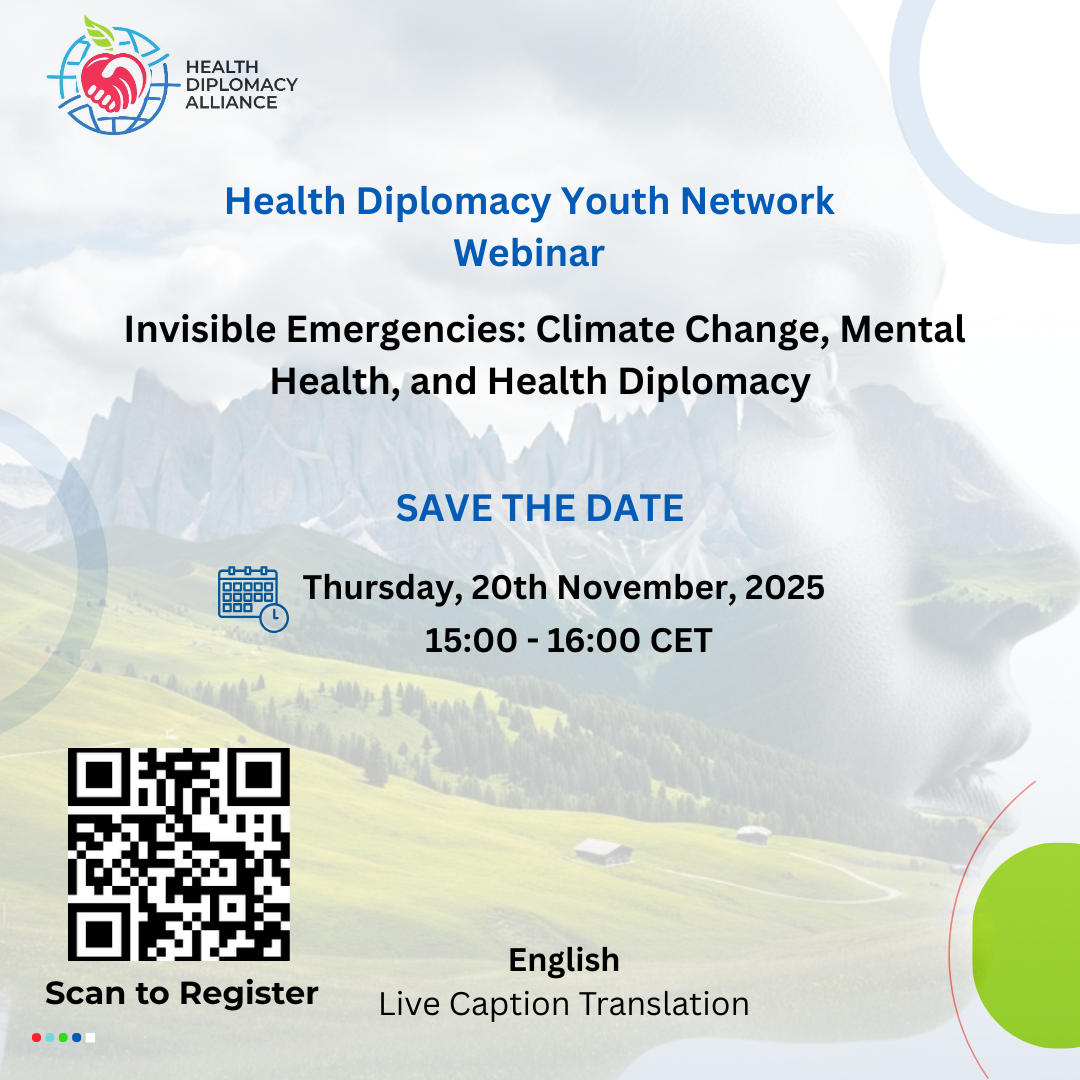
  • Invisible Emergencies: Climate Change, Mental Health, and Health Diplomacy

    Invisible Emergencies: Climate Change, Mental Health, and Health Diplomacy

    As climate impacts intensify, exacerbating trauma, food insecurity, displacement, and health inequities, mental health continues to be overlooked in climate strategies, underscoring the need for integrated action. Held in the wake of the Health Day deliberations at COP30, the webinar organized by the Health Diplomacy Youth Network responded to growing recognition of the psychological toll of climate change on vulnerable and climate-affected communities. With participation from youth leaders, environmental psychology experts, and community mental health practitioners, the session brought mental health to the forefront of climate diplomacy.

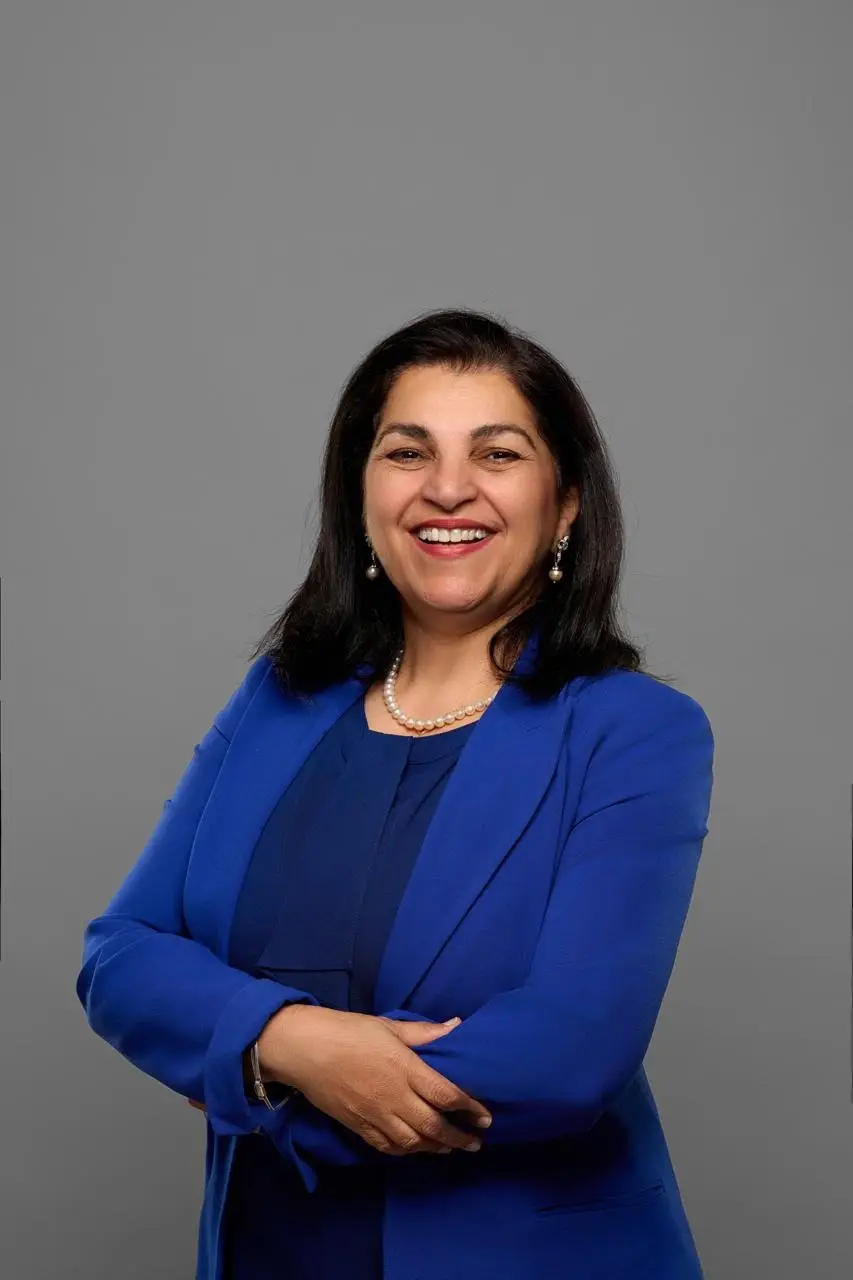
    Ayesha Ali, Coordinator of the Commonwealth Youth Health Network, opened the session by highlighting the gap between policy commitments and real-world access to mental health services in climate-vulnerable regions, especially for women, rural populations, and young people.

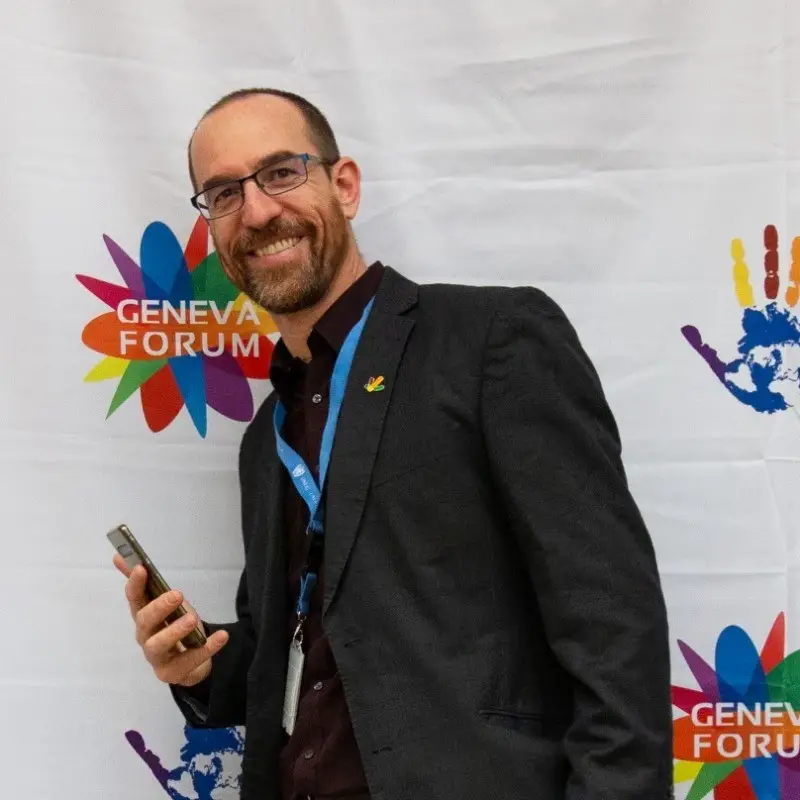
    Matteo Consiglio, Lead, Food and Water Systems, Swiss Youth for Climate, underscored how climate-driven food insecurity contributes to anxiety, stress, and psychosocial instability, calling for stronger links between food systems, environment, and public health.

    Dr. Jakub S. Bil, Universal Health Coverage Working Group Co-Chair, Global Mental Health Action Network, emphasized community-based and rights-based mental health approaches, noting that climate impacts frequently compound pre-existing trauma and inequities, and stressed co-design of solutions with affected communities as central to sustainable implementation.

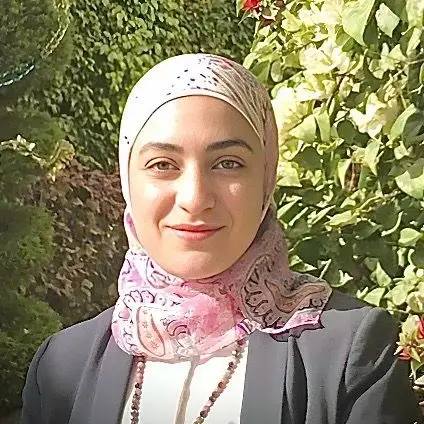
    Dr. Harshita Umesh, Focal Point, Health Working Group, YOUNGO, highlighted the limited integration of mental health within UNFCCC processes and called for mental health to be embedded across adaptation and disaster response mechanisms, while Dion Ras, Executive Committee Member, International Association for Youth Mental Health, brought a grassroots lens, emphasizing peer support, lived experience, and the need for accessible, youth-informed systems of care in the face of climate stressors.

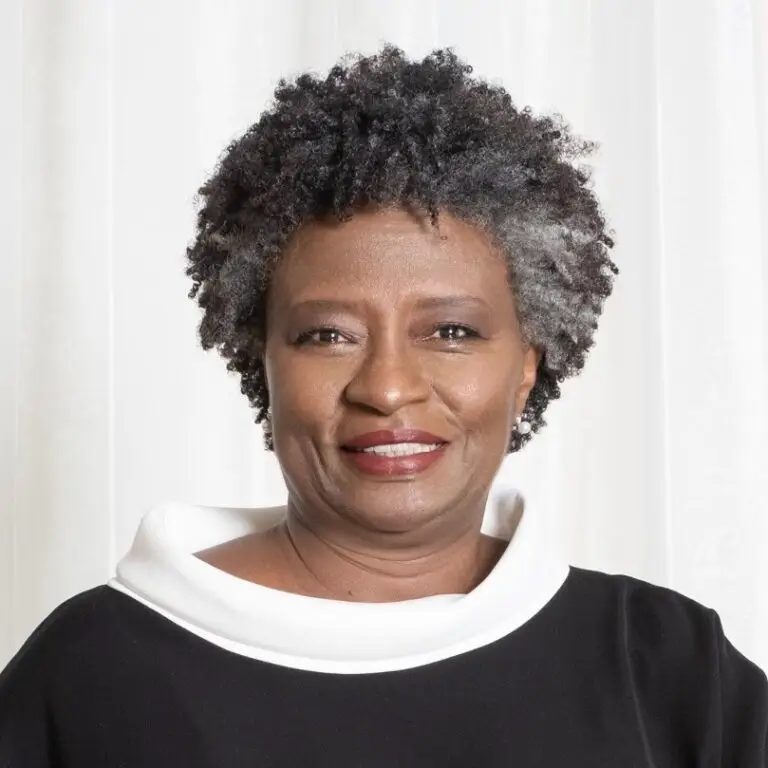
    During the panel discussion, Ebunoluwa Ayinmode steered a conversation that underscored the gap between policy ambition and implementation, the invisibility of cumulative climate-related trauma in formal frameworks, and the need for health diplomacy to align institutions, communities, and youth constituencies around shared priorities

    This event marks an important step in elevating the climate–mental health objectives enshrined in the Belem Health Action Plan by mobilizing diverse expertise, amplifying youth and community voices, and identifying practical pathways for integrated, equity-focused action. The Health Diplomacy Youth Network remains committed to advancing diplomatic engagement, intergenerational collaboration, and evidence-based advocacy to ensure that mental health becomes a central pillar of climate resilience.

  • From Fragmentation to Alignment: Redesigning Global Health Architecture for 2030 and Beyond

    From Fragmentation to Alignment: Redesigning Global Health Architecture for 2030 and Beyond

    Image source – A. Vesakaran on Upsplash 

    The COVID-19 pandemic triggered the largest surge in global health financing in recent history, prompting pledges of reform and solidarity across nations, donors, and institutions. Five years later and just five years before the end of the Sustainable Development Goals timeline in 2030, critical questions remain: Has global health architecture truly evolved? Are countries more prepared and in control of their health systems?

    Evidence from the Global Health Expenditure Database (April 2025) reveals that low-income countries still rely heavily on foreign aid, which accounts for more than 25% of their total health expenditure. In contrast, government expenditure on health remains low, with most countries allocating less than 10% of their national budgets to the sector. Despite repeated commitments, including the Abuja Declaration’s 15% target, domestic financing remains inadequate, and health systems continue to underperform.

    Systemic Challenges

    • Donor Overreach and Parallel Systems: Donor funding often flows through fragmented vertical programs (e.g., HIV, malaria, immunization), bypassing national health strategies and creating duplication. This undermines long-term sustainability and weakens institutional capacity.
    • Lack of Coherent Governance: There is no binding global framework to hold donors accountable to national priorities. Despite efforts such as the Lusaka Agenda and updates to the International Health Regulations (IHR), donor coordination remains voluntary and inconsistent.

    • Neglect of Primary Health Care: According to GHED data, less than 30% of government health spending in many low- and middle-income countries is allocated to primary health care. Instead, spending is concentrated on curative services and disease-specific interventions, leaving frontline systems underfunded.
    • Weak Integration of Evidence into Decision-Making
    Despite growing access to global guidance and data, many countries still face challenges in translating evidence into policy and practice. Capacity gaps in data analysis, health economics, and implementation science often due to underinvestment in local institutions, limit the ability to make strategic choices, assess trade-offs, or negotiate effectively with external partners.

    What Reform Should Look Like

    Legally Binding Frameworks for Donor Coordination:
    Integrate donor alignment and transparency requirements into global governance instruments such as the International Health Regulations. Donors should be obligated to report funding through national health accounts and align with country-led strategies.

    Country-Led Health Investment Compacts:
    Shift from fragmented projects to co-financed national health compacts, where governments and development partners co-develop health system investment plans. These compacts should be reviewed publicly and embedded in national budget and monitoring frameworks.


    Strengthen Regional Leadership and Sovereignty:
    Empower regional organizations such as Africa CDC, WAHO, and the Southern African Development Community (SADC) Health Desk to lead pooled procurement, local pharmaceutical regulation, and cross-border surveillance. Establish continental public dashboards for health security financing.


    Rebalance Spending Toward System Foundations:
    Redirect funding toward primary care, community health workers, health infrastructure, and public health surveillance. Governments should recommit to the Abuja target of allocating at least 15% of their total budgets to health.


    Fund Southern Institutions and Knowledge Platforms:
    Increase investment in Africa-based research institutions, policy think tanks, and civil society groups to ensure global policy and guideline development reflects the realities and leadership of the Global South.


    Conclusion

    The architecture of global health remains tilted toward external control, vertical programs, and fragmented governance. Reform must go beyond temporary initiatives or rhetorical solidarity. It must be rooted in enforceable rules, long-term financing, regional agency, and country-driven accountability. With just five years left to achieve the Sustainable Development Goals, the time to shift power, rebuild trust, and design a resilient, equitable, and accountable global health system is now.

    References

    1. World Health Organization. (2025) Global Health Expenditure Database (GHED): April 2025 Release. https://apps.who.int/nha/database
    2. The Future of Global Health Initiatives (FGHI) Report. (2023) A vision for evolution: Aligning GHIs with country systems. https://www.futureofghis.org
    3. Kickbusch, I., & Aginam, O. (2021). Reforming the Global Health Architecture: The Road to Equity and Effectiveness. Geneva Global Health Hub. https://www.g2h2.org/posts/reforming-global-health-architecture
    4. Center for Global Development. (2023). It’s Time to Change: Reforming the Global Health Architecture. https://www.cgdev.org/blog/time-change-reforming-global-health-architecture
    5. World Health Organization. (2024). Strengthening the Global Architecture for Health Emergency Preparedness, Response and Resilience (HEPR). https://www.who.int/publications/i/item/9789240060616
    6. United Nations. (2023). Progress towards the Sustainable Development Goals: Report of the Secretary-General. https://unstats.un.org/sdgs/report/2023
    7. Africa Centres for Disease Control and Prevention (Africa CDC). (2022). New Public Health Order for Africa. https://africacdc.org/download/the-new-public-health-order-for-africa
    8. Marten, R., & Smith, R. D. (2023). Power shifts in global health: Are we there yet? BMJ Global Health, 8(1), e010248. https://gh.bmj.com/content/8/1/e010248

    About the Author


    Ebunoluwa Ayinmode is a global health professional and Program Manager at WAFERs. Her niche is health systems, guidelines, and policy. She champions locally driven strategies and amplifies African voices in global health, bridging diplomacy, data, and grassroots action.

  • International Day of Women in Diplomacy

    International Day of Women in Diplomacy

    The Health Diplomacy Alliance is proud to commemorate the International Day of Women in Diplomacy

    Established by UN General Assembly Resolution A/RES/76/269* on 20 June 2022, this day reaffirms the vital contributions of women to diplomacy and multilateral decision‑making. Despite steady progress, significant disparities in representation persist across global and regional institutions:

    • Between 1992 and 2019, women made up only 13% of peace negotiators, 6% of mediators, and 6% of agreement signatories in major peace processes.

    • Since 1947, only 7% of all UN permanent representatives have been women, and as of 2024, women account for just 21% of current UN ambassadors.

    • In Latin America and the Caribbean, the proportion of women serving as ambassadors remains uneven, averaging 25% across the Americas, but as low as 18.8% in South America.

    These figures underscore the enduring challenges women face in breaking into the highest levels of diplomacy, especially within multilateral systems.

    To mark this occasion, we are pleased to feature reflections and quotes from distinguished women in diplomacy, amplifying their voices and perspectives. Their words offer insight into the realities, achievements, and aspirations of women shaping international policy and peacebuilding efforts.

    H.E. Tufigno
    S.E. Fca Mendez
    H.E. Hend Al Muftah
    Dr. Bustreo
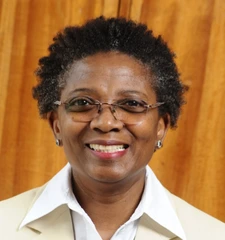
    Tlalane Augustina Sebeko
    Dr. Pizarro Ibañez
    Ms.Maria_Juliana_Tenorio_Quintero


    For further information, please explore our featured resources :

    *Supported by: Algeria, Angola, Antigua and Barbuda, Argentina, Armenia, Australia, Azerbaijan, Bahamas, Bahrain, Bangladesh, Barbados, Belize, Benin, Bhutan, Bolivia (Plurinational State of), Bosnia and Herzegovina, Botswana, Brazil, Bulgaria, Burkina Faso, Burundi, Cabo Verde, Canada, Chile, China, Colombia, Costa Rica, Côte d’Ivoire, Dominican Republic, Ecuador, Egypt, El Salvador, Equatorial Guinea, Eritrea, Ethiopia, Fiji, Gabon, Gambia, Georgia, Ghana, Greece, Grenada, Guatemala, Guyana, Haiti, Honduras, India, Indonesia, Iraq, Ireland, Israel, Jamaica, Japan, Jordan, Kazakhstan, Kenya, Kiribati, Kuwait, Kyrgyzstan, Lao People’s Democratic Republic, Latvia, Lebanon, Lesotho, Libya, Luxembourg, Madagascar, Malawi, Malaysia, Maldives, Mali, Malta, Marshall Islands, Mauritania, Micronesia (Federated States of), Monaco, Mongolia, Morocco, Mozambique, Namibia, Nepal, New Zealand, Nigeria, North Macedonia, Oman, Pakistan, Palau, Panama, Papua New Guinea, Paraguay, Peru, Philippines, Qatar, Russian Federation, Rwanda, Saint Kitts and Nevis, Saint Lucia, Saint Vincent and the Grenadines, Samoa, Sao Tome and Principe, Saudi Arabia, Senegal, Seychelles, Sierra Leone, Singapore, Slovenia, Solomon Islands, South Africa, Sri Lanka, Suriname, Tajikistan, Thailand, Timor-Leste, Togo, Trinidad and Tobago, Tunisia, Türkiye, Turkmenistan, Tuvalu, Uganda, Ukraine, United Arab Emirates, United Republic of Tanzania, Uruguay, Uzbekistan, Vanuatu, Venezuela (Bolivarian Republic of), Viet Nam, Yemen and Zimbabwe.
  • Rethinking Health Financing: A Dialogue on Sustainable and Innovative Health Financing Solutions

    Rethinking Health Financing: A Dialogue on Sustainable and Innovative Health Financing Solutions

    Experts gathered to tackle the pressing issue of sustainable health financing in the Health Diplomacy Alliance side event “Investing in Health Financing: Building a Resilient and Sustainable Healthcare System,” on the sidelines of the 78th World Health Assembly.  


    Ms. Katherine Urbaez, Executive Director of the Alliance, as part of the Pillars of work of the organisation, opened and moderated the event by highlighting the urgency of sustainable health financing amid global disruptions impacting health and development. She noted that Official Development Assistance has largely stalled over the past decade while rising security and emergency costs strain health budgets. 


    To address this, health diplomacy plays a key role in balancing global solidarity with national ownership and securing predictable support for institutions like the WHO. Many initiatives are being undertaken by countries, such as tax reforms, reprioritising health in national budgets, and fostering Public-Private Partnerships with transparent governance. 


    The discussion focused on two streams: national and regional pathways, and innovative approaches to health financing, but all within today’s complex geopolitical context and the need for resilient health systems. 


    Dr. Jean Kaseya, Director General of Africa CDC, emphasised a bold paradigm shift: “The plan is not to fill gaps, it’s to rethink the system of health financing.”  


    He stressed the urgent need for sovereign control over health strategies and budgets, calling for “strong governance, data-driven systems, and public-private partnerships to measure and deliver results.” Dr. Kaseya also pointed out that only 16 African countries currently have concrete plans to achieve SDG3, pressing the question: “How much money is actually needed and what is the return on investment?” 


    The role of domestic resources and innovative financing mechanisms, such as health taxes, was another focal point. “We need to rethink multilateralism,” Dr. Kaseya said, recognising the steep decline in ODA and the growing demand for countries to “do more with less.” 


    This call for realignment and efficiency was echoed throughout the discussions and highlighted regional cooperation efforts that focused on better governance and increased impact. Dr. Kaseya also presented Africa’s Health Financing in a New Era, a comprehensive strategy that radically transforms how health systems are financed in Africa.  


    Hon. Dr. Amr Kandeel, Assistant Minister of Health of Egypt, highlighted the pressure of global inflation and supply chain disruptions on health systems. He emphasised Egypt’s commitment to Universal Health Coverage through the Universal Health Insurance system, which has already quadrupled the health budget in its second phase. 


    Hon. Dr. Kandeel stressed the importance of investing in digital infrastructure, workforce development, and prevention, while promoting inclusive governance and public-private partnerships to build an equitable and sustainable health system. 


    During the discussion on the new innovative approaches to health financing, Dr. Mary-Ann Etiebet, CEO of Vital Strategies, outlined the “triple shocks” battering health systems: stagnant development aid, tightening government budgets, and increasing pressures from non-communicable diseases, climate shocks, and demographic shifts.  


    She spotlighted health taxes – particularly on sugar and tobacco – as powerful tools to sustain health system funding while promoting accountability, transparency, and good governance. Dr. Etiebet drew attention to a 2024 report by the Task Force on Fiscal Policy for Health and noted that a 50% excise tax increase on tobacco, alcohol, and sugary drinks could generate an estimated $3.7 trillion globally over five years. 


    She called for better governance and management, as well as smarter data infrastructure to help governments prioritize spending effectively. 


    Dr. Karlee Silver, CEO of Grand Challenges Canada, brought a grassroots innovation perspective, illustrating how catalytic capital – blended grants, loans, and equity – can overcome market failures and scale promising health innovations.  


    She shared that local solutions supported by the Grand Challenges platform in Ghana are addressing real maternal and child health problems. 


    Dr. Silver stressed the importance of rethinking the system and pulling the full weight of innovative approaches, pointing to development impact funds and results-based financing as mechanisms that can accelerate change. 


    Leslie Rae Ferat, President of the NCD Alliance and Executive Director of the Global Alliance for Tobacco Control, underscored the importance of WHO’s “best buys,” particularly taxes on tobacco, sugary drinks, and alcohol, which generate significant government revenue while reducing consumption of these harmful products. 


    She cautioned that non-communicable diseases (NCDs), responsible for 80% of preventable deaths, amplify vulnerability to health crises like COVID-19. This dual effect lowers the risk of non-communicable diseases, leading to better public health and long-term savings for health systems. 


    Finally, Dr. Ballkis Abdelmoulla, member of the WHO Youth Council, highlighted the often-overlooked human resource crisis in health: brain drain, poor infrastructure, and harsh working conditions in rural areas. Criticising siloed donor funding and disparities between private and public care quality, she called for “bottom-up interventions” and better coordination among donors to support national NCD goals such as cervical cancer screening and HPV vaccination. 


    This dialogue made clear that building resilient and sustainable health systems requires a blend of national ownership, innovative financing, strong governance, and coordinated multilateral efforts. The path forward is complex but critical, demanding both visionary policies and practical tools to transform health financing amid a rapidly evolving global context.