Tag: health diplomacy

  • Health Diplomacy in Fostering Regional Cooperation: From Access to Sustainable Solutions in health

    Health Diplomacy in Fostering Regional Cooperation: From Access to Sustainable Solutions in health

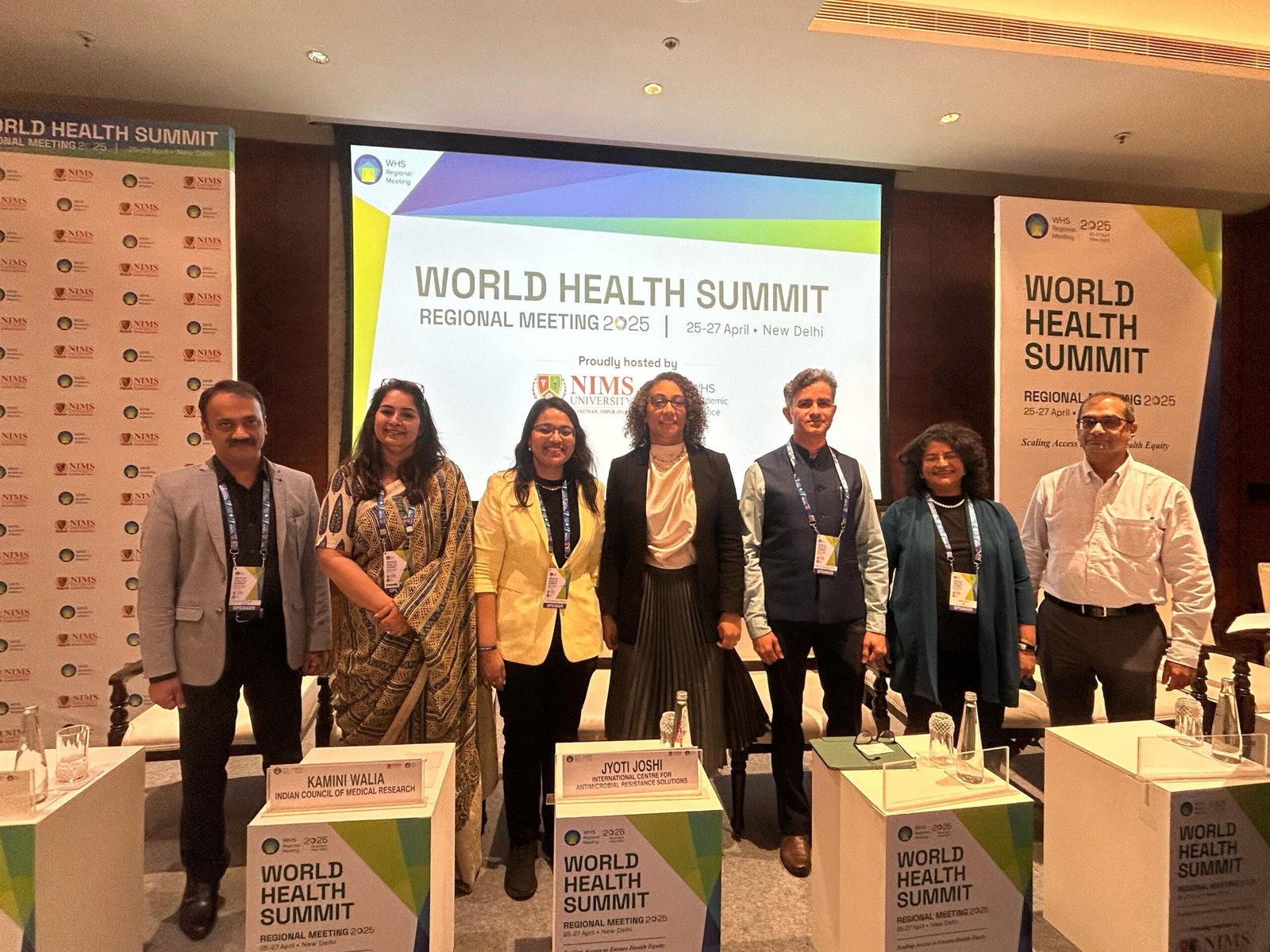
    World Health Summit Regional Meeting 

    25 April, 2025. 10.45-12.15 IST 

    Health Diplomacy in Fostering Regional Cooperation: From Access to Sustainable Solutions in Health  

    The Asia-Pacific region faces significant challenges from AMR, with high morbidity rates and projected economic costs of up to US$ 148 billion. These challenges are compounded by climate change and environmental factors that drive the spread of infectious and vector-borne diseases. Accelerating innovation and ensuring stewardship and fair access to AMR countermeasures, such as antimicrobials, diagnostics, and vaccines, is essential to provide an equitable response to the challenge and improve public health outcomes. In this context, this event convened stakeholders from industry, medical research institutions, not-for-profit organisations, and youth to elucidate the interplay between key global health challenges- AMR, climate change, and equitable access to healthcare products.

    The panel hosted by the Health Diplomacy Alliance opened with introductory remarks from Mrs. Katherine Urbáez, Executive Director of the Health Diplomacy Alliance, who also moderated the conversation. Mrs Katherine set the stage for focusing on AMR prevention and control, given the risks posed by climate change to the Asia Pacific region and highlighting the role of ensuring access and stewardship towards novel countermeasures. This was followed by a panel discussion wherein Mr Syed Ahmed, CEO, TechInvention Lifecare Ltd., shared the importance of technology transfer in the context of the recent pandemic agreement negotiations and provided examples of regional collaboration for vaccine manufacture using a One Health approach.

    Mr Madhav Joshi, CEO of the India Health Fund, shedding light on the market for AMR innovation in the Asia Pacific and communicating the role of health diplomacy in fostering an investment ecosystem for innovative diagnostics for preventing infectious diseases and AMR. In similar stride, Dr Vasan Sambandamurthy, Senior Vice President, Bugworks Research Inc., shared access centric research and development models for manufacturing novel broad-spectrum antibacterial agents and the role of AI in aiding drug discovery.

    Turning to the implementation of AMR National Action Plans, Dr Jyoti Joshi, Senior Science Advisor, The International Centre for Antimicrobial Resistance Solutions, shared experiences in executing a framework for access and stewardship of reserve antibiotics and highlighted the merits of AMR-climate change integrated strategies to address global challenges. Dr Kamini Walia, Senior Scientist, Indian Council of Medical Research, brought attention to the vital need for striking a balance between access and excess in the antimicrobial and diagnostic regulation, specifically in the context of developing policies towards emerging and re-emerging infectious diseases.

    The panel concluded with Ms Tanushree Jain, Chair of Working Group on Health Education and Literacy, WHO Youth Council, shared youth driven regional and global cooperation initiatives on Antimicrobial Resistance centred on a Planetary Health approach. Thus, by closely examining the synergies among priorities of AMR, climate change and access to health products, the discussion highlighted the necessity for an integrated, evidence-based approach that maximizes resource efficiency while aligning with high-level political commitments.

    Key Takeaways:

    • ⁠ ⁠Policies for infectious disease prevention and control must integrate AMR, climate change, and access to healthcare products.
    • ⁠ ⁠Advancing Universal Health Coverage in the Asia Pacific requires climate-resilient health systems.
    • ⁠ ⁠Regional collaboration and sharing best practices are essential to reduce the AMR burden.
    • ⁠ ⁠Healthcare innovation must be distributed equitably and guided by strong stewardship.
    • ⁠ ⁠Sustainable and effective use of healthcare products depend on balancing innovation, access, and stewardship.

  • Navigating Health Diplomacy in a Shifting Geopolitical Landscape

    Navigating Health Diplomacy in a Shifting Geopolitical Landscape

    The recent geopolitical shifts raise urgent questions about the future of global health. As the influence of traditional global health actors wanes, new power dynamics are emerging, with regional blocs and non-state actors playing increasingly prominent roles. At the same time, health itself is being transformed by rapid technological advancements such as AI, which require appropriate governance to ensure equitable access and ethical use. These shifts call for a reassessment of whether existing multilateral structures can adapt or if more decentralized and equitable approaches are required to govern health effectively in a changing world.

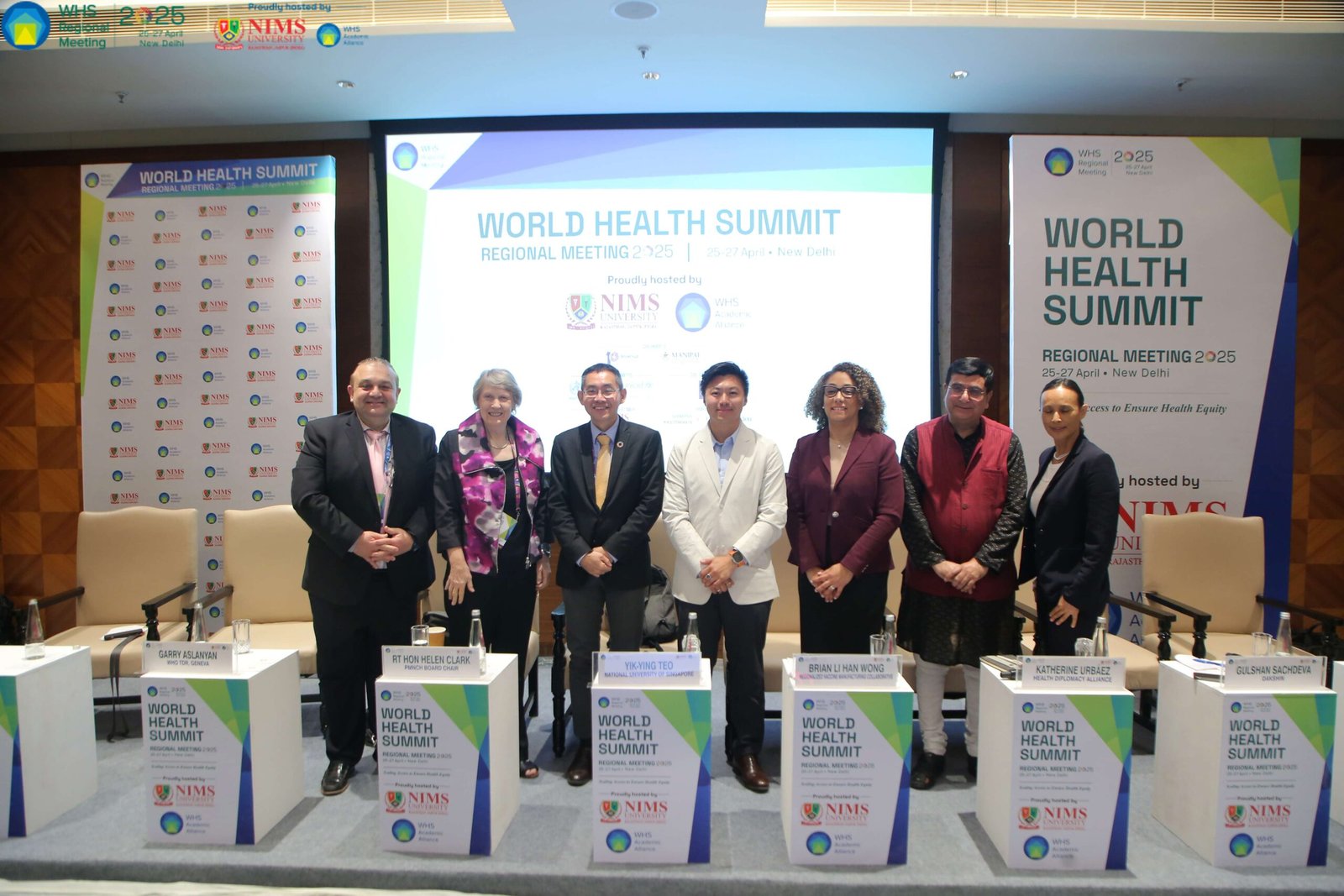
    At the WHS Regional Meeting in Delhi last Saturday, the Global Health Diplomacy Network hosted a session titled “Navigating Health Diplomacy in a Shifting Geopolitical Landscape: Challenges and Opportunities to the Multilateral System and the Path Forward”. As traditional power structures shift, how can the global health community navigate this evolving landscape? Will this provide new opportunities and momentum for change? Who will lead in setting health priorities, securing financing, and ensuring equitable access to health services, particularly for marginalized groups of the population and areas facing humanitarian crises?

    The Rt Hon. Helen Clark from New Zealand and Professor Yik-Ying Teo from Singapore started the discussion by pointing to the growing unpredictability of global funding, the weakening of multilateral institutions, and the urgent need for stronger regional leadership, local capacity building, and sustainable financing. Brian Li Han Wong connected to the discussions around Health Diplomacy and AI, which took place in Bangkok in January at PMAC 2025, and shared insights from the newly published opinion piece, “From algorithms to negotiations: Why health diplomacy must adapt”.

    A discussion with Katherine Urbáez from the Dominican Republic and Gulshan Sachdeva from India explored the future of multilateral cooperation and diplomacy. Finally, Esperanza Martinez officially launched the GHD Network’s website, highlighting the importance of investing in future diplomatic capacities.

    The present crisis is an opportunity for reforms, new agenda, global collaboration, and global functions. Global health diplomacy is a fundamental aspect of global health governance. However, there is a need for different partnerships to navigate the complex challenges ahead.

  • Raising Youth Voices: A Discussion on Equity and Decolonisation in Public Health

    Raising Youth Voices: A Discussion on Equity and Decolonisation in Public Health

    4th Global Public Health Week

    09 April, 2025. 14:00-15:00 CET

    Raising Youth Voices: A Discussion on Equity and Decolonisation in Public Health 


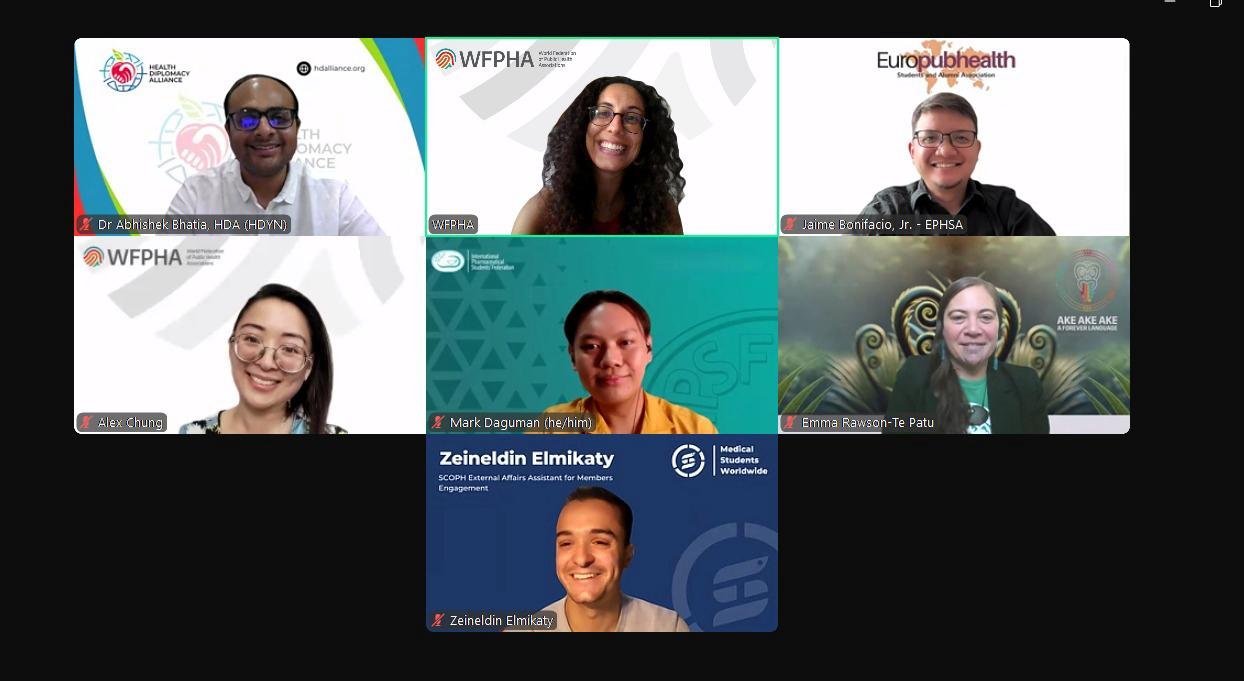
    Co-hosts: Health Diplomacy Youth Network, Young World Federation of Public Health Associations, International Pharmaceutical Students Federation, International Veterinary Students Association, Europubhealth Students and Alumni Association and International Federation of Medical Students Association

    Rationale: Youth remain under-represented in global health policy, advocacy, and diplomacy while facing barriers to public health education. Health curricula worldwide still contend with colonial legacies requiring revision. In response, youth organisations drafted the 2024 Youth Manifesto, outlining concerns, priorities, and solutions for equity and decolonisation in public health. This webinar aimed to advance these discussions from reflection to action by engaging young professionals in shaping equitable policies.

    The webinar opened with remarks from Emma Rawson Te-Patu, President of the World Federation of Public Health Associations, highlighting individual agency and choice from indigenous perspectives as foundations for youth inclusion and decolonisation. Following this opening, pre-webinar survey results were presented, revealing that youth across multiple regions share common concerns: lack of representation in decision-making and socioeconomic barriers limiting public health engagement opportunities.

    A panel discussion followed, featuring representatives from youth organisations, Jamie Bonifacio Jr., Europubhealth Students and Alumni Association, outlined methodologies for equitable youth inclusion in their initiatives. The panellists emphasised the importance of “decolonising mindsets” to promote inclusive thinking. A young pharmacist, Mark Daguman, International Pharmaceutical Students Federation on the panel stressed ensuring access to quality, safe, and affordable medications, while Zeineldin Elmikaty, International Federation of Medical Students Association, highlighted the need for health curricula to integrate colonialism’s history and impact by exposing students to social and community-driven determinants.

    Dr Abhishek Bhatia, Health Diplomacy Youth Network, a membership-based youth network, described their approach, explaining how their network serves as a key component of their parent organisation’s advisory board and implements youth-led and youth-driven initiatives in global health policy. The session concluded by affirming that raising youth voices resonates across participating organisations, and that discussions on Youth Manifesto advocacy and implementation must become an ongoing process with annual monitoring, evaluation, and revision.

    Key takeaways:

    1. Decolonisation begins in the mind, wherein everyone needs to start approaching public health in a novel, inclusive equitable manner.
    2. A transition from the top-down predominant focus of bringing people to public health and making it bottom up and inclusive, where public health comes to people and is accessible to all communities globally.
    3. Youth organisations share a commitment to ensure a participation-based approach towards youth inclusion in their decisions and initiatives.


    Watch the full video here- https://www.youtube.com/watch?v=u3Pg-FiVono 

  • Retos y desafíos globales de la salud en personas con albinismo: Perspectiva de la República Dominicana

    Retos y desafíos globales de la salud en personas con albinismo: Perspectiva de la República Dominicana

    El albinismo es una condición genética caracterizada por la falta de melanina, lo que afecta la piel, el cabello y los ojos. Esta deficiencia no solo trae complicaciones médicas serias como una elevada sensibilidad al sol y problemas visuales, sino que también genera graves problemas sociales como el estigma y la discriminación. La forma en que se ve el albinismo varía mucho entre diferentes regiones, como en algunas áreas de África en comparación con Europa y América del Norte, lo que resalta la urgencia de abordar estas cuestiones desde un enfoque de cuidado integral. 

    Las personas con albinismo enfrentan numerosos desafíos. El riesgo de cáncer de piel es alto debido a la falta de melanina que protege de los rayos solares, y los problemas visuales asociados con el albinismo pueden ser limitantes. Además de los retos físicos, el impacto social puede ser destructivo. En algunos contextos culturales, los mitos y malentendidos sobre el albinismo pueden provocar persecución y violencia, lo que indica que la atención médica debe considerar también el contexto social. 

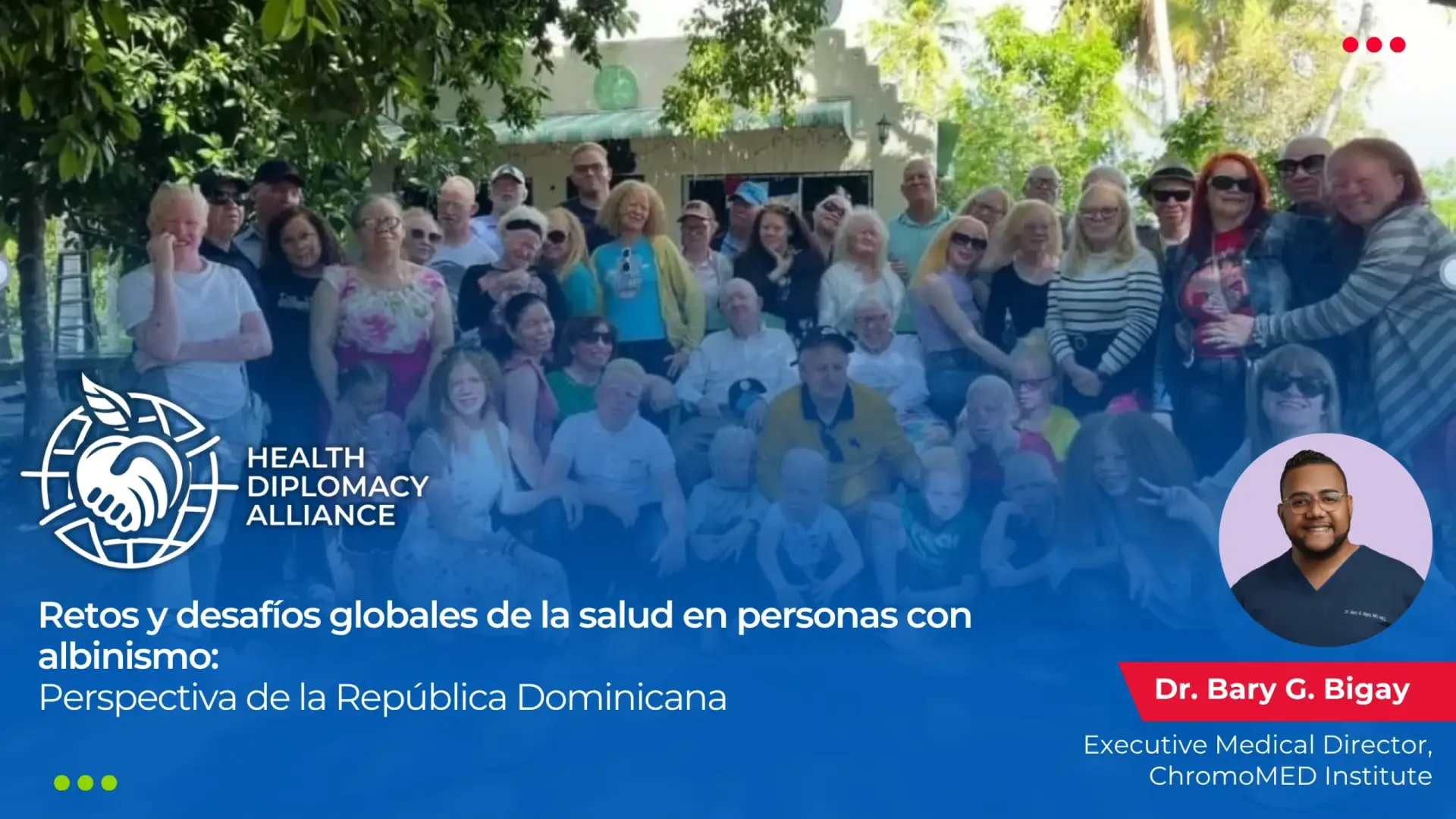
    Foto: Encuentro Anual Fundación Albinismo Solidario Asociado 2024.

    Es vital que la diplomacia en salud global priorice la educación y la mejora de la percepción pública como estrategias fundamentales para luchar contra la desinformación y los prejuicios asociados al albinismo. Informar adecuadamente sobre las causas genéticas y médicas de esta condición puede ayudar a eliminar estereotipos dañinos y promover un mayor reconocimiento social. 

    Además, es importante que las políticas internacionales fomenten la creación y aplicación de medidas de protección para las personas con albinismo. Estas medidas deberían asegurar acceso a servicios médicos especializados, como la dermatología y la oftalmología, y extender las protecciones legales para garantizar la seguridad y los derechos humanos de estas personas, especialmente en las áreas donde son más vulnerables. La colaboración internacional es esencial para compartir recursos, estrategias y prácticas óptimas, y para apoyar la implementación de programas que se adapten cultural y demográficamente a las necesidades de las comunidades afectadas. 

    Incluir las experiencias y perspectivas de las personas con albinismo en la formulación de estas políticas es fundamental para asegurar intervenciones efectivas y humanas. Con un compromiso y desarrollo continuo de estrategias de atención médica integradas, podemos avanzar hacia un futuro más justo y saludable para las personas con albinismo, eliminando barreras físicas y sociales. 

    Un ejemplo sobresaliente de apoyo al albinismo en América Latina es la inauguración de la Primera Clínica de Albinismo en la República Dominicana, resultado de la colaboración entre la Fundación Albinismo Solidario y el Instituto ChromoMED. Inaugurada el 17 de julio de 2024, esta clínica es pionera en ofrecer un cuidado médico especializado y comprensivo en la región, dirigida por un equipo de especialistas que incluye al Dr. Carlos Gómez, la Dra. Katlin De La Rosa Poueriet, y a mí, Dr. Bary G. Bigay. Con instalaciones modernas, la clínica no solo ofrece servicios médicos de alta calidad, sino que también se dedica a mejorar la inclusión social y la concienciación sobre el albinismo, indicando un avance relevante en la creación de un entorno de aceptación y apoyo continuo. 

    “A medida que se intensifican los esfuerzos globales por mejorar la salud de las personas con albinismo, es imprescindible reforzar la investigación en este campo. La inversión en estudios sobre terapias innovadoras, el desarrollo de tratamientos preventivos para el cáncer de piel en esta población y la creación de protocolos de atención médica adaptados son pasos esenciales hacia un futuro más equitativo y saludable. El compromiso con la educación, la investigación y la concienciación social seguirá siendo clave para garantizar que las personas con albinismo puedan vivir con dignidad y sin barreras, contribuyendo así a un mundo más inclusivo y justo.” 

    Los esfuerzos globales por mejorar la salud de las personas con albinismo han ganado impulso en los últimos años, pero aún queda mucho por hacer. Esta población enfrenta desafíos significativos debido a la falta de acceso a cuidados médicos adecuados, especialmente en lo que respecta a la prevención y tratamiento del cáncer de piel. El albinismo, que se caracteriza por una deficiencia en la producción de melanina, expone a las personas a un mayor riesgo de desarrollar cáncer de piel debido a la mayor vulnerabilidad de su piel a la radiación ultravioleta. 

    Por lo tanto, es fundamental invertir en investigación para encontrar terapias innovadoras que puedan reducir este riesgo y mejorar la calidad de vida de las personas con albinismo. Además, el desarrollo de tratamientos preventivos, como cremas solares de mayor efectividad y protocolos de atención médica adaptados a las necesidades específicas de esta población, será fundamental para proteger la salud de los afectados. 

    El enfoque en la educación y la concienciación social también es clave. Sensibilizar a la sociedad sobre las realidades del albinismo, los problemas de salud que conlleva y la necesidad de inclusión social puede ayudar a reducir los estigmas y la discriminación que a menudo enfrentan las personas con esta condición. Asimismo, fomentar la capacitación de profesionales de la salud para reconocer y tratar adecuadamente las afecciones relacionadas con el albinismo es esencial. 

    En última instancia, estos esfuerzos colaborativos en investigación, educación y desarrollo de políticas públicas son pasos esenciales hacia un futuro en el que las personas con albinismo puedan vivir con dignidad, sin barreras y tener acceso a una atención médica adecuada, contribuyendo así a un mundo más inclusivo y justo.


    Sobre el autor

    Nacido en San Pedro de Macorís, República Dominicana, es un respetado Médico Genetista Clínico & Molecular, y Director Médico Ejecutivo del Instituto ChromoMED en Santo Domingo, Pionero en Investigación en Medicina Traslacional y Genómica del Albinismo en República Dominicana. 

    Doctor en Medicina por la Universidad Central del Este y con especializaciones en genética y genómica en prestigiosas universidades de España y Francia como la Universidad de Valencia y la Universidad de Montpellier, posee múltiples estudios de Máster en Biología Molecular, Medicina Reproductiva y Oncología de Precisión Genómica. 

    Es autor de importantes publicaciones científicas y ha sido reconocido con diversos premios entre ellos el Latín American Quality Award 2024, y el Business Management Award 2024. Es director científico del Foro Permanente de Salud Global de Santo Domingo. 

  • 156th Executive Board – World Health Organization

    156th Executive Board – World Health Organization

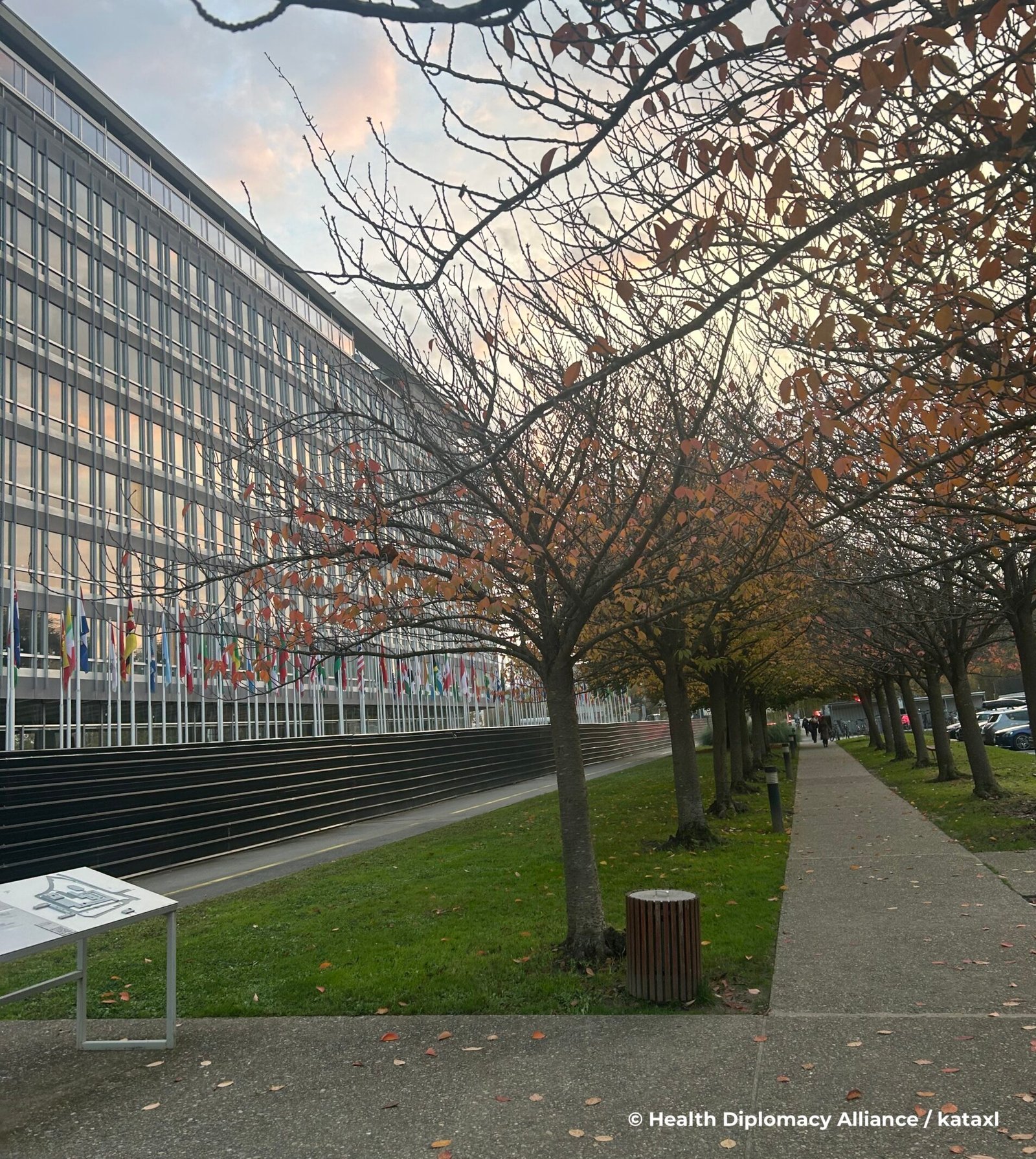
    The 156th session of the World Health Organization’s (WHO) Executive Board convened in Geneva from February 4 to 11, 2025, gathering representatives from Member States, senior WHO officials, and key stakeholders to address pressing global health matters, with discussions marked by a strong focus on health governance, financial sustainability, and the prioritization of key health challenges facing the global community.

    The meeting opened with significant attention to leadership and governance matters within the WHO. A central element of the governance discussions circled the Member State-led governance reform, with particular emphasis on enhancing transparency and strengthening decision-making processes. The review of the Standing Committee on Health Emergency Prevention, Preparedness, and Response was highlighted as a critical step in improving WHO’s ability to respond to global health emergencies effectively. Dr. Chikwe Ihekweazu was appointed as Acting WHO Regional Director for Africa, following the passing of Dr. Faustine Ndugulile, while Dr. Hans Henri P. Kluge was reappointed as the Regional Director for Europe, reflecting the confidence of Member States in his leadership. Dr. Ihekweazu’s interim appointment will remain in place until the formal election of a new Regional Director at the WHA78.

    A key theme was WHO’s financial health and sustainability. The EB debated the need for a flexible funding model that enables prompt responses to emerging health threats and geopolitical challenges, such as the decision of two Member States of the Americas, the United States of America and Argentina, to withdraw of the WHO. Dr. Cathrine Lofthus of Norway, Chair of the 41st Programme, Budget, and Administration Committee (PBAC), presented a decision paper that will align resolutions with the Programme Budget 2026–2027. The Board recommended that implementing requests to the Director-General—including those for WHA78—be contingent on finalizing this budget.

    This approach ensures that new initiatives are supported by clear funding strategies, where WHO will be required to assess the budgetary and operational implications of all resolutions and integrate these into the Programme Budget 2026–2027. Member States expect active consultation during prioritization, and progress will be reported to WHA78 through the PBAC.

    The Executive Board discussed and recommended several resolutions for adoption at WHA78, reflecting WHO’s commitment to addressing a wide range of global health issues. Among the most notable was the Global Action Plan on Climate Change and Health, which aims to bolster health system resilience to climate-related risks and mitigate the environmental determinants of health and acknowledges the growing impact of climate change on public health and calls for coordinated international efforts to protect vulnerable populations and strengthen emergency preparedness.

    Another important draft resolution, led by Côte d’ Ivoire, focused on skin diseases, seeking to address all skin disease conditions, particularly in low- and middle-income countries, calling on the improvement of access to treatment, preventive measures, and tackling stigma and discrimination of patients, as well as improving research to combat these conditions.

    Vital discussion on the health implications of nuclear weapons and nuclear war, the proposal led by Samoa, emphasized the catastrophic humanitarian and health consequences of nuclear conflict and urged Member States to strengthen their emergency preparedness and response capacities, further reinforcing WHO’s role in raising awareness about the long-term health effects of nuclear exposure and advocating for global disarmament efforts.

    Strengthening health financing globally was another major discussed resolution, led by Nigeria, the draft calls for sustainable and equitable health financing mechanisms to support universal health coverage and primary healthcare systems; due to the pressing need to close funding gaps and mobilize domestic and international resources to achieve health-related Sustainable Development Goals (SDGs). The Board emphasized that robust health financing is essential to building resilient health systems capable of withstanding future health emergencies.

    The Executive Board concluded the session by reaffirming its commitment to strengthening WHO’s leadership, transparency, and financial stability; where Member States expressed a shared determination to work collaboratively at WHA78 to adopt resolutions that promote global health security, advance health equity, and bolster WHO’s capacity to serve the most vulnerable populations.

    With a clear roadmap laid out by the EB, the upcoming78th World Health Assembly scheduled to take place in Geneva from May 19 to 27,  promises to be a decisive moment in health diplomacy as Member States and many come together to tackle pressing health issues, the result of the negotiation of the Intergovernmental Negotiation Body to draft and negotiate a WHO Convention, Agreement, or other international instruments on pandemic, preparedness, and response, and the reinforcement of the role of WHO as the leading authority in international health.


  • One Health Podcast

    One Health Podcast

    Our Founder, Katherine Urbáez, presented a snapshot of the findings on her research about How does Health Diplomacy impacts One Health Implementation; The Cases of Switzerland and Rwanda.

    Conducted by the Global Health Center of the Geneva Graduate Institute The podcast “Implementing One Health through Health Diplomacy: Comparing Switzerland and Rwanda” explores the founding on how these two nations utilize diplomatic strategies to advance the One Health initiative, which integrates human, animal, and environmental health to address comprehensive health challenges.

    Switzerland uses its extensive health infrastructure and diplomatic clout to promote One Health principles on a global scale. The country integrates health into its foreign policy and fosters international cooperation to tackle global health issues comprehensively.

    In contrast, Rwanda focuses on embedding One Health into national policies and local governance. The country has achieved significant progress through community-based health strategies and multisectoral engagement. Rwanda’s approach highlights how effective One Health strategies can be implemented with strong political commitment and innovative local solutions.

    The podcast underscores the distinct and synergistic methods employed by Switzerland and Rwanda, demonstrating how different strategies can effectively achieve shared health goals.

    Listen to the podcast