Tag: one health

  • WHO Launches Civil Society Task Force on AMR

    WHO Launches Civil Society Task Force on AMR

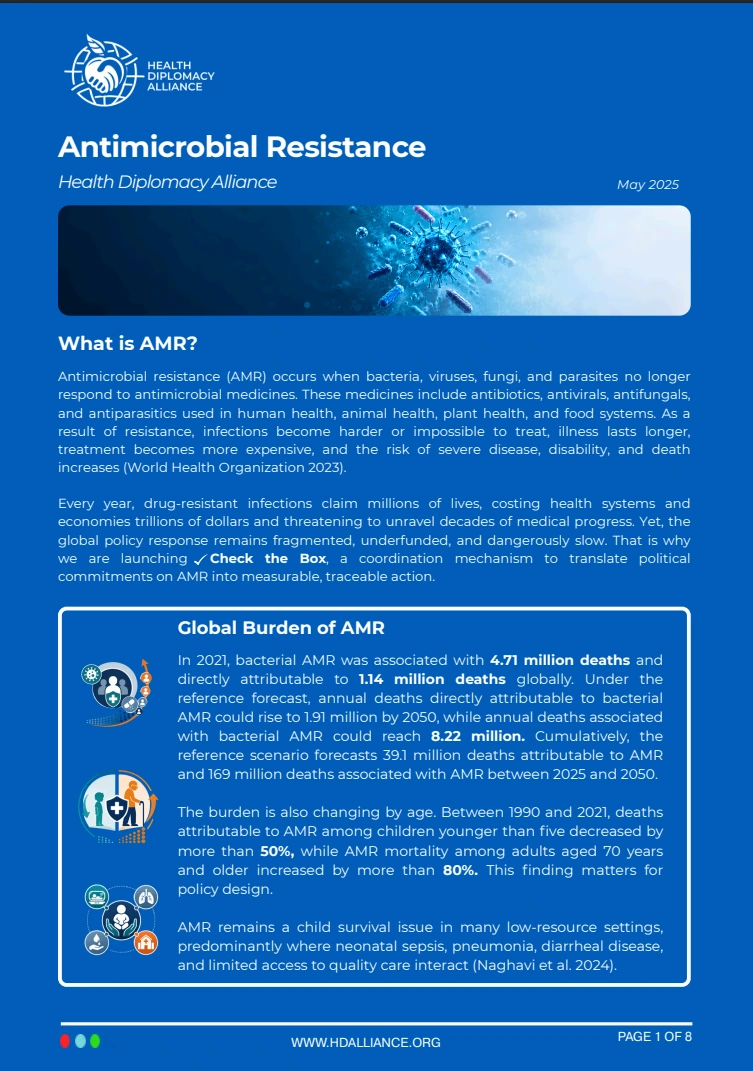
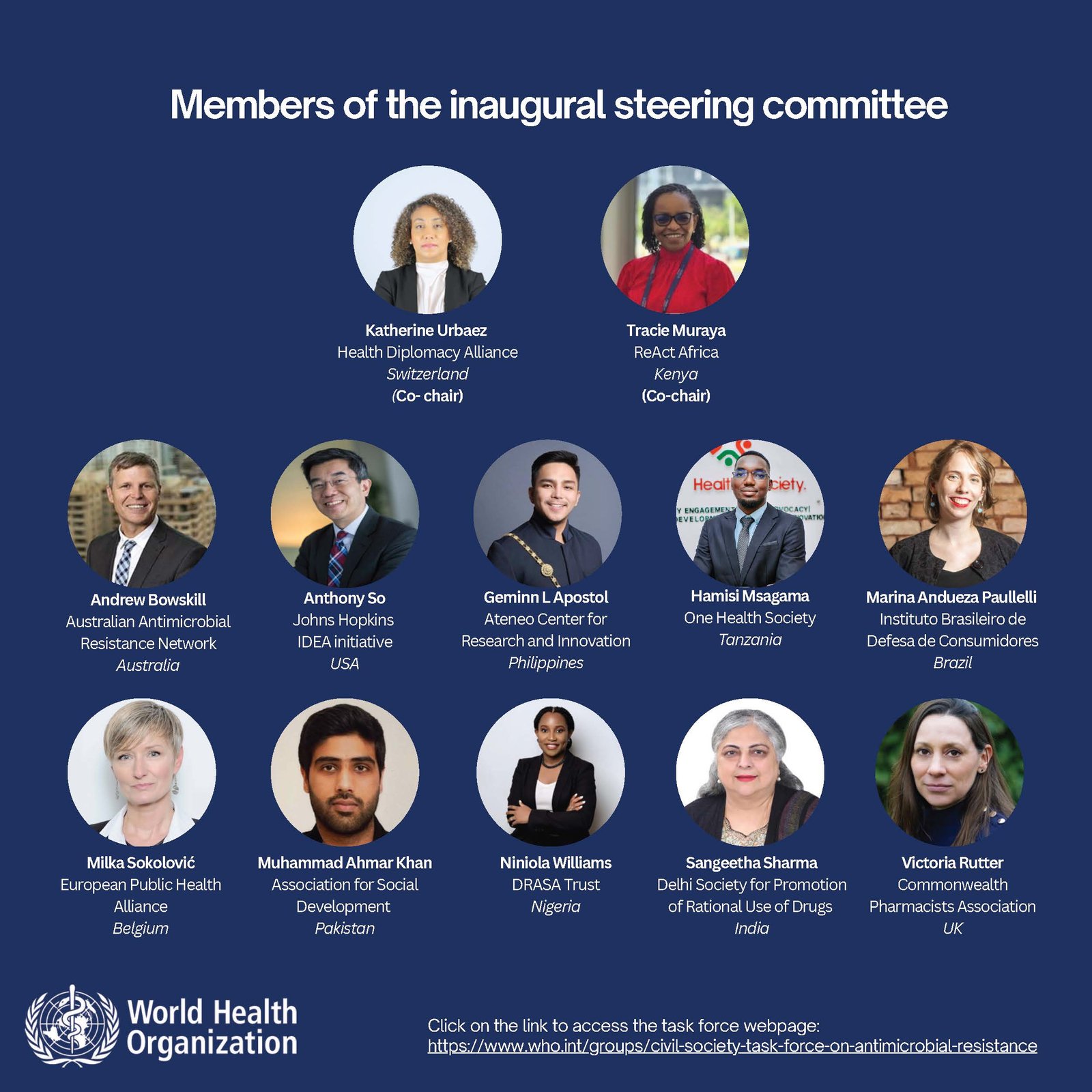
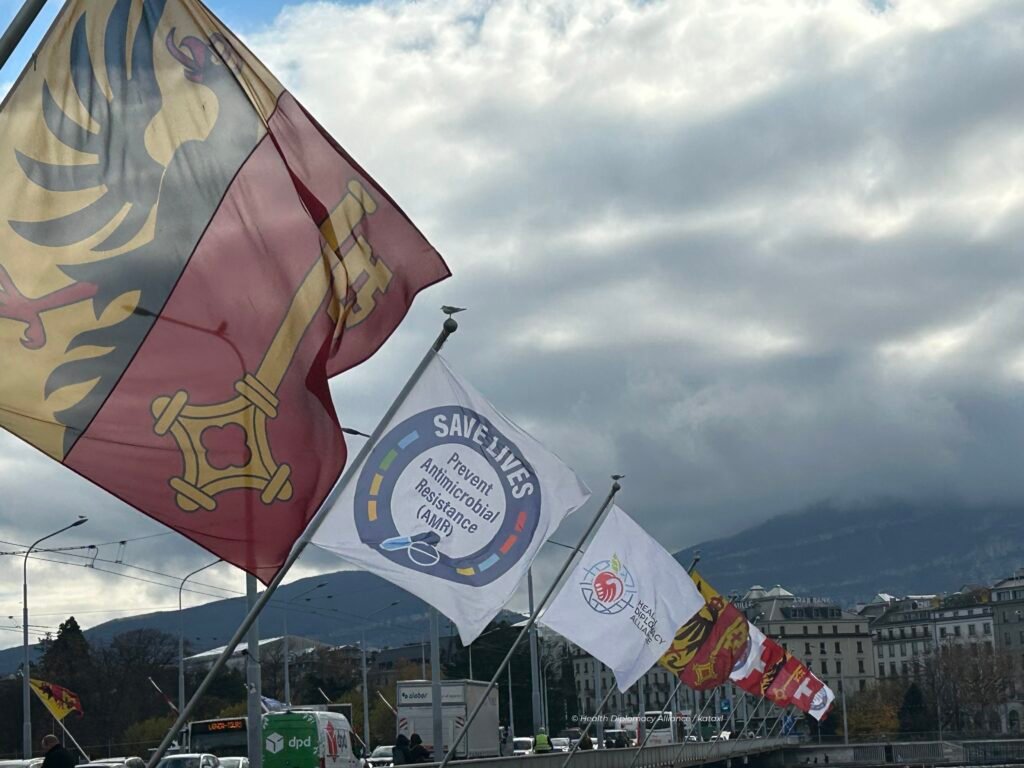
     In a significant step to strengthen global action against antimicrobial resistance (AMR), the World Health Organization (WHO) launched the Civil Society Task Force on AMR during World Antimicrobial Awareness Week (WAAW) 2025. The initiative brings together nongovernmental organizations and civil society groups from around the world to coordinate efforts, provide evidence, identify gaps, and promote engagement between governments, communities, and stakeholders.

    The Task Force aims to amplify the voices of affected communities and ensure that civil society organizations can contribute meaningfully to global strategies to combat AMR. Its objectives include fostering collaboration across sectors, supporting capacity building, promoting advocacy, and advancing WHO’s GPW14.

    The Health Diplomacy Alliance (HDA) will be co-sharing the Steering Committee of the Task Force, bringing expertise in health diplomacy and cooperation. HDA’s involvement strengthens efforts to highlight the impact of AMR at global, regional, and national levels, while supporting civil society to engage in advocacy, strengthen regulatory systems, increase access to quality-assured antimicrobials, and integrate the One Health Approach into planning.

    AMR continues to pose a severe global health threat. In 2019, drug-resistant infections were associated with approximately 4.95 million deaths, and by 2021, an estimated 1.14 million deaths were directly attributable to AMR. Without effective measures, healthcare costs could rise by $1 trillion by 2050.

    By including civil society voices alongside technical expertise, the Task Force ensures that AMR responses are locally grounded, equitable, and evidence-based, helping governments and communities implement effective, sustainable solutions.

    HDA’s participation in the Task Force underscores its commitment to promoting long-term, political system-level solutions to address the growing challenge of antimicrobial resistance.

  • The Human Variome Project: Global Coordination in Data Sharing

    The Human Variome Project: Global Coordination in Data Sharing


    This article outlines a global effort initiated in 2006 to standardize and share genetic data for clinical and research purposes, supported by international bodies such as UNESCO. It details the establishment of national hubs to ethically collect, curate, and disseminate genomic information, addressing infrastructure gaps and fostering regional collaboration through diplomacy. The initiative aims to advance healthcare equity and improve diagnostics through coordinated, cross-border cooperation by prioritizing capacity-building in underserved regions and harmonizing data practices.

  • Humanitarian Action in the Planetary Crisis

    Humanitarian Action in the Planetary Crisis


    This Policy Brief examines how the OneHealth approach can transform humanitarian action amid rising natural disasters, conflicts, and displacement in low-resource settings. 

    Developed collaboratively by leading academics and humanitarian experts, it offers four key recommendations and 28 actionable steps to enhance crisis response, disease prevention, and environmental sustainability. 

  • Science as Diplomacy: The Strategic Power of One Health in Global Policy

    Science as Diplomacy: The Strategic Power of One Health in Global Policy

    The One Health approach, which recognizes the interdependence of human, animal, and environmental health, is not only a matter of scientific collaboration but also a prime example of Science Diplomacy in action. Science Diplomacy goes beyond cooperation to engage science as a strategic diplomatic tool, capable of influencing global policies, easing geopolitical tensions, and fostering trust between nations with differing agendas. Through this lens, the One Health approach becomes a means of addressing complex and often contentious global challenges by leveraging scientific expertise in diplomatic negotiations, international treaties, and conflict resolution.

    The diplomatic role of science becomes evident in how scientific knowledge informs global health policies, mediates disputes, and fosters international trust. For instance, pandemic preparedness is not just about sharing research and data but also about aligning different national interests in a way that can prevent diplomatic rifts during crises. During the COVID-19 pandemic, for example, the distribution of vaccines, access to essential medicines, and the regulation of travel and trade became highly politicized. Scientific expertise, combined with diplomatic negotiation, helped to form frameworks like COVAX that sought to balance national interests with global health equity. This balance required science to be used as a diplomatic instrument, guiding international discussions toward a common understanding of the evidence and creating mutual agreements amidst political tension.

    Similarly, global efforts to combat antimicrobial resistance (AMR) highlight the diplomatic weight science carries in policy discussions. AMR is driven by practices in agriculture, healthcare, and environmental management that are influenced by economic interests, political priorities, and social norms in different countries. Here, science provides the common ground upon which diplomatic negotiations occur. Initiatives like the Global Action Plan on Antimicrobial Resistance, developed by WHO, FAO, and WOAH, were not just scientific collaborations but diplomatic triumphs—binding nations to a shared set of guidelines that balanced national sovereignty with the need for collective action. In this case, scientific evidence served as the backbone for treaty-making, where diplomatic negotiations turned scientific consensus into political commitments.

    The One Health approach to climate change and environmental degradation similarly exemplifies Science Diplomacy. Environmental health directly impacts national economies, food security, and public health, making it a politically charged issue. Here, science plays a diplomatic role by creating a neutral ground for dialogue between countries that may be at odds on other fronts. The Intergovernmental Panel on Climate Change (IPCC), for example, has been instrumental in shaping the Paris Agreement. Through scientific assessments of climate change’s impact on ecosystems, agriculture, and human health, the IPCC’s work serves as a diplomatic bridge, ensuring that all parties—despite conflicting political or economic interests—base their negotiations on shared scientific understanding. Science thus becomes a tool not just for cooperation but for diplomatic consensus-building, helping to mediate conflicts over resource management, carbon emissions, and environmental responsibility.

    In the context of wildlife conservation and zoonotic disease surveillance, Science Diplomacy plays a role in preemptive conflict resolution. Zoonotic diseases, such as Ebola and avian influenza, often emerge from regions with significant biodiversity and sometimes weak governance structures. The risk of diseases spilling over into human populations can become a source of diplomatic tension between neighboring nations or trading partners. Science can act as a diplomatic intermediary by offering objective, evidence-based assessments of the risks and by establishing internationally recognized protocols for disease surveillance. This allows nations to resolve potential conflicts diplomatically before they escalate, with organizations such as the Global Health Security Agenda (GHSA) providing platforms for scientific-diplomatic engagement. Rather than being a purely cooperative effort, this is a strategic use of science to negotiate boundaries, responsibilities, and shared risk.

    Food safety and food security provide further examples of the diplomatic role of science. Disputes over food standards, trade, and agricultural practices can create tension between nations, particularly when health and safety regulations differ. Science Diplomacy here is used to harmonize these standards while respecting national sovereignty, thus preventing potential trade wars or diplomatic standoffs. For example, the Codex Alimentarius Commission, a joint effort by WHO and FAO, plays a diplomatic role in mediating disagreements over food safety, using scientific evidence to broker consensus on what constitutes safe food practices. In this capacity, science is not just enabling cooperation but is driving diplomatic negotiation, ensuring that trade disputes do not escalate into larger geopolitical conflicts by grounding them in neutral, scientifically verifiable standards.

    In the broader context of environmental issues like biodiversity loss and pollution, science is used to establish common metrics for environmental impact assessments, which then feed into diplomatic negotiations for treaties like the Convention on Biological Diversity or the Montreal Protocol on substances that deplete the ozone layer. Science acts as a form of diplomatic currency in these discussions, allowing countries with divergent interests to engage in constructive dialogue based on mutually understood scientific principles. Diplomatic negotiations often hinge on the interpretation of scientific data, with science providing the means to translate complex environmental challenges into actionable policies, thus preventing potential conflicts over resource use and environmental degradation.

    In conclusion, the One Health approach is not just about scientific collaboration; it is a key arena for Science Diplomacy, where science plays a diplomatic role in shaping international policies, mediating disputes, and fostering global trust. By applying scientific principles in diplomatic contexts, nations can navigate the challenges of human, animal, and environmental health with greater clarity and consensus, ultimately leading to more effective and equitable global governance. In this sense, the diplomatic role of science in One Health goes beyond cooperation—it is about using scientific knowledge as a strategic tool to resolve conflicts, negotiate treaties, and build long-term, sustainable relationships between nations.

    About the author


    A Medical Doctor specializing in Urology, with advanced studies in International Cooperation, he has over 18 years of experience bridging science, health, and diplomacy. His career spans roles at UNESCO, where he led science policy and capacity-building projects, collaborated with the AAAS on science diplomacy, and secured European Commission funding for global partnerships. As Secretary General of EUGLOH, he advanced academic collaboration in global health, and currently, at OSH, he promotes sustainable One Health strategies, and at HDA, where he works on Science Diplomacy. His multidisciplinary expertise integrates clinical knowledge with international relations to address global health challenges through institutional and cross-sectoral collaboration.

  • Knowledge and perceptions of graduating BS pharmacy students in Metro Manila to counsel on the use of medical devices for diabetes management: A cross-sectional study

    Knowledge and perceptions of graduating BS pharmacy students in Metro Manila to counsel on the use of medical devices for diabetes management: A cross-sectional study


    This paper evaluated these students’ readiness to guide diabetes management devices. The results indicated that, despite students’ confidence in their counseling skills, their actual knowledge about these devices was insufficient. Notably, an increase in course hours correlated with enhanced perceived counseling abilities, suggesting a need to reassess the BS Pharmacy curriculum in the Philippines.

  • Analysis of the rainfall variability and change in the Republic of Benin (West Africa)

    Analysis of the rainfall variability and change in the Republic of Benin (West Africa)

    This article by Yédjinnavènan Ahokpossi investigates temporal variations and trends in Benin’s annual rainfall distribution from 1940 to 2015 using data from six meteorological stations and three rain gauges. Various statistical methods, including modified Mann-Kendall and Bayesian change point detection, were employed to analyze trends, abrupt changes, and variability. 

    Results revealed periods of wet and dry phases and correlations between rainfall and atmospheric indices like the North Atlantic Oscillation and El Niño. The study offers insights into climate variability in Benin and the influence of oceanic and atmospheric factors on rainfall patterns.

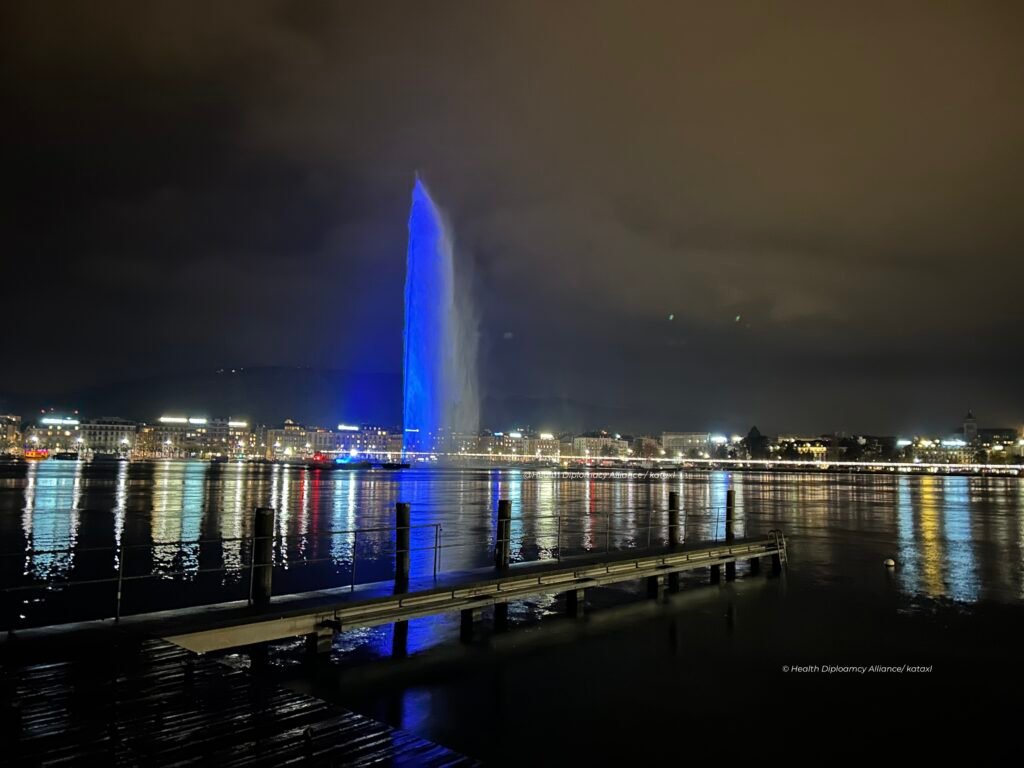
  • Go Blue Video Campaign – World AMR Awareness Week (WAAW)

    Go Blue Video Campaign – World AMR Awareness Week (WAAW)

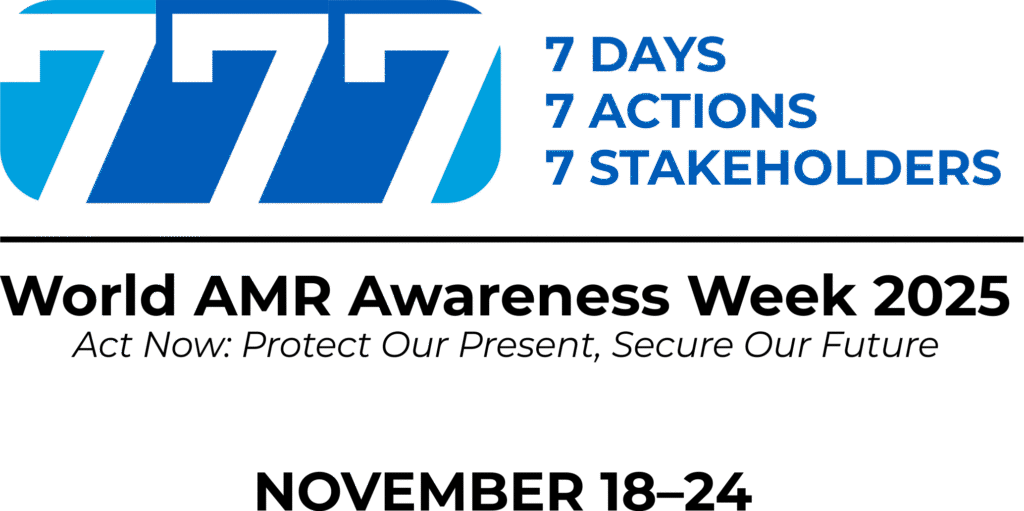
    As part of the World Antimicrobial Resistance (AMR) Awareness Week 2024 – 18-24 November, we would like to invite you to contribute to our video series campaign.

    Your participation will be invaluable in raising awareness under this year’s theme: “Educate. Advocate. Act Now.”

    This campaign unites key stakeholders—high-level officials, including policymakers, healthcare practitioners, academics, civil society, AMR survivors, the private sector, and others—from various sectors and regions. It will emphasize the urgent actions outlined in the High-Level Political Declaration on AMR.

    We kindly request your contribution by sharing a short video (maximum 3 minutes) in your native or working language – GO BLUE ! with something blue (clothes, background, etc). A quote, reflection, or key message on AMR and its significance in your field or region for any of the following: 

    1. A personal call to educate and inspire others to join the global AMR fight, particularly in areas most relevant to your work
    2. The importance of advocacy and multisector cooperation.
    3. A clear call to action emphasizing the “Act Now” theme. If possible, refer to at least one important target or commitment of the 2024 Political Declaration and how to keep the Momentum.

    Please share your video  to communications@hdalliance.org or upload it to this folder https://tinyurl.com/WAAWHealthDiplo


  • AMR – Policy Brief

    AMR – Policy Brief

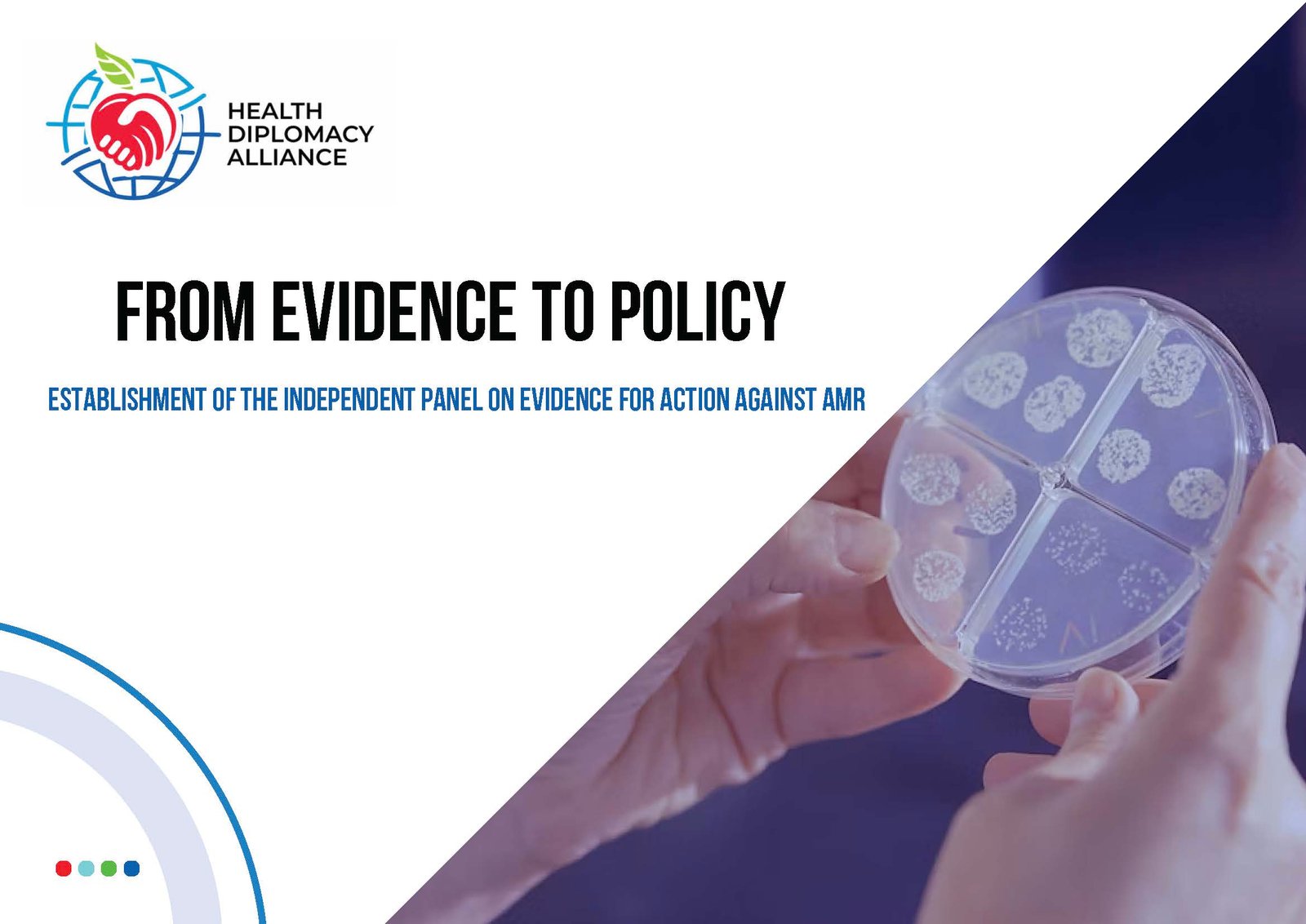
    AMR – Sustaining Political Commitment to Safeguard Public Health: A Policy Roadmap

    This publication offers key recommendations for tackling antimicrobial resistance (AMR), including enhancing political commitment, implementing global targets, and ensuring equity in AMR efforts based on the United Nations N General Assembly High-Level Meeting on Antimicrobial Resistance 2024 Political Declaration. 

    Discover our strategic roadmap and join us in addressing this vital public health issue.

  • GHF – Operationalizing One Health & Planetary Health

    GHF – Operationalizing One Health & Planetary Health

    Collaborator events

    Campus Biotech – May 28, 2024

    Climate change, natural disasters, and other disruptions associated with global environmental change either cause many current humanitarian crises worldwide or exacerbate their severity and scale.

    The COVID-19 pandemic and the global environmental crisis have engendered unprecedented political momentum and scientific interest in the concepts of One Health and Planetary Health. These concepts, rooted in the interdependence of human, animal, and environmental health, advocate for integrated and preventive health approaches, gradually permeating the humanitarian sector and presenting new opportunities and challenges for application.

    Thanks to funding from the Swiss National Science Foundation (SNSF), the inaugural workshop on this topic convened in Geneva in November 2023. Bringing together 38 experts and practitioners from 21 organizations, this workshop laid the groundwork for ongoing discussions and emerging collaborations between academia and humanitarian actors.

    The proposed second workshop will serve as a platform to present and discuss results, recommendations, and actions for operationalizing One Health and Planetary Health in humanitarian settings. It will also assess interest among a broader cross-sectoral audience and identify opportunities for funding and project development in the field.

    May 28, 2024

    Campus Biotech

  • One Health Podcast

    One Health Podcast

    Our Founder, Katherine Urbáez, presented a snapshot of the findings on her research about How does Health Diplomacy impacts One Health Implementation; The Cases of Switzerland and Rwanda.

    Conducted by the Global Health Center of the Geneva Graduate Institute The podcast “Implementing One Health through Health Diplomacy: Comparing Switzerland and Rwanda” explores the founding on how these two nations utilize diplomatic strategies to advance the One Health initiative, which integrates human, animal, and environmental health to address comprehensive health challenges.

    Switzerland uses its extensive health infrastructure and diplomatic clout to promote One Health principles on a global scale. The country integrates health into its foreign policy and fosters international cooperation to tackle global health issues comprehensively.

    In contrast, Rwanda focuses on embedding One Health into national policies and local governance. The country has achieved significant progress through community-based health strategies and multisectoral engagement. Rwanda’s approach highlights how effective One Health strategies can be implemented with strong political commitment and innovative local solutions.

    The podcast underscores the distinct and synergistic methods employed by Switzerland and Rwanda, demonstrating how different strategies can effectively achieve shared health goals.

    Listen to the podcast