The 2026 High-Level Political Forum (HLPF) on Sustainable Development, the United Nations’ central venue for the follow up and review of the 2030 Agenda for Sustainable Development and its Sustainable Development Goals (SDGs), took place in New York from July 7- July 15, 2026. This forum convened delegates, heads of state, major groups, and other stakeholders to discuss the status of SDGs, Member States and institutions accountable, while outlining areas for further action and multi-stakeholder cooperation in the forthcoming years.
The Alliance briefly summarizes where progress on SDG 3: Good Health and Wellbeing stood at the time of the Forum, alongside the other SDGs under review. While SDG 3 was not a priority for review this year’s HLPF, policymakers, CSOs, and other stakeholders must continue to center health in all diplomatic engagements. Health considerations intersect with each development priority, and actions on the sustainable development agenda must be coordinated across SDGs.
SDG 3: Good Health and Well-Being
SDG 3 on Good Health and Well-Being, central to the work of the Alliance, is of primary relevance. Progress on SDG 3 varies across each target. As of 2023, 133 countries have successfully met the SDG target on reducing the under-five mortality rate to 25 or fewer deaths per 1,000 live births. Global AIDS-related deaths have been reduced by over 50% since 2010, and concurrently, by the end of 2024, 54 countries had successfully eliminated at least one neglected tropical disease.
At the same time, progress has not been linear. Childhood vaccination rates have fallen and have not fully recovered from the disruption of the COVID-19 pandemic, and tuberculosis and malaria case counts have risen relative to pre-pandemic levels. Progress on Universal Health Coverage, which expanded rapidly between 2000 and 2015, has since slowed considerably and access remains largely unequal, especially within low-income countries where the gap between the covered and the uncovered is widest.
In 2019, thirteen multilateral health, development, and humanitarian agencies launched the Global Action Plan for Healthy Lives and Well-being for All (SDG3 GAP) to help countries accelerate progress on health-related SDG. However, the initiative was discontinued in 2025 after an evaluation found that the GAP framework had not been delivered as intended and could not be sustained. The dissolution of this initiative raises an open question: who takes on multilateral coordination for health when the mechanism itself has been dissolved, and through what process is a successor arrangement? The review of SDG 17 at the HLPF offered a specific venue to raise this question specifically. These concerns can also be brought forward in future multilateral forums like those forthcoming under the UN80 process.
SDGs Under Review
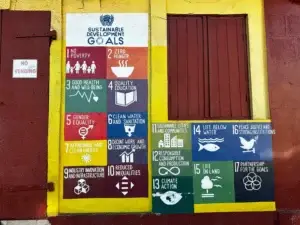
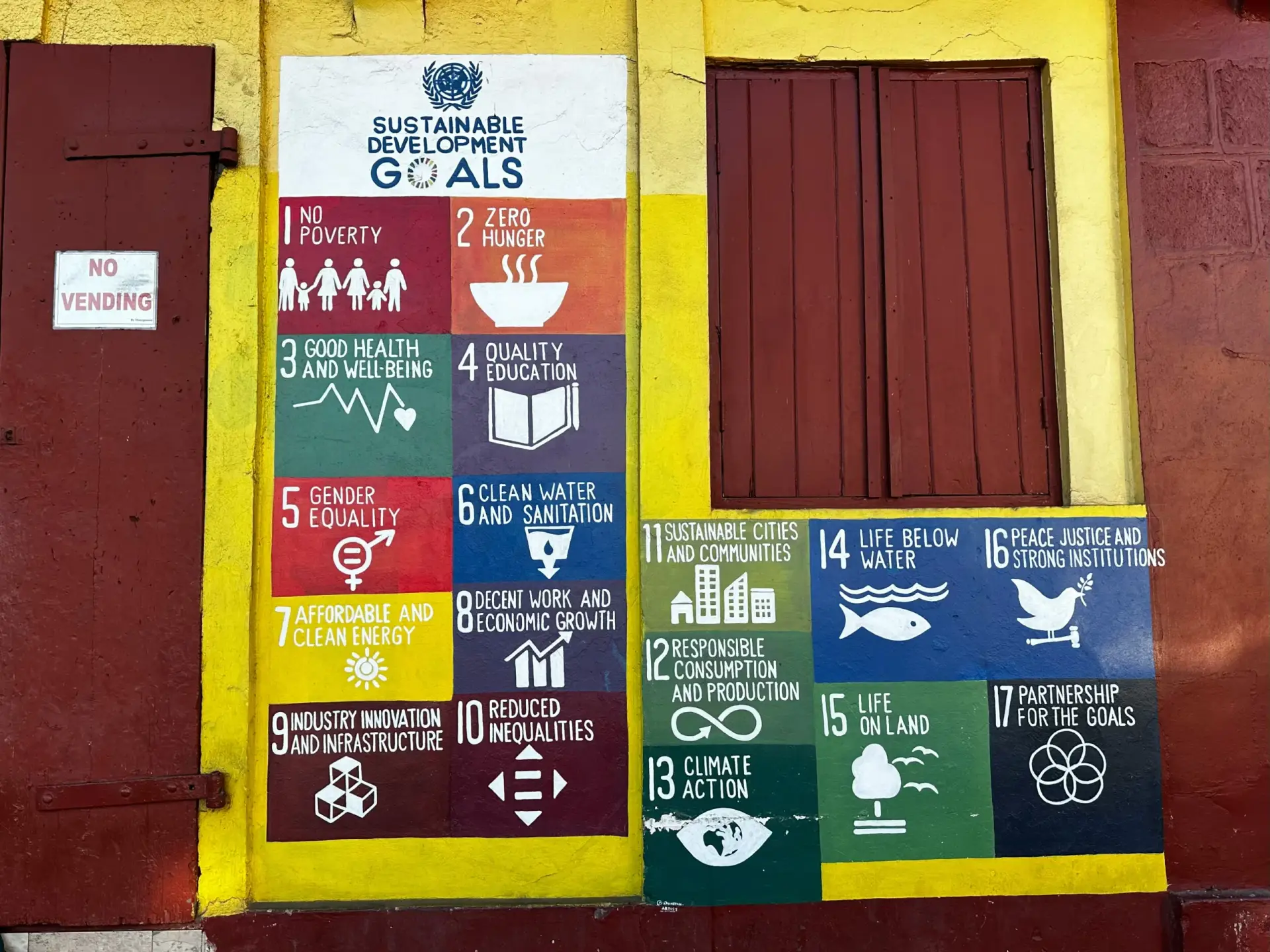
This year’s HLPF theme was on “Transformative, equitable, innovative and coordinated actions for the 2030 Agenda and its SDGs for a sustainable future for all,” with a formal review of SDG 6 (Clean Water and Sanitation), SDG 7 (Affordable and Clean Energy), SDG 9 (Industry, Innovation, and Infrastructure), SDG 11 (Sustainable Cities and Communities), and SDG 17 (Partnerships for the Goals), which is reviewed every year as the SDG underpinning all the others.
Each of the SDGs are interconnected; progress in one SDG can drive progress in another as well. Any diplomatic solution must address and acknowledge the cross-cutting nature of the SDGs and leverage health diplomacy as a tool to drive developmental progress. While SDG 3 was not on the formal review agenda in 2026 (having been reviewed during the 2025 HLPF), health must be central to the conversation. There is an opportunity for health to be integrated within these conversations through development interlinkages.
- SDG 6 and health: The SDG 6 review must frame water and sanitation investment as a fundamental health investment, not solely an environmental or infrastructural solution.
- SDG 7 and health: The SDG 7 review must explore how energy standards can be integrated into national health plans.
- SDG 9 and health: Investments in infrastructure directly strengthen national preparedness for future health emergencies and must be considered.
- SDG 11 and health: Sustainable, resilient cities directly shape the non-communicable disease and injury burden that SDG 3 targets.
Available evidence and reporting indicated that international progress across all the SDGs remains inadequate, with only about a third of targets on track and almost a fifth of targets having regressed to below 2015 levels. With four years remaining until the 2030 deadline, the need to address SDGs through an intersectional and systems-level approach has become increasingly imperative.
Reflections from the Alliance
The Health Diplomacy Alliance offers the following three reflections:
- Stakeholders had an opportunity to center health in this year’s review. Since SDG 3 itself was not under formal review in 2026, stakeholders at HLPF could have actively framed health as a contingent to the progress of SDG 6, 7, 9, 11, and 17, and highlight the interdependent nature of the SDGs.
- With the SDG 3 GAP closed, the SDG 17 partnerships review offered a venue to advocate for a clearly mandated, adequately resourced coordination structure among multilateral health actors that builds from the GAP’s shortcomings.
- Health targets as UHC and immunization remain instruments of health diplomacy. Progress on all SDGs is directly tied to political willingness and financing priorities. The achievements of the past decade—including reductions in child mortality and the elimination of several diseases— demonstrated that strong diplomatic and financial commitment can save lives, drive change, and accelerate progress towards achieving the 2030 Agenda for Sustainable Development
The High-Level Political Forum provided a critical window to integrate health targets into broader conversations around water, energy, and sustainable urban planning. This integrated approach prevents health from being treated as an isolated, “siloed” issue, recognizing that achieving sustainable, resilient global health outcomes depends on coordinated, multilateral action that embeds health considerations within development.