Author: Aliya Jayed

  • TRIPLE THREAT: Climate, Migration, and the Rising Burden of Infectious Disease: A Call for Health Diplomacy

    TRIPLE THREAT: Climate, Migration, and the Rising Burden of Infectious Disease: A Call for Health Diplomacy

    Climate change is a force multiplier that drives migration and exacerbates the spread of infectious diseases. Effective health diplomacy is required to address this complex climate-migration-disease nexus. The climate crisis increases the frequency of extreme weather events, such as droughts, wildfires, flooding, and tropical storms, which lead to more environmentally-driven conflicts and instability, driving migration. In 2024 alone, more than 45 million people were displaced due to environmental disasters, which is nearly double the average annual displacement that occurred over the last decade.

    Climate migration can result in endemic infectious diseases becoming epidemic, increased environments for pathogens to interact via zoonoses, and potential spillover events into human populations. Over 50% of the currently identified infectious diseases will be aggravated by climate hazards. Additionally, climate-related events contribute to an increase in vector-borne, waterborne, and infectious diseases. As an example, Venezuelan migrants traveling through the Andes experience increased rates of infectious and vector-borne diseases from contaminated water due to flooding or drought. Other migrants’ movement through the Darién Gap in Central American has also caused high rates of respiratory and diarrhea cases, as well as increased spread of Yellow Fever in Panama from Colombia.

    At the Alliance, our Pillars of Work embrace the intersectional approach necessary to address this triple threat nexus. In line with our focuses on One Health, Environmental & Climate Change, and Right to Health, we convened expert policy analysts and researchers to share their insights on this multifaceted issue.

    The webinar opened with introductory remarks from Katherine Urbáez, Executive Director of the Health Diplomacy Alliance, as she set the stage for by highlighting health diplomacy’s role as a key, practical tool to coordinate at the multi-sectoral level to promote the shared solutions necessary to address this interlinking topic. She emphasized that health diplomacy is vital to facilitate the dialogue and cooperation among diverse actors, including governments, international organizations, civil society, and health services.

    Diving into the field-specific experts, the event was moderated by Valerie Doze, Climate Health Intern at the Health Diplomacy Alliance. The discussion was started by Iulia Duca, Programme Officer in the Climate Action Division at the International Organization for Migration (IOM). She emphasized that climate, migration, and health are not isolated issues, but are rather deeply interconnected, influencing and amplifying each other. Thus, a comprehensive approach is necessary to respond in a coherent, inclusive, and cross-sectoral capacity, which IOM recognizes in their work. From drought in the Horn of Africa to floods in Pakistan, people are being uprooting from their homes.

    Ms. Duca continued to explain that displacement today is often prolonged, occurring internally, and taking place in fragile contexts where health systems are already under threat. In these environments, the risk of infection, diseases, and outbreaks are amplified, and access to essential health services is negatively impacted. IOM witnesses first-hand how environmental impacts disrupt traditional migration routes, causing people to be pushed into overcrowded informal settlements. She explained how this overcrowding results in forced interactions with new ecological zones, increasing disease transmission risk. These displaced populations also suffer from limited or no access to primary health care, resulting in disrupted vaccinations, inadequate maternal and child care, and improper nutrition, water, and sanitation. Thus, a multi-sectoral approach is needed to address these compounding issues. Ms. Duca stressed the need to mobilize resources and actions through fostering partnerships across diplomacy, health, climate, and migration sectors to invest in more resilient systems that ensure people on the move are not left behind but rather protected, empowered, and included in every decision.

    Bringing the infectious disease perspective, the next perspectives were offered by Dr. James Shepherd (MD PhD), a faculty physician in the Section of Infectious Disease, Department of Medicine of Yale University School of Medicine. Dr. Shepherd emphasized that environmental factors bring infectious disease hosts, such as humans, in contact with agents, which are infections. Health diplomacy focuses firstly on hosts, or the human aspect of contracting diseases. Having previously worked for the WHO as a tuberculosis (TB) and HIV specialist in South Asia, he helped with the Global Outbreak and Response Network during the COVID-19 pandemic. Based in a 1,000,000 population camp in Cox’s Bazar, Bangladesh, health diplomacy required them to work with IOM, UNHCR, MSF, Save the Children, Red Cross, Red Crescent, and the Bangladeshi government to assist these forcibly displaced Myanmar natives. He stressed the importance of international cooperation on these efforts, which has since been stymied by the massive shift in US domestic politics. Global health has benefited from the support from the UN, WHO, Gavi, and other large international efforts focused on infectious diseases and climate change. Therefore, he shared thoughts on the potential for organizations to become more collaborative amidst the funding cuts, evolving diplomatically into new ways of working together.

    Dr. Shepherd continued to explain how humans in an environment are incredibly conducive to the transmission of infectious diseases, especially when almost no facilities and public health services are provided, which can result in another global pandemic. For instance, human movement from the countryside to unincorporated settlements on the edge of cities can change the complexion of infectious diseases. In Dharavi, a settlement in Mumbai, India, is a fertile place for infectious diseases, such as TB and now, COVID-19, to spread, due to the high population density and lack of sanitary public health facilities.

    Bringing his climate-migration experience was Lawrence Huang, a policy analyst with the Migration Policy Institute’s International Program. Having worked on MPI’s Global Initiative on Climate Mobility, he spoke on displacement and migration related to climate and environmental shocks. Research consistently shows that climate change is rarely the sole factor determining people’s movement, but it is usually a threat multiplier of economic, social, political, or health related drivers of mobility. While not the main issue, environment and climate drivers are often hidden behind other factors driving human displacement, such as loss of livelihoods and homes. This intersection of massive disasters leads to internal and cross-boundary movement. Mr. Huang elaborated that climate change and health interact in these situations in terms of vulnerability to infectious diseases and other health shocks, especially as health services can decline during disasters and other climate shocks.

    Mr. Huang emphasized the critical missing piece of the work, which is that migrants, refugees, and displaced people are often excluded from climate action, response, and programming. After losing their homes and moving into informal settlements, many migrants are often hit by floods, landslides, and other disasters because the settlements are located in areas without climate resilient infrastructure and systems. He stressed the importance of integrated holistic approaches to solve these compounding crises. As policymaking tends to be siloed, cross-sectoral collaboration is vital.

    Our Alliance is committed to leveraging health diplomacy to support member states and relevant stakeholders to increase collaboration across health, migration, and climate policy. This event, by fostering conversations about the gaps in this triple threat nexus, and exploring solutions to address these issues, aligns with our work to build strengthen the global response to health challenges by promoting cross-sector coordination.

  • UNODC Young Doctors Network Meeting in Vienna

    UNODC Young Doctors Network Meeting in Vienna

    Dr. António Marques Pinto, Vice-Chair of the Health Diplomacy Youth Network (HDYN), recently played an instrumental role in the first in-person meeting of the UNODC Young Doctors Network (YDN), convened in Vienna, Austria (March 2025), on the margins of the 68th Session of the United Nations Commission on Narcotic Drugs (CND). This high-level gathering, organized by the United Nations Office on Drugs and Crime (UNODC), brought together an exclusive cohort of early-career medical professionals selected from across the globe to deliberate one of the most complex and ethically charged challenges in global health governance: ensuring equitable access to internationally controlled medicines while simultaneously preventing diversion and misuse. Internationally recognized as the vanguard of medical and health diplomacy leadership, these individuals are not merely emerging professionals, but the undisputed elite of their generation: young medical leaders already shaping policy, driving innovation, and influencing global health narratives at the highest levels.

    The meeting featured in-depth technical exchanges with representatives from the World Health Organization (WHO), the International Narcotics Control Board (INCB), and UNODC experts and high-level officers (including Ms. Candice Welsch, Director of Policy Analysis and Public Affairs at UNODC), with sessions exploring the regulatory, clinical, and ethical dimensions of drug control conventions in contemporary medical practice. Special emphasis was placed on the structural barriers to adequate pain management, palliative care provision, and the safe and effective use of controlled substances in humanitarian and low-resource settings.

    As an active contributor to the proceedings, Dr. António Marques Pinto played a key role in the drafting and delivery of the final joint statement issued by the YDN, which outlined five strategic areas for action: enhancing capacity-building through medical education; promoting independent research on access and diversion; strengthening community engagement in health policy design and implementation; supporting health professionals through digital tools and peer networks; and critically reviewing national policies that, absent scientific basis, hinder the rational and human rights–based use of essential medicines.

    More than a technical consultation, the meeting reaffirmed the vital role of youth leadership in redefining the architecture of global health diplomacy. In his interventions, Dr. Marques Pinto underscored the strategic value of elevating youth perspectives from mere consultation to positions of structured influence within multilateral governance. He emphasized that youth inclusion must be recognized not only as a matter of equity, but as a diplomatic asset: indispensable to the renewal, responsiveness, and legitimacy of international health institutions. He highlighted the urgent need for institutional frameworks that elevate youth-led expertise from peripheral consultation to structured influence in multilateral decision-making and indeed reaffirmed the HDYN’s commitment to strengthening the interface between scientific evidence, ethical responsibility, and diplomatic negotiation (three pillars that are indispensable in navigating the XXI century health policy landscape).

    The presence of these highly accomplished young physician-leaders (many of whom already occupy key roles in national health systems, international networks, and policy platforms) not only brought credibility and relevance to the international deliberations, but also helped anchor global health diplomacy in lived realities, professional integrity, and intergenerational equity, therefore sending a clear and powerful signal: the next generation is not waiting in the wings but is ready, equipped, and committed to leading the complex negotiations required to secure global health justice.


    Caption:

    Group photo of the UNODC Young Doctors Network, taken during the 68th Session of the Commission on Narcotic Drugs (Vienna, March 2025). At the center of the image stands Dr. António Marques Pinto, Vice-Chair of the Health Diplomacy Youth Network, to the right of Ms. Candice Welsch, Director of Policy Analysis and Public Affairs at UNODC. Standing at the far right is Dr. Elizabeth Sáenz, Drug Control and Crime Prevention Officer from the Prevention, Treatment and Rehabilitation Section of UNODC Drug Laboratory and Scientific Services Branch.

  • International Day of Women in Diplomacy

    International Day of Women in Diplomacy

    The Health Diplomacy Alliance is proud to commemorate the International Day of Women in Diplomacy

    Established by UN General Assembly Resolution A/RES/76/269* on 20 June 2022, this day reaffirms the vital contributions of women to diplomacy and multilateral decision‑making. Despite steady progress, significant disparities in representation persist across global and regional institutions:

    • Between 1992 and 2019, women made up only 13% of peace negotiators, 6% of mediators, and 6% of agreement signatories in major peace processes.

    • Since 1947, only 7% of all UN permanent representatives have been women, and as of 2024, women account for just 21% of current UN ambassadors.

    • In Latin America and the Caribbean, the proportion of women serving as ambassadors remains uneven, averaging 25% across the Americas, but as low as 18.8% in South America.

    These figures underscore the enduring challenges women face in breaking into the highest levels of diplomacy, especially within multilateral systems.

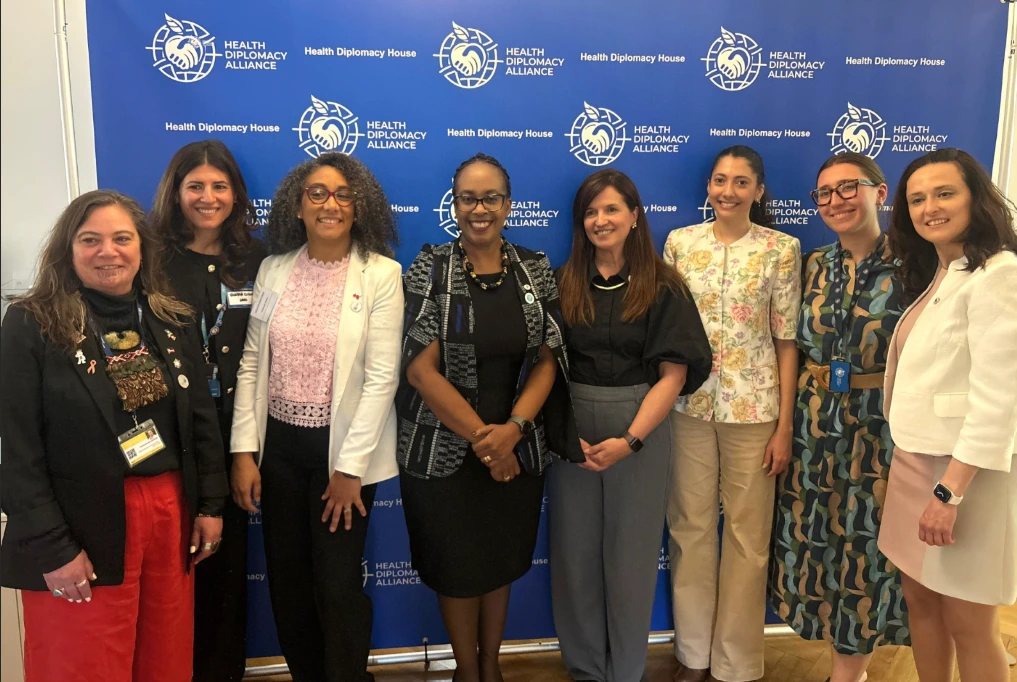
    To mark this occasion, we are pleased to feature reflections and quotes from distinguished women in diplomacy, amplifying their voices and perspectives. Their words offer insight into the realities, achievements, and aspirations of women shaping international policy and peacebuilding efforts.

    H.E. Tufigno
    S.E. Fca Mendez
    H.E. Hend Al Muftah
    Dr. Bustreo
    Tlalane Augustina Sebeko
    Dr. Pizarro Ibañez
    Ms.Maria_Juliana_Tenorio_Quintero


    For further information, please explore our featured resources :

    *Supported by: Algeria, Angola, Antigua and Barbuda, Argentina, Armenia, Australia, Azerbaijan, Bahamas, Bahrain, Bangladesh, Barbados, Belize, Benin, Bhutan, Bolivia (Plurinational State of), Bosnia and Herzegovina, Botswana, Brazil, Bulgaria, Burkina Faso, Burundi, Cabo Verde, Canada, Chile, China, Colombia, Costa Rica, Côte d’Ivoire, Dominican Republic, Ecuador, Egypt, El Salvador, Equatorial Guinea, Eritrea, Ethiopia, Fiji, Gabon, Gambia, Georgia, Ghana, Greece, Grenada, Guatemala, Guyana, Haiti, Honduras, India, Indonesia, Iraq, Ireland, Israel, Jamaica, Japan, Jordan, Kazakhstan, Kenya, Kiribati, Kuwait, Kyrgyzstan, Lao People’s Democratic Republic, Latvia, Lebanon, Lesotho, Libya, Luxembourg, Madagascar, Malawi, Malaysia, Maldives, Mali, Malta, Marshall Islands, Mauritania, Micronesia (Federated States of), Monaco, Mongolia, Morocco, Mozambique, Namibia, Nepal, New Zealand, Nigeria, North Macedonia, Oman, Pakistan, Palau, Panama, Papua New Guinea, Paraguay, Peru, Philippines, Qatar, Russian Federation, Rwanda, Saint Kitts and Nevis, Saint Lucia, Saint Vincent and the Grenadines, Samoa, Sao Tome and Principe, Saudi Arabia, Senegal, Seychelles, Sierra Leone, Singapore, Slovenia, Solomon Islands, South Africa, Sri Lanka, Suriname, Tajikistan, Thailand, Timor-Leste, Togo, Trinidad and Tobago, Tunisia, Türkiye, Turkmenistan, Tuvalu, Uganda, Ukraine, United Arab Emirates, United Republic of Tanzania, Uruguay, Uzbekistan, Vanuatu, Venezuela (Bolivarian Republic of), Viet Nam, Yemen and Zimbabwe.
  • GWL Voices Spotlight on Women in Global Health Leadership 2025

    GWL Voices Spotlight on Women in Global Health Leadership 2025

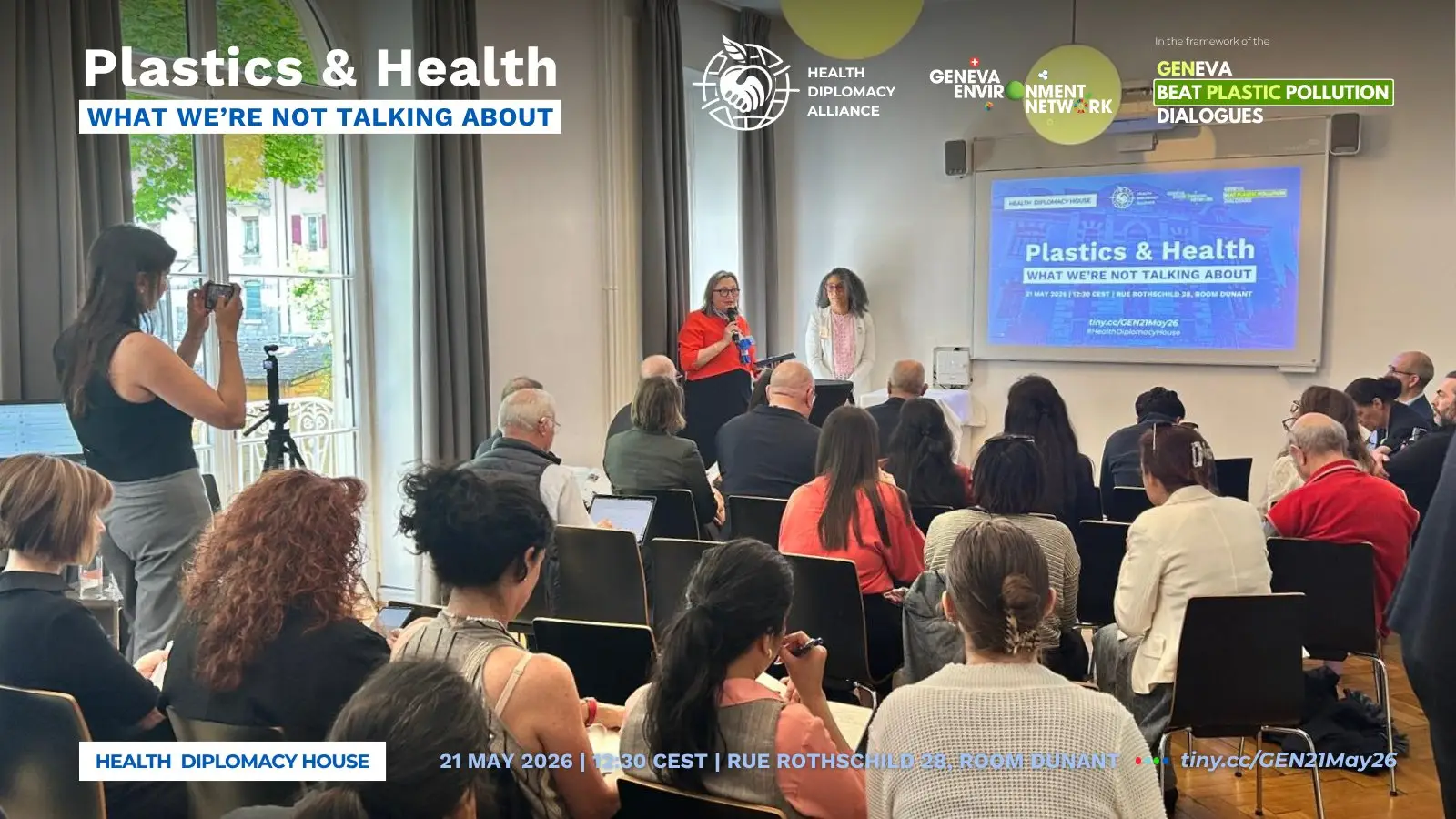
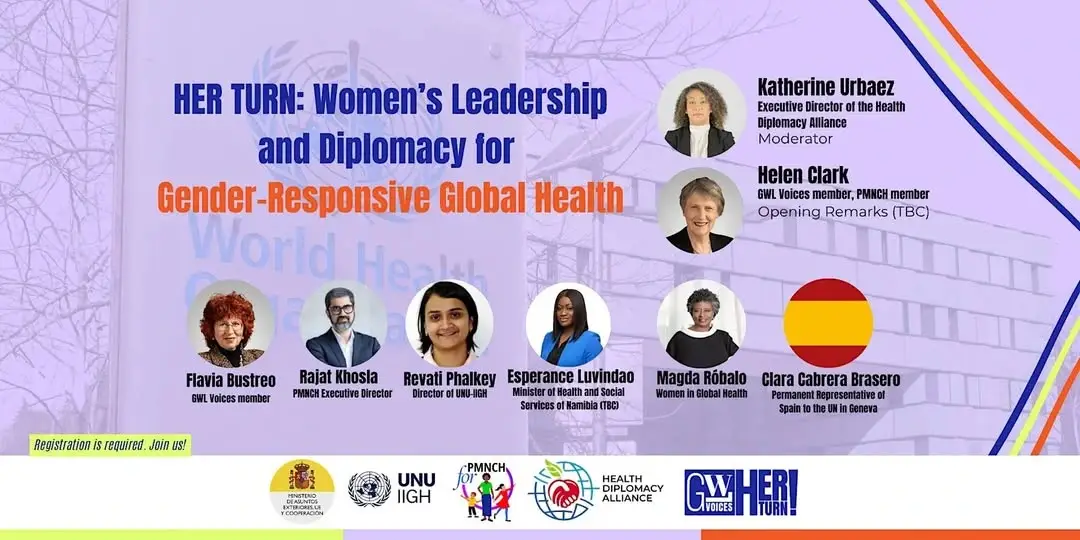
    GWL Voices hosted a WHA 78 Side Event highlighting the findings of their Spotlight on Women in Global Health Leadership report and focusing on the continued barriers to advancing women’s leadership in global health. It was a productive conversation where leaders from GWL Voices, government, multilateral organisations, and NGOs discussed potential solutions and the way forward for increasing women’s access to leadership roles at the subnational, federal, and international levels.

    Over the past few decades, the number of women in global health leadership positions has increased, but the progress being made is still too slow and fragile. The four organisations assessed in the GWL Voices report – the WHO, World Bank, Global Fund, and Gavi – were found to have long-term commitments to gender parity in recruitment and staffing at all levels. However, gender representation in many parts of these organisations remains unequal. Additionally, at both the global and national scales, organisations and governments are facing budget gaps, which have historically been addressed by backtracking on hard-won women’s rights. Within women’s leadership, there is an even more dire need for advancing diversity in women’s leadership; for instance, the report found that women of colour, particularly from the Global South, face the compounded barriers of racism, tokenism, and limited access to informal networks.

    The panel, hosted by GWL Voices, opened with introductory remarks from Katherine Urbáez, Executive Director of the Health Diplomacy Alliance. Urbáez spoke of the operational roadblocks still present when trying to elevate women leaders. She also shared the benefits that stem from advancing women’s leadership, which include the development of more inclusive policies, resilient health systems and solutions-oriented approaches. Urbáez also stated that, “representation in leadership roles matters. When women are seen in leadership, it opens the door for others and helps dismantle long-standing barriers.

    Following this overview was a panel discussion moderated by Ms. Joy Phumaphi, Executive Secretary of the African Leaders Malaria Alliance (ALMA), who spoke of the hiring and promotion issues faced by women trying to advance into global health leadership positions. She also highlighted Botswana as a country struggling with women’s representation in its National Assembly, where women make up only 8.7% of the members. To address these issues, she emphasised the need to continue the push to have women on long and short lists during hiring processes for leadership positions, as well as to include women on interviewing panels.

    Moving on to the panel participants, The Honourable Helen Clark, GWL Voices co-founder and member, as well as former Prime Minister of New Zealand, shared harrowing statistics – for example, only 7% of all permanent representatives to the United Nations have been women. She also emphasised the necessity of more senior women using their positions to push the United Nations to continue its critical work in advancing women’s rights and leadership.

    Dr. Flavia Bustreo, GWL Voices member, presented the findings of the spotlight, including the multifaceted societal benefits that occur with increased women’s leadership, such as improved financial performance, innovation, organisational culture and climate, and health. She also explored organisation-specific shortcomings, such as the WHO having a female Director-General only twice in its 77 years of existence, although women are overrepresented in the lower, general service category. At the World Bank, the share of women in senior management is 40%. None of the boards studied has reached 50% female composition, as women account for 30% of the WHO Executive Board members, 46% of Gavi, and 32% of the Global Fund Board.

    Continuing the panel, Dr. Rajat Khosla, Executive Director of the Partnership for Maternal, Newborn and Child Health (PMNCH), spoke of the detrimental interplay between misogyny, sexism, and the patriarchy that persists across many global health organisations. There is power and privilege in these leadership roles, as he explained, and the global health community is lacking the diversity of women in leadership roles. Dr. Khosla also emphasised the importance of promoting women in STEM to help achieve women’s leadership.

    The panel concluded with Dr. Revati Phalkey, U.N. University Institute for Global Health Director, calling for a transition away from tokenistic and symbolic women’s leadership, especially of women of colour, who face compounded barriers. She also explained the benefit of leveraging male allies for advocacy efforts, emphasising the need for greater transparency within organisations. Dr. Phalkey also stressed the need for bottom-up solutions to internalise and institutionalise women’s leadership.

    Overall, by clarifying the roadblocks and proposing tangible solutions for increased women’s leadership in global health, the conversation combined data with lived experiences to foster an environment for discussing potential solutions, including the importance of mentorship, networking, and policy changes. Our Alliance is committed to advancing women’s leadership in global health through advocating for systematic policy change, as well as increased mentorship and networking opportunities. This event, by outlining the struggles still facing women pursuing leadership roles and proposing potential solutions, aligns with our approach to support policy advocacy for change and our priority to empower the next generation of leaders.

    Key Takeaways:
    • Ensuring representation of women in leadership leads to improved outcomes in areas such as health, organisational culture, innovation, financial performance, and other women’s careers and aspirations
    • Current national and international policies need to be designed to ensure gender parity in all aspects of the governance of health institutions and political representation
    • We must transform the organisational, societal, and individual mindsets to ensure gender equity in health leadership
    • Partnerships and collaboration are key to elevating women in global health leadership
  • Skin Diseases as a Global Health Priority

    Skin Diseases as a Global Health Priority

    Elevating Skin Health: Advancing the WHA Resolution on Skin Diseases

    Co-hosted by the International Alliance of Dermatology Patient Organizations (GlobalSkin), International League of Dermatological Societies (ILDS), Anesvad Foundation, and the Health Diplomacy Alliance

    Supported by World Skin Health Coalition


    Background: Skin diseases affect people globally, with an estimated 4.69 billion cases reported in the Global Burden of Disease Study 2021. More than 3000 skin conditions have been underrecognized because of their largely non-fatal nature and remain overlooked in global health financing, training, and research. The resolution “Skin Diseases as a Global Public Health Priority” led by Côte d’Ivoire and co-sponsored by China, Colombia, Egypt, Micronesia, Nigeria, and Togo, marks a transformative milestone in our approach to skin health, making skin conditions a formal public-health priority, critical towards attaining Universal Health Coverage.

    In this context, the event convened Ministers, diplomats, World Health Organization (WHO) officials, patient  advocates, not-for-profit organizations, and clinicians  to align political momentum, map next steps for Member-State consultations, and share lessons from existing skin-health programmes—laying the foundation for achieving “skin health for all.”

    Summary:

    The event opened with a personal testimony from Toni Roberts, Co-Founder of DEBRA South Africa and a person living with  Epidermolysis Bullosa (EB). She highlighted crucial patient perspectives underscoring that her skin condition, EB, presents a life-and-death situation for patients as health systems are not equipped to respond to it with necessary care, training, and resources. Her remarks resounded an urgent need for investment in diagnosis, early intervention, and training frontline workers to address the health systems gaps.

    Speaking on behalf of Dr. Tedros Adhanom Ghebreyesus, Dr. Ibrahima Socé Fall, Director Global, Neglected Tropical Diseases, World Health Organisation, stressed that the resolution gives hope and a voice to people with skin diseases, which when left untreated, cause stigma and disability. He highlighted that the resolution strengthens global efforts for early detection and access to treatment for all, while pointing to WHO’s commitment to provide technical assistance to all countries towards achieving skin health for all.

    Jennifer Austin, Chief Executive Officer, International Alliance of Dermatology Patient Organizations (GlobalSkin), shed light on the stigma, social exclusion and minimization faced by patients of skin diseases, sharing key statistics on their global prevalence and burden. She underscored the commitment of GlobalSkin to reduce access barriers for patients and support people with skin diseases ensuring they can live healthy and fulfilled lives.

    This was complemented by a medical perspective delineated by Dr. Claire Fuller, Board Member, International League of Dermatological Societies. She stressed the need to end misdiagnosis by improving access to diagnostic tools, embedding skin-disease surveillance in primary care and scaling tele-dermatology. She highlighted the WHO Academy training and other tools to help frontline workers confidently diagnose and manage the ten common conditions that account for 80% of the burden.

    Iñigo Lasa, General Manager, Anesvad Foundation, emphasized the importance of research efforts towards improving the lives of vulnerable people in countries where skin diseases are endemic. Enshrining the pivotal role of small- and medium-sized businesses, he suggested that by mobilizing financing and resources through partnerships, they pave the way for an integrated approach to skin NTDs resting on active case detection and management.

    Katherine Urbàez, Executive Director of the Health Diplomacy Alliance, emphasized a bottom-up strategy to combat skin diseases, insisting that strong political will is crucial for accelerating and sustaining progress on skin diseases management. She argued that the resolution acts as an integrated model that links physical- and mental-health while accounting for climate change and antimicrobial resistance and urged governments to integrate skin-disease into their National Action Plans.

    His Excellency Minister Pierre N’Gou Dimba, Ministry of Health, Public Hygiene and Universal Health Coverage, Cote D’Ivoire, reiterated his country’s support for the resolution in his remarks stressing the importance of prioritising skin diseases as a key objective towards achieving Universal Health Coverage.

    Thus, by facilitating dialogue between relevant stakeholders, the discussion delineated next steps and set the tone for consultations and negotiations on the resolution. The event closely examined the current siloed approach to skin diseases and concluded that an integrated resolution is essential for global and national progress towards ensuring skin health for all.

    Key takeaways

    • Stakeholders remain optimistic about the adoption of the resolution
    • Skin disease management must be integrated into UHC benefit packages to ensure early detection, treatment, and psychosocial care.
    • Primary-care providers must be trained to recognise and manage the ten most common skin diseases, which account for ~80% of the global burden.
    • Patient perspectives must be included in the global discourse as they play a pivotal role in combating stigma and galvanising political commitment.
    • Public–private partnerships are essential to mobilize resources and accelerate progress toward skin health for all.

  • Lakeside Diplomacy Stroll

    Lakeside Diplomacy Stroll

    On May 18, the Health Diplomacy Alliance successfully conducted a refreshing Lakeside Diplomacy Stroll in Geneva, where youth from multiple disciplines in global health and various regions around the world came together to walk along scenic Lake Leman, sharing stories and connecting over tea, coffee, and tartines.


    Watch the video below-

  • THE AMR EQUATION: Where Innovation meets urgency –  Cross-Sectoral Collaboration for Preventing and Mitigating Antimicrobial Resistance

    THE AMR EQUATION: Where Innovation meets urgency – Cross-Sectoral Collaboration for Preventing and Mitigating Antimicrobial Resistance

    78th World Health Assembly 

    May 19, 2025. 12.00 – 14.00 CET 

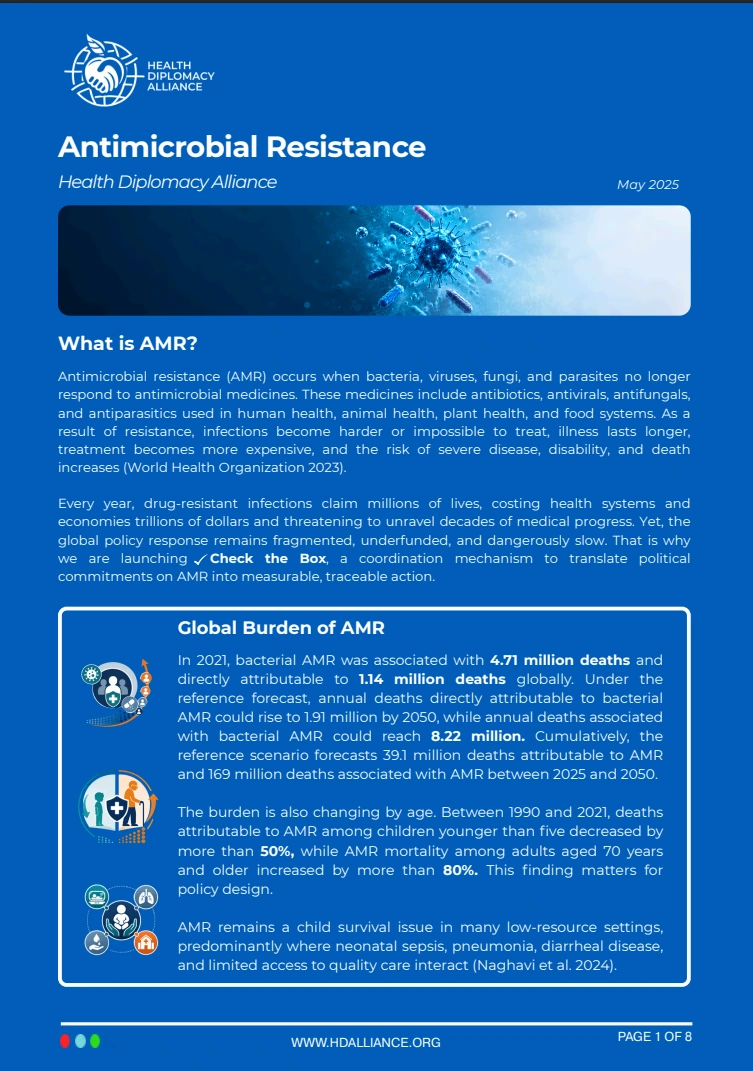
    Antimicrobial Resistance (AMR) is a medical, social, and policy crisis driving up mortality from both infectious and noncommunicable diseases, intensifying inequality, hindering economic stability, and challenging climate resilience, particularly in low-resource settings. While progress in antimicrobial pipelines is important, tackling drug-resistant infections urgently requires integration across infectious disease prevention, treatment, chronic care, and environmental health system.

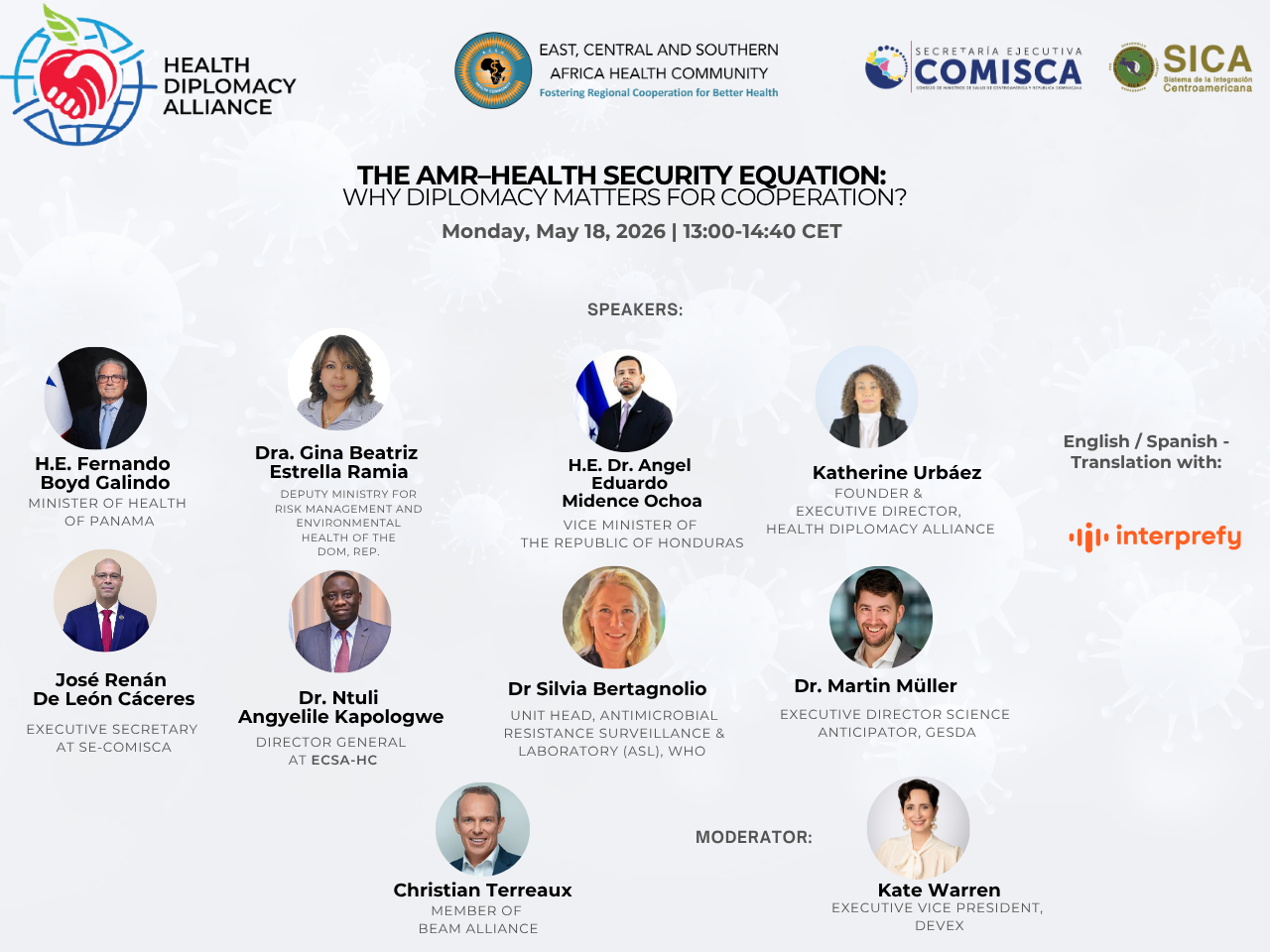
    In this context, as part of our Pillar of Work on One Health, and current efforts to elevate attention to the threat of AMR, we convened experts from the public and private sector, intergovernmental organizations, non-governmental organizations, and AMR survivors to share their work, experience, and inputs for sustainable solutions to the AMR crisis.

    The panel opened with introductory remarks from Katherine Urbáez, Executive Director of the Health Diplomacy Alliance, who also moderated the conversation. Urbáez set the stage for focusing on AMR prevention and mitigation by highlighting the need to explore global actions on AMR, the landscape of healthcare products, gaps in innovative prevention and diagnostics, and the push-and-pull incentives for sustainable financing mechanisms.

    This was followed by a panel discussion wherein Professor Dame Sally Davies, UK Special Envoy on AMR, highlighted the importance of the establishing an Independent Panel on Evidence for Action Against AMR. She stressed that an inclusive, representative, and One Health approach driven panel is key to inform evidence-based AMR prevention and mitigation policies, communicating an urgent need for ensuring sustainable funding mechanisms for their implementation.

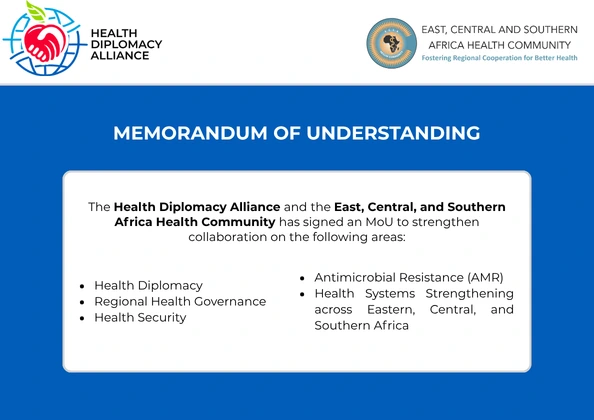
    Providing a glimpse into the regional relevance of the global AMR dialogue, Dr Ntuli Kopologwe, Director General, The East, Central and Southern Africa Health Community, shared the significance of establishing and financing National Action Plans on AMR. He stressed that member states need support to develop surveillance capacity and infrastructure and emphasized the need for strengthening regional partnerships and collaboration centered on a One Health approach.

    Bringing the perspective on innovation in medical products, Eva Rennen, Member of the Board of BEAM Alliance and co-founder at Nostics, shared the role of AI in accelerating pace, improving efficiency, and reducing price of novel antibiotics and diagnostics. She discussed incremental versus transformative innovation, stating a need to conceptualize preventive technologies beyond Infection Prevention and Control and WASH, and consider the entire patient journey from a holistic perspective.

    In reference to the link of AMR with NCDs, Per Wahlstedt, Expert in Healthcare from Swedish Cancer Society, brought to the fore the relevance of curbing AMR towards improving clinical management of Non-Communicable Diseases. He highlighted that around 300,000 people globally are affected with skin cancer and that AMR is 1.25 times more common in cancer patients. He recommended that AMR stewardship at the hospital and healthcare level is critical for improving quality of care for cancer patients.

    Sadhavi Chauhan, Government Engagement and Policy Manager, Access to Medicine Foundation, advanced the conversation on R&D of medical products by complementing it with the perspective of access. She shared the core facets of the AMR Benchmark, a tool that guides responsible production and distribution of antimicrobials and the role of member states in improving access to AMR products by designing supportive policies, regulations and guidelines.

    Bringing the story of patients and survivors. Vanessa Carter, Chair, WHO Task Force of AMR Survivors and of Executive Director of the AMR Narrative, provided critical patient perspective to the conversation by sharing her lived experience with drug resistant infections. She stressed the importance of including patient, survivor, and caregiver voices in designing policies to address the burden of AMR, highlighting the key role of awareness, surveillance and financing centred on community partnerships and collaboration.

    Our Alliance is committed to leverage diplomacy to support member states and relevant stakeholders to advance action on AMR work and monitor progress on the commitments  agreed in the past High-Level Political Declaration on AMR and current global and regional initiatives. This event, by closely examining the determinants for AMR prevention and mitigation and calling for an urgent need to adopt integrated interdisciplinary evidence-based solutions, is a step within our objective to sustain global momentum to reduce the AMR burden.

  • Health Diplomacy in Fostering Regional Cooperation: From Access to Sustainable Solutions in health

    Health Diplomacy in Fostering Regional Cooperation: From Access to Sustainable Solutions in health

    World Health Summit Regional Meeting 

    25 April, 2025. 10.45-12.15 IST 

    Health Diplomacy in Fostering Regional Cooperation: From Access to Sustainable Solutions in Health  

    The Asia-Pacific region faces significant challenges from AMR, with high morbidity rates and projected economic costs of up to US$ 148 billion. These challenges are compounded by climate change and environmental factors that drive the spread of infectious and vector-borne diseases. Accelerating innovation and ensuring stewardship and fair access to AMR countermeasures, such as antimicrobials, diagnostics, and vaccines, is essential to provide an equitable response to the challenge and improve public health outcomes. In this context, this event convened stakeholders from industry, medical research institutions, not-for-profit organisations, and youth to elucidate the interplay between key global health challenges- AMR, climate change, and equitable access to healthcare products.

    The panel hosted by the Health Diplomacy Alliance opened with introductory remarks from Mrs. Katherine Urbáez, Executive Director of the Health Diplomacy Alliance, who also moderated the conversation. Mrs Katherine set the stage for focusing on AMR prevention and control, given the risks posed by climate change to the Asia Pacific region and highlighting the role of ensuring access and stewardship towards novel countermeasures. This was followed by a panel discussion wherein Mr Syed Ahmed, CEO, TechInvention Lifecare Ltd., shared the importance of technology transfer in the context of the recent pandemic agreement negotiations and provided examples of regional collaboration for vaccine manufacture using a One Health approach.
    Mr Madhav Joshi, CEO of the India Health Fund, shedding light on the market for AMR innovation in the Asia Pacific and communicating the role of health diplomacy in fostering an investment ecosystem for innovative diagnostics for preventing infectious diseases and AMR. In similar stride, Dr Vasan Sambandamurthy, Senior Vice President, Bugworks Research Inc., shared access centric research and development models for manufacturing novel broad-spectrum antibacterial agents and the role of AI in aiding drug discovery.

    Turning to the implementation of AMR National Action Plans, Dr Jyoti Joshi, Senior Science Advisor, The International Centre for Antimicrobial Resistance Solutions, shared experiences in executing a framework for access and stewardship of reserve antibiotics and highlighted the merits of AMR-climate change integrated strategies to address global challenges. Dr Kamini Walia, Senior Scientist, Indian Council of Medical Research, brought attention to the vital need for striking a balance between access and excess in the antimicrobial and diagnostic regulation, specifically in the context of developing policies towards emerging and re-emerging infectious diseases.

    The panel concluded with Ms Tanushree Jain, Chair of Working Group on Health Education and Literacy, WHO Youth Council, shared youth driven regional and global cooperation initiatives on Antimicrobial Resistance centred on a Planetary Health approach. Thus, by closely examining the synergies among priorities of AMR, climate change and access to health products, the discussion highlighted the necessity for an integrated, evidence-based approach that maximizes resource efficiency while aligning with high-level political commitments.

    Key Takeaways:

    • ⁠ ⁠Policies for infectious disease prevention and control must integrate AMR, climate change, and access to healthcare products.
    • ⁠ ⁠Advancing Universal Health Coverage in the Asia Pacific requires climate-resilient health systems.
    • ⁠ ⁠Regional collaboration and sharing best practices are essential to reduce the AMR burden.
    • ⁠ ⁠Healthcare innovation must be distributed equitably and guided by strong stewardship.
    • ⁠ ⁠Sustainable and effective use of healthcare products depend on balancing innovation, access, and stewardship.

  • Navigating Health Diplomacy in a Shifting Geopolitical Landscape

    Navigating Health Diplomacy in a Shifting Geopolitical Landscape

    The recent geopolitical shifts raise urgent questions about the future of global health. As the influence of traditional global health actors wanes, new power dynamics are emerging, with regional blocs and non-state actors playing increasingly prominent roles. At the same time, health itself is being transformed by rapid technological advancements such as AI, which require appropriate governance to ensure equitable access and ethical use. These shifts call for a reassessment of whether existing multilateral structures can adapt or if more decentralized and equitable approaches are required to govern health effectively in a changing world.

    At the WHS Regional Meeting in Delhi last Saturday, the Global Health Diplomacy Network hosted a session titled “Navigating Health Diplomacy in a Shifting Geopolitical Landscape: Challenges and Opportunities to the Multilateral System and the Path Forward”. As traditional power structures shift, how can the global health community navigate this evolving landscape? Will this provide new opportunities and momentum for change? Who will lead in setting health priorities, securing financing, and ensuring equitable access to health services, particularly for marginalized groups of the population and areas facing humanitarian crises?

    The Rt Hon. Helen Clark from New Zealand and Professor Yik-Ying Teo from Singapore started the discussion by pointing to the growing unpredictability of global funding, the weakening of multilateral institutions, and the urgent need for stronger regional leadership, local capacity building, and sustainable financing. Brian Li Han Wong connected to the discussions around Health Diplomacy and AI, which took place in Bangkok in January at PMAC 2025, and shared insights from the newly published opinion piece, “From algorithms to negotiations: Why health diplomacy must adapt”.


    A discussion with Katherine Urbáez from the Dominican Republic and Gulshan Sachdeva from India explored the future of multilateral cooperation and diplomacy. Finally, Esperanza Martinez officially launched the GHD Network’s website, highlighting the importance of investing in future diplomatic capacities.

    The present crisis is an opportunity for reforms, new agenda, global collaboration, and global functions. Global health diplomacy is a fundamental aspect of global health governance. However, there is a need for different partnerships to navigate the complex challenges ahead.