
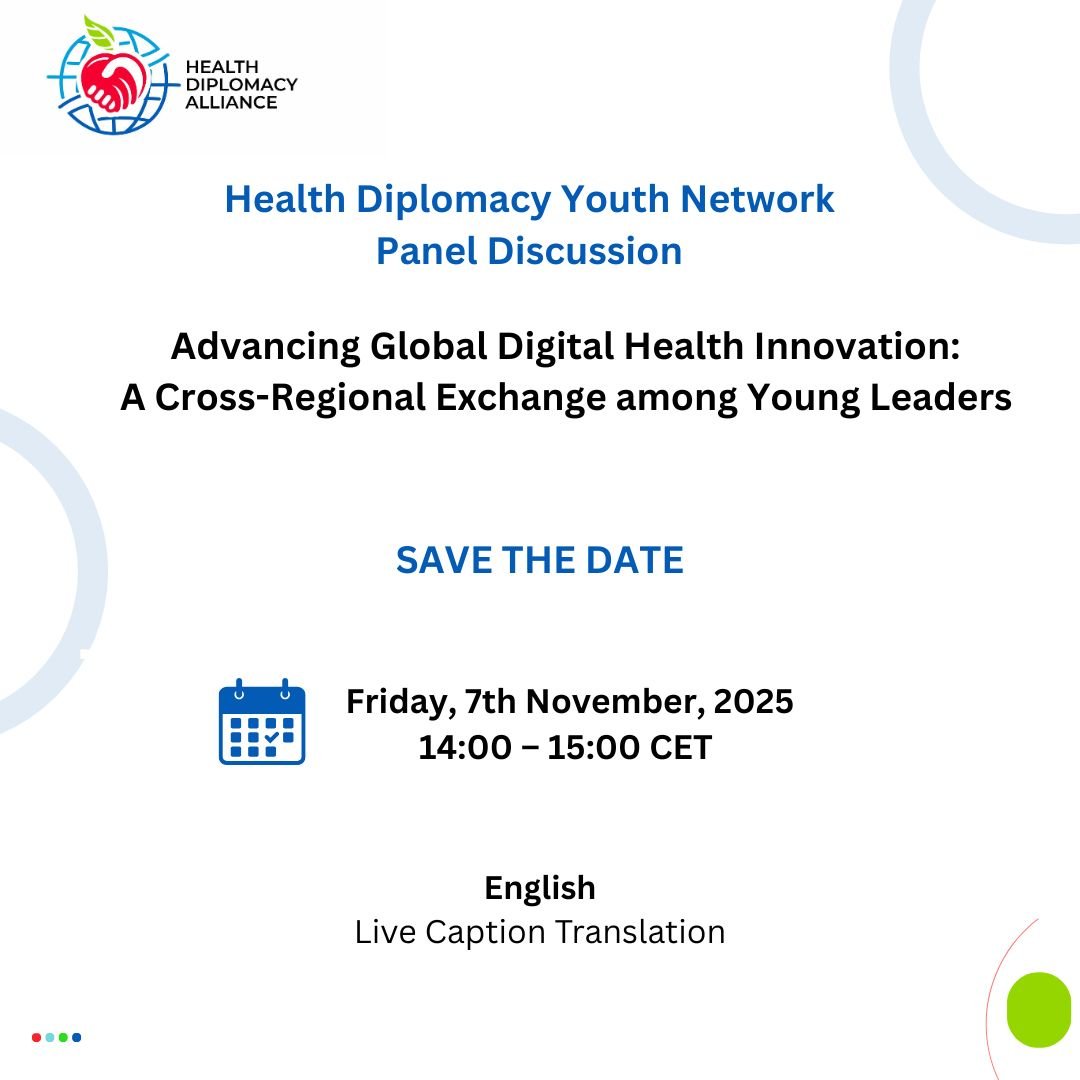
Digital health holds tremendous promises for expanding access, improving care quality, and strengthening health systems globally. Yet its implementation remains uneven, shaped by regional disparities in governance, digital infrastructure, financing models, and institutional capacity. In the context of the recently launched WHO Global Digital Health Strategy (2025–2030), the Health Diplomacy Youth Network (HDYN) convened a cross-regional dialogue to examine these challenges and explore how young professionals can drive equitable, context-appropriate digital health transformation.
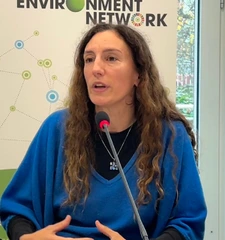
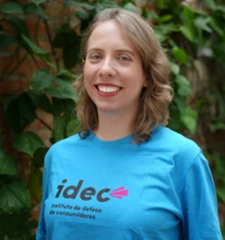
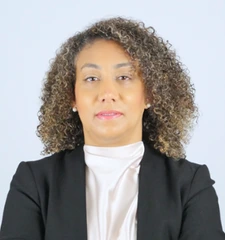
The session opened with remarks from Abigail Salen, Visual and Content Manager, Nayon, who framed the discussion around the WHO Science Council’s four strategic pillars; Connect, Educate, Invest, and Evaluate. She emphasized that digital health must be guided by principles of equity, human-centered design, and responsible innovation.
Adam Skali, Director of Innovation at CIES e-Health Innovation Centre, provided insights into the ongoing development of the European Health Data Space (EHDS). He noted that while the EHDS promises transformative opportunities for research and cross-border health data integration, its implementation is slowed by fragmentation across 27 member states, varying levels of technical readiness, and complex GDPR considerations. His perspective underscored that even in high-resource regions, digital health transformation requires navigating legal, political, and institutional tensions that extend beyond technology.
Esther Opone, Research Fellow at the Digital Transformations for Health Lab, highlighted the importance of governance frameworks that address digital harms. She explained that well-intentioned digital health tools can create unintended consequences, dependence, overuse, misinformation, or psychosocial strain if policy safeguards are not in place. Her intervention emphasized that digital innovation must extend beyond clinical functions to include prevention, health promotion, and ethical design.
In addition, Dr. Anthony Li, Preventive Medicine Physician at the National University Health System, stressed the need for digital health tools to demonstrate clear clinical and economic value. He noted that health systems often underestimate long-term maintenance, integration, and infrastructure costs. His remarks highlighted that sustainability, not novelty, must guide the adoption of digital health technologies.
Rustam Shariq Mujtaba, External Relations Lead at HDYN, moderated the panel, steering a dynamic conversation on governance gaps, implementation barriers, and the role of youth leadership across Europe, Africa, and Southeast Asia.
The dialogue highlighted youth leaders’ unique role in advancing equitable digital health transformation through co-creation, active listening, and cross-regional learning. Panelists stressed that young professionals with digital fluency and lived experience are essential to shaping governance frameworks that reflect modern technological realities. The discussion concluded with a call to strengthen policy coherence, invest in capacity-building, and create structured pathways for meaningful youth engagement in digital governance.
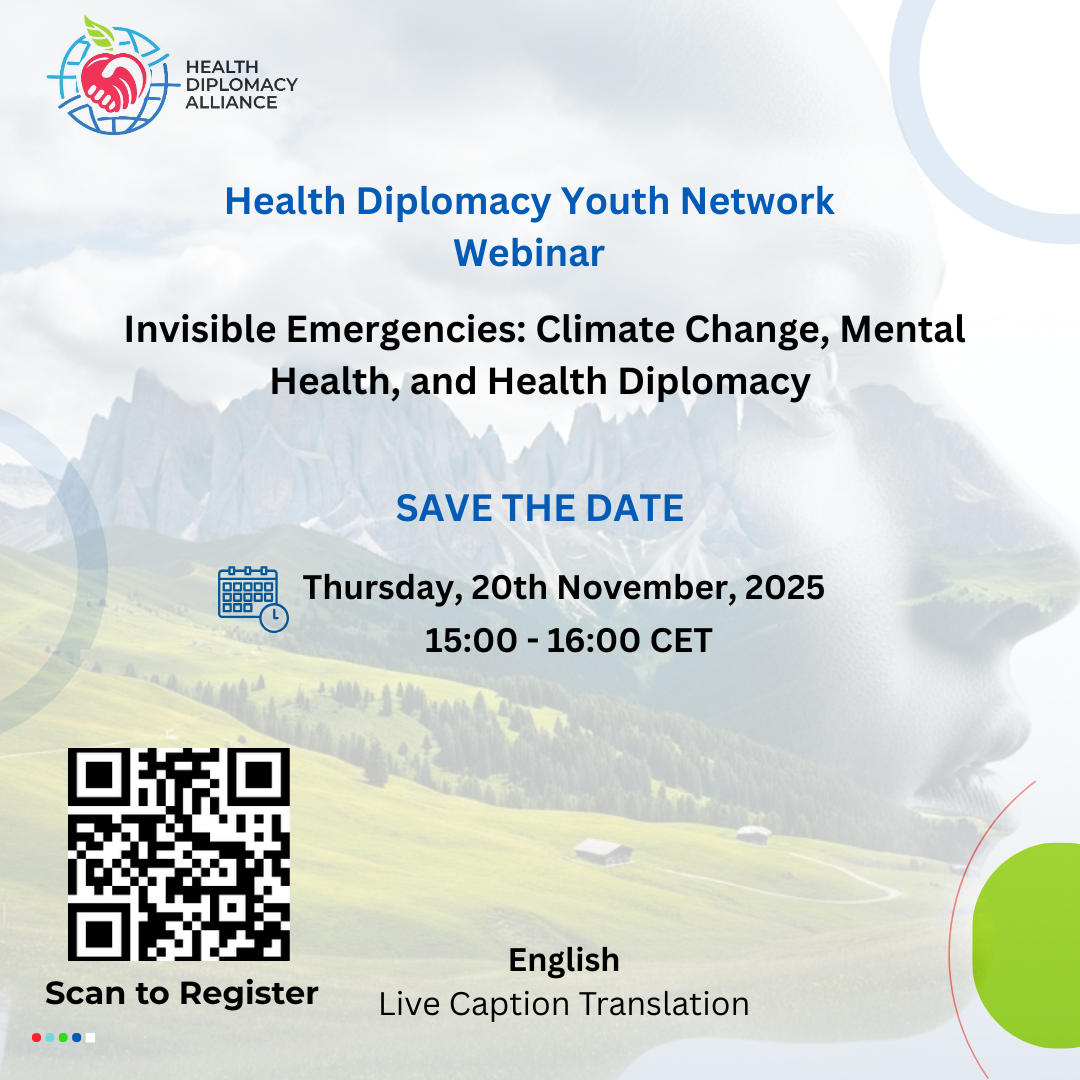
As climate impacts intensify, exacerbating trauma, food insecurity, displacement, and health inequities, mental health continues to be overlooked in climate strategies, underscoring the need for integrated action. Held in the wake of the Health Day deliberations at COP30, the webinar organized by the Health Diplomacy Youth Network responded to growing recognition of the psychological toll of climate change on vulnerable and climate-affected communities. With participation from youth leaders, environmental psychology experts, and community mental health practitioners, the session brought mental health to the forefront of climate diplomacy.
Ayesha Ali, Coordinator of the Commonwealth Youth Health Network, opened the session by highlighting the gap between policy commitments and real-world access to mental health services in climate-vulnerable regions, especially for women, rural populations, and young people.
Matteo Consiglio, Lead, Food and Water Systems, Swiss Youth for Climate, underscored how climate-driven food insecurity contributes to anxiety, stress, and psychosocial instability, calling for stronger links between food systems, environment, and public health.
Dr. Jakub S. Bil, Universal Health Coverage Working Group Co-Chair, Global Mental Health Action Network, emphasized community-based and rights-based mental health approaches, noting that climate impacts frequently compound pre-existing trauma and inequities, and stressed co-design of solutions with affected communities as central to sustainable implementation.
Dr. Harshita Umesh, Focal Point, Health Working Group, YOUNGO, highlighted the limited integration of mental health within UNFCCC processes and called for mental health to be embedded across adaptation and disaster response mechanisms, while Dion Ras, Executive Committee Member, International Association for Youth Mental Health, brought a grassroots lens, emphasizing peer support, lived experience, and the need for accessible, youth-informed systems of care in the face of climate stressors.
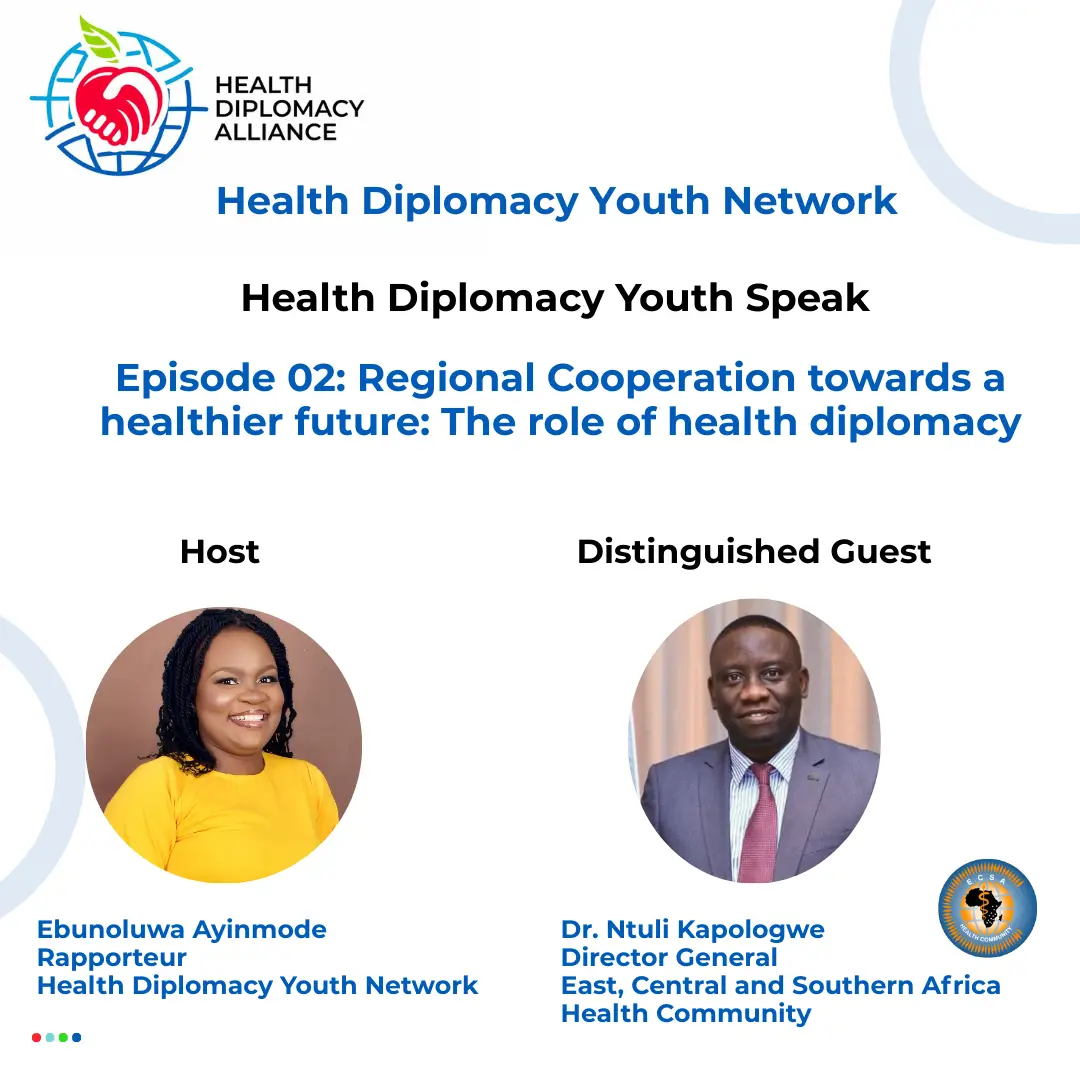
During the panel discussion, Ebunoluwa Ayinmode steered a conversation that underscored the gap between policy ambition and implementation, the invisibility of cumulative climate-related trauma in formal frameworks, and the need for health diplomacy to align institutions, communities, and youth constituencies around shared priorities
This event marks an important step in elevating the climate–mental health objectives enshrined in the Belem Health Action Plan by mobilizing diverse expertise, amplifying youth and community voices, and identifying practical pathways for integrated, equity-focused action. The Health Diplomacy Youth Network remains committed to advancing diplomatic engagement, intergenerational collaboration, and evidence-based advocacy to ensure that mental health becomes a central pillar of climate resilience.
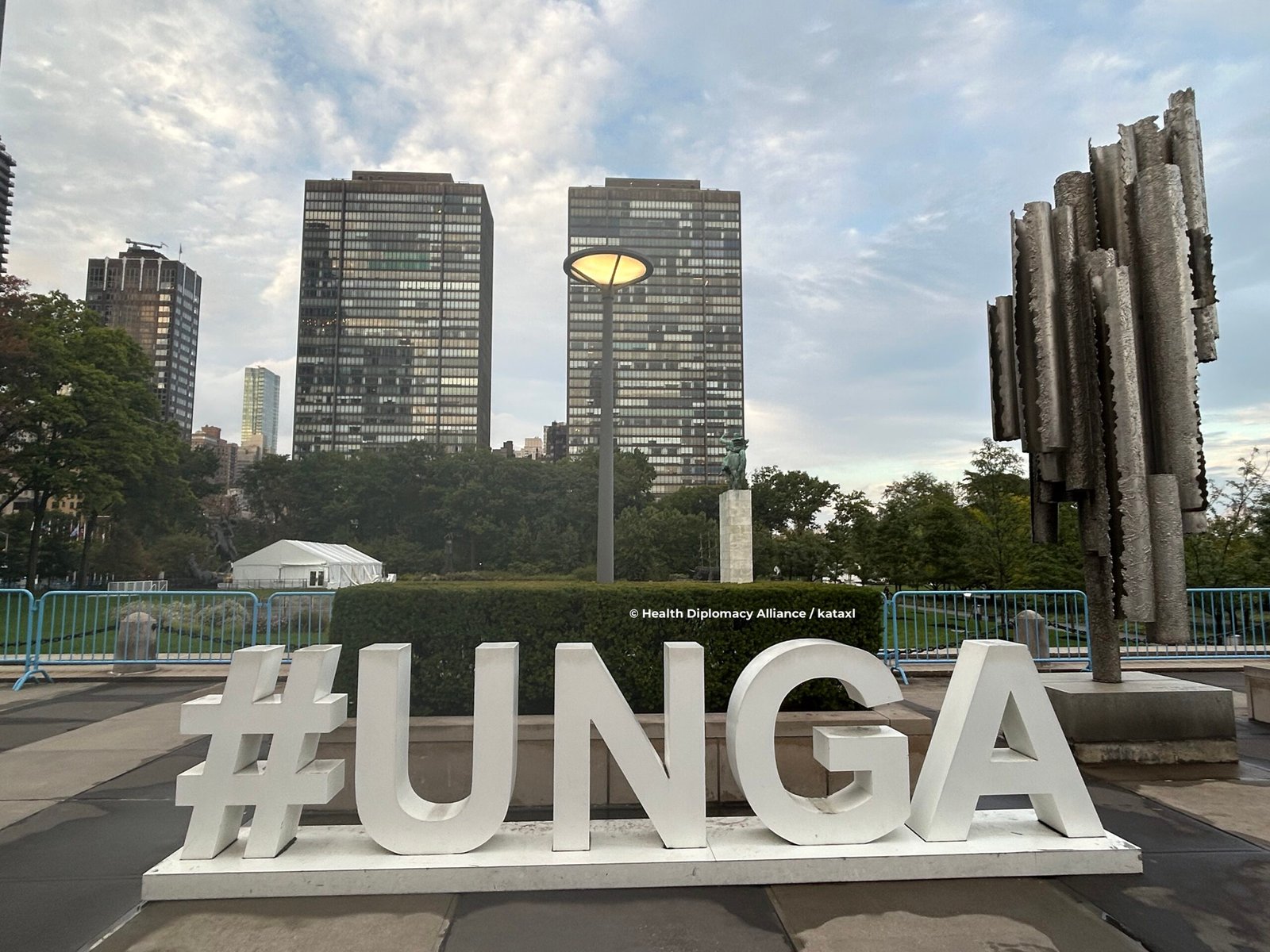
UNITED NATIONS GENERAL ASSEMBLY
The 80th United Nations General Assembly took place in New York from September 9 to 28, 2025, and it put health diplomacy in the spotlight. This year’s high-level segment showed how changing global politics affects health governance, getting people to work, getting patients involved, and funding.
The Fourth High-Level Meeting (HLM4) on Noncommunicable Diseases (NCDs) and Mental Health, which took place on September 25, 2025, was a key event. It set big goals for lowering the number of deaths that happen too soon and making mental health care more available by 2030. The process, however, came to a halt when an opposition to the political declaration was presented, related to many aspects, including language related to gender and reproductive rights. That opposition showed weakness in governance, when it comes to reaching a consensus and how domestic politics affect multilateral agreements. The delay puts at risk and slows down the push for coordinated action against NCDs.
Along with official meetings, delegates had lively talks about the state of health financing. These debates stressed the need for long-term investment plans, better cooperation between states, and new ways to pay for things to fill in the gaps in health systems. Participants stressed the need to get health workers from all over the world to work together, make it easier for people to move across borders, and set up standard training programs. These steps were said to be necessary to fix the problem of not enough workers and make sure that everyone gets the same high-quality care.
The addition of patient voices was a new part of the talks. Patients advocated for their own views on lived experience, policy impact, and accountability. These discussions made it clear that patients wants be involved in health governance processes not just as a token gesture, but as a key part of how decisions are made.
There was also New York Climate Week from September 22 to 28, which linked climate change closely to health diplomacy. Informal talks focused on how environmental risks and public health are related, such as how climate change makes noncommunicable diseases worse. Policy approaches that combine making the health system stronger with making it more resilient to climate change.
Geopolitics was another important part. More than 150 UN member states officially recognized the State of Palestine, which changed the political landscape of the Assembly . These events happened at the same time as discussions about health diplomacy, showing that global health policy doesn’t happen in a vacuum but is affected by larger geopolitical trends.
The UNGA 2025 made a growing truth even stronger: to be effective, health diplomacy needs to include patients’ voices, make sure that workforce systems work together, find long-term financial mechanism, and navigate political swifts.
.
Climate change is a force multiplier that drives migration and exacerbates the spread of infectious diseases. Effective health diplomacy is required to address this complex climate-migration-disease nexus. The climate crisis increases the frequency of extreme weather events, such as droughts, wildfires, flooding, and tropical storms, which lead to more environmentally-driven conflicts and instability, driving migration. In 2024 alone, more than 45 million people were displaced due to environmental disasters, which is nearly double the average annual displacement that occurred over the last decade.
Climate migration can result in endemic infectious diseases becoming epidemic, increased environments for pathogens to interact via zoonoses, and potential spillover events into human populations. Over 50% of the currently identified infectious diseases will be aggravated by climate hazards. Additionally, climate-related events contribute to an increase in vector-borne, waterborne, and infectious diseases. As an example, Venezuelan migrants traveling through the Andes experience increased rates of infectious and vector-borne diseases from contaminated water due to flooding or drought. Other migrants’ movement through the Darién Gap in Central American has also caused high rates of respiratory and diarrhea cases, as well as increased spread of Yellow Fever in Panama from Colombia.
At the Alliance, our Pillars of Work embrace the intersectional approach necessary to address this triple threat nexus. In line with our focuses on One Health, Environmental & Climate Change, and Right to Health, we convened expert policy analysts and researchers to share their insights on this multifaceted issue.
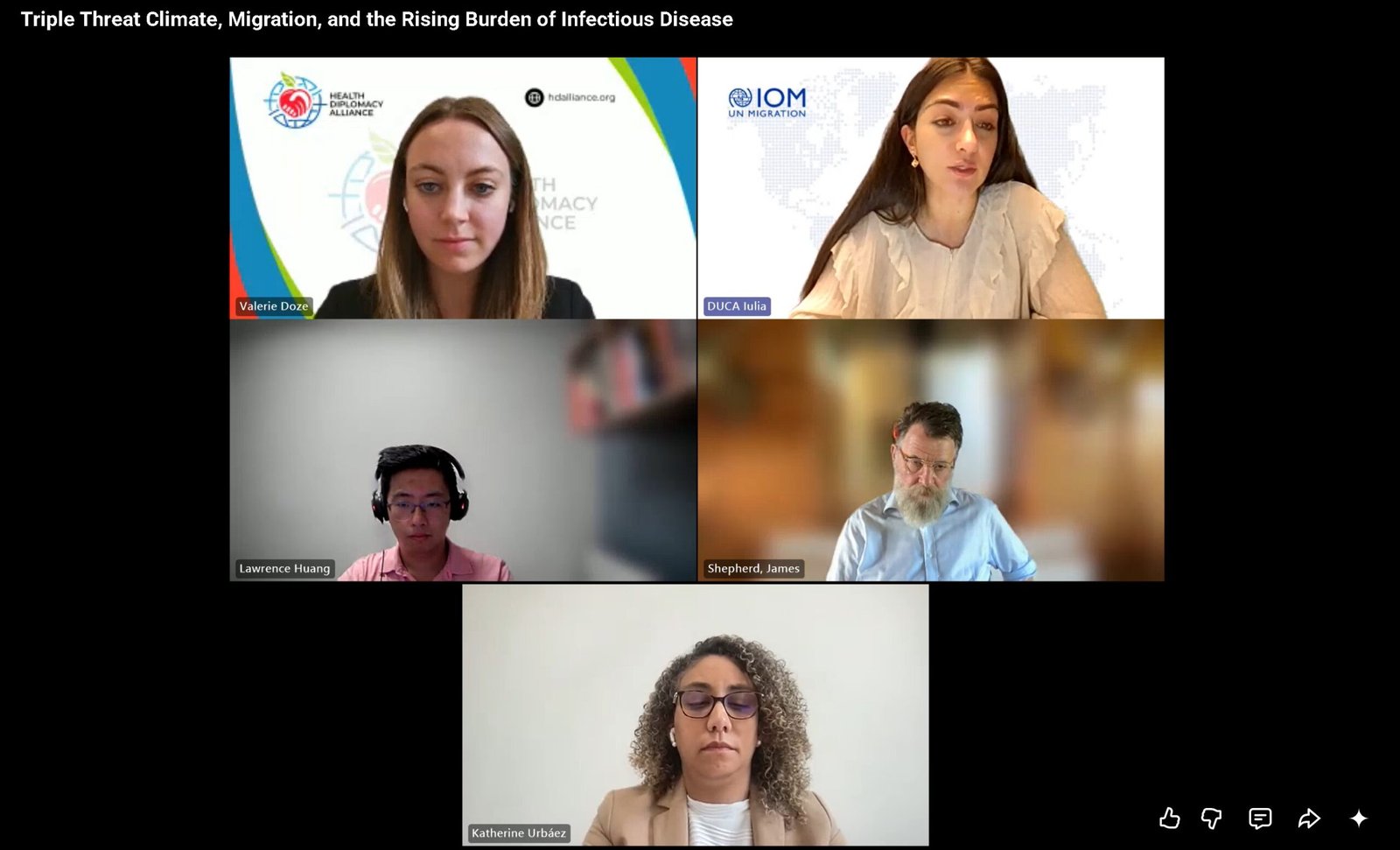
The webinar opened with introductory remarks from Katherine Urbáez, Executive Director of the Health Diplomacy Alliance, as she set the stage for by highlighting health diplomacy’s role as a key, practical tool to coordinate at the multi-sectoral level to promote the shared solutions necessary to address this interlinking topic. She emphasized that health diplomacy is vital to facilitate the dialogue and cooperation among diverse actors, including governments, international organizations, civil society, and health services.
Diving into the field-specific experts, the event was moderated by Valerie Doze, Climate Health Intern at the Health Diplomacy Alliance. The discussion was started by Iulia Duca, Programme Officer in the Climate Action Division at the International Organization for Migration (IOM). She emphasized that climate, migration, and health are not isolated issues, but are rather deeply interconnected, influencing and amplifying each other. Thus, a comprehensive approach is necessary to respond in a coherent, inclusive, and cross-sectoral capacity, which IOM recognizes in their work. From drought in the Horn of Africa to floods in Pakistan, people are being uprooting from their homes.
Ms. Duca continued to explain that displacement today is often prolonged, occurring internally, and taking place in fragile contexts where health systems are already under threat. In these environments, the risk of infection, diseases, and outbreaks are amplified, and access to essential health services is negatively impacted. IOM witnesses first-hand how environmental impacts disrupt traditional migration routes, causing people to be pushed into overcrowded informal settlements. She explained how this overcrowding results in forced interactions with new ecological zones, increasing disease transmission risk. These displaced populations also suffer from limited or no access to primary health care, resulting in disrupted vaccinations, inadequate maternal and child care, and improper nutrition, water, and sanitation. Thus, a multi-sectoral approach is needed to address these compounding issues. Ms. Duca stressed the need to mobilize resources and actions through fostering partnerships across diplomacy, health, climate, and migration sectors to invest in more resilient systems that ensure people on the move are not left behind but rather protected, empowered, and included in every decision.
Bringing the infectious disease perspective, the next perspectives were offered by Dr. James Shepherd (MD PhD), a faculty physician in the Section of Infectious Disease, Department of Medicine of Yale University School of Medicine. Dr. Shepherd emphasized that environmental factors bring infectious disease hosts, such as humans, in contact with agents, which are infections. Health diplomacy focuses firstly on hosts, or the human aspect of contracting diseases. Having previously worked for the WHO as a tuberculosis (TB) and HIV specialist in South Asia, he helped with the Global Outbreak and Response Network during the COVID-19 pandemic. Based in a 1,000,000 population camp in Cox’s Bazar, Bangladesh, health diplomacy required them to work with IOM, UNHCR, MSF, Save the Children, Red Cross, Red Crescent, and the Bangladeshi government to assist these forcibly displaced Myanmar natives. He stressed the importance of international cooperation on these efforts, which has since been stymied by the massive shift in US domestic politics. Global health has benefited from the support from the UN, WHO, Gavi, and other large international efforts focused on infectious diseases and climate change. Therefore, he shared thoughts on the potential for organizations to become more collaborative amidst the funding cuts, evolving diplomatically into new ways of working together.
Dr. Shepherd continued to explain how humans in an environment are incredibly conducive to the transmission of infectious diseases, especially when almost no facilities and public health services are provided, which can result in another global pandemic. For instance, human movement from the countryside to unincorporated settlements on the edge of cities can change the complexion of infectious diseases. In Dharavi, a settlement in Mumbai, India, is a fertile place for infectious diseases, such as TB and now, COVID-19, to spread, due to the high population density and lack of sanitary public health facilities.
Bringing his climate-migration experience was Lawrence Huang, a policy analyst with the Migration Policy Institute’s International Program. Having worked on MPI’s Global Initiative on Climate Mobility, he spoke on displacement and migration related to climate and environmental shocks. Research consistently shows that climate change is rarely the sole factor determining people’s movement, but it is usually a threat multiplier of economic, social, political, or health related drivers of mobility. While not the main issue, environment and climate drivers are often hidden behind other factors driving human displacement, such as loss of livelihoods and homes. This intersection of massive disasters leads to internal and cross-boundary movement. Mr. Huang elaborated that climate change and health interact in these situations in terms of vulnerability to infectious diseases and other health shocks, especially as health services can decline during disasters and other climate shocks.
Mr. Huang emphasized the critical missing piece of the work, which is that migrants, refugees, and displaced people are often excluded from climate action, response, and programming. After losing their homes and moving into informal settlements, many migrants are often hit by floods, landslides, and other disasters because the settlements are located in areas without climate resilient infrastructure and systems. He stressed the importance of integrated holistic approaches to solve these compounding crises. As policymaking tends to be siloed, cross-sectoral collaboration is vital.
Our Alliance is committed to leveraging health diplomacy to support member states and relevant stakeholders to increase collaboration across health, migration, and climate policy. This event, by fostering conversations about the gaps in this triple threat nexus, and exploring solutions to address these issues, aligns with our work to build strengthen the global response to health challenges by promoting cross-sector coordination.
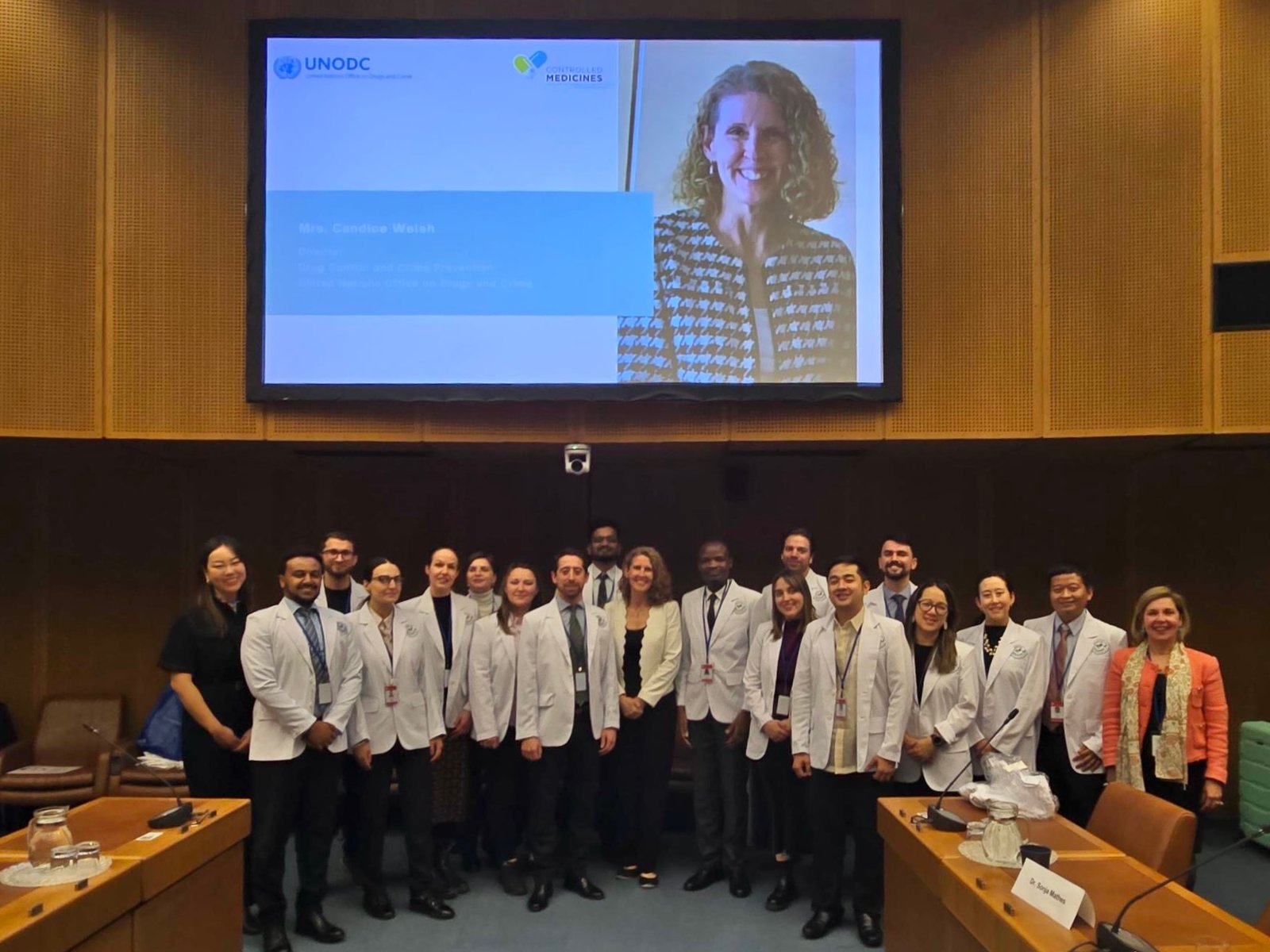
Dr. António Marques Pinto, Vice-Chair of the Health Diplomacy Youth Network (HDYN), recently played an instrumental role in the first in-person meeting of the UNODC Young Doctors Network (YDN), convened in Vienna, Austria (March 2025), on the margins of the 68th Session of the United Nations Commission on Narcotic Drugs (CND). This high-level gathering, organized by the United Nations Office on Drugs and Crime (UNODC), brought together an exclusive cohort of early-career medical professionals selected from across the globe to deliberate one of the most complex and ethically charged challenges in global health governance: ensuring equitable access to internationally controlled medicines while simultaneously preventing diversion and misuse. Internationally recognized as the vanguard of medical and health diplomacy leadership, these individuals are not merely emerging professionals, but the undisputed elite of their generation: young medical leaders already shaping policy, driving innovation, and influencing global health narratives at the highest levels.
The meeting featured in-depth technical exchanges with representatives from the World Health Organization (WHO), the International Narcotics Control Board (INCB), and UNODC experts and high-level officers (including Ms. Candice Welsch, Director of Policy Analysis and Public Affairs at UNODC), with sessions exploring the regulatory, clinical, and ethical dimensions of drug control conventions in contemporary medical practice. Special emphasis was placed on the structural barriers to adequate pain management, palliative care provision, and the safe and effective use of controlled substances in humanitarian and low-resource settings.
As an active contributor to the proceedings, Dr. António Marques Pinto played a key role in the drafting and delivery of the final joint statement issued by the YDN, which outlined five strategic areas for action: enhancing capacity-building through medical education; promoting independent research on access and diversion; strengthening community engagement in health policy design and implementation; supporting health professionals through digital tools and peer networks; and critically reviewing national policies that, absent scientific basis, hinder the rational and human rights–based use of essential medicines.
More than a technical consultation, the meeting reaffirmed the vital role of youth leadership in redefining the architecture of global health diplomacy. In his interventions, Dr. Marques Pinto underscored the strategic value of elevating youth perspectives from mere consultation to positions of structured influence within multilateral governance. He emphasized that youth inclusion must be recognized not only as a matter of equity, but as a diplomatic asset: indispensable to the renewal, responsiveness, and legitimacy of international health institutions. He highlighted the urgent need for institutional frameworks that elevate youth-led expertise from peripheral consultation to structured influence in multilateral decision-making and indeed reaffirmed the HDYN’s commitment to strengthening the interface between scientific evidence, ethical responsibility, and diplomatic negotiation (three pillars that are indispensable in navigating the XXI century health policy landscape).
The presence of these highly accomplished young physician-leaders (many of whom already occupy key roles in national health systems, international networks, and policy platforms) not only brought credibility and relevance to the international deliberations, but also helped anchor global health diplomacy in lived realities, professional integrity, and intergenerational equity, therefore sending a clear and powerful signal: the next generation is not waiting in the wings but is ready, equipped, and committed to leading the complex negotiations required to secure global health justice.
Caption:
Group photo of the UNODC Young Doctors Network, taken during the 68th Session of the Commission on Narcotic Drugs (Vienna, March 2025). At the center of the image stands Dr. António Marques Pinto, Vice-Chair of the Health Diplomacy Youth Network, to the right of Ms. Candice Welsch, Director of Policy Analysis and Public Affairs at UNODC. Standing at the far right is Dr. Elizabeth Sáenz, Drug Control and Crime Prevention Officer from the Prevention, Treatment and Rehabilitation Section of UNODC Drug Laboratory and Scientific Services Branch.