Dr. Flavia Bustero
GW Voices | Former WHO Assistant Director-General | Vice-Chair, Foundation Botnar | Co-Chair, Lancet Commission on GBV
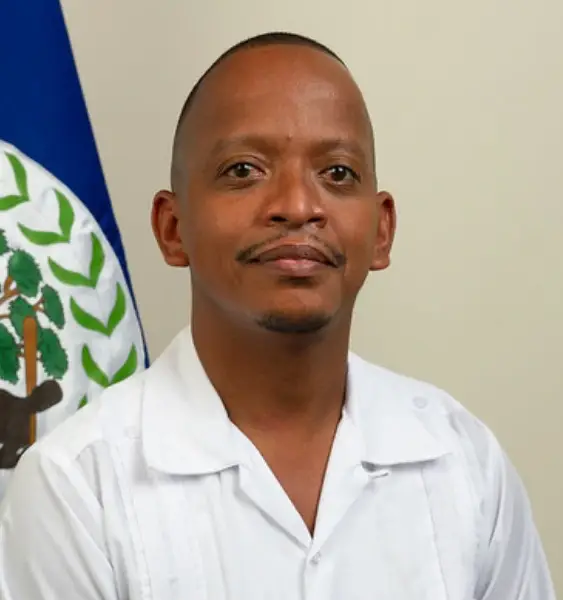
Hon. Kevin Bernard
Minister of Health and Wellness of Belize
Dr. Bruce Aylward
Coordinator of UN80 Initiative and WHO Reform | Former WHO Assistant Director - General
Marilyne Andersen
Director General , Geneva Science Diplomacy Anticipator (GESDA)
Richard Pearshouse
Senior Member - Advisory Committee - Health Diplomacy Alliance \ Head of the Environment and Human Rights Division , Human Rights Watch

Katherine Urbáez
Executive Director, Health Diplomacy Alliance






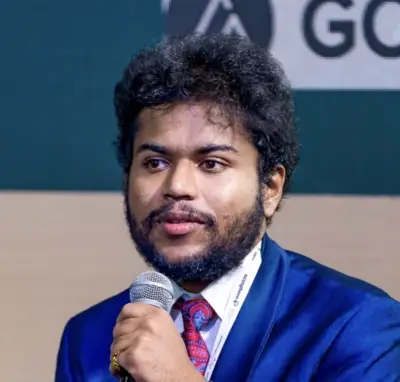
Mr. Gokul Rajendran
CEO @ Govardhan & GITMA
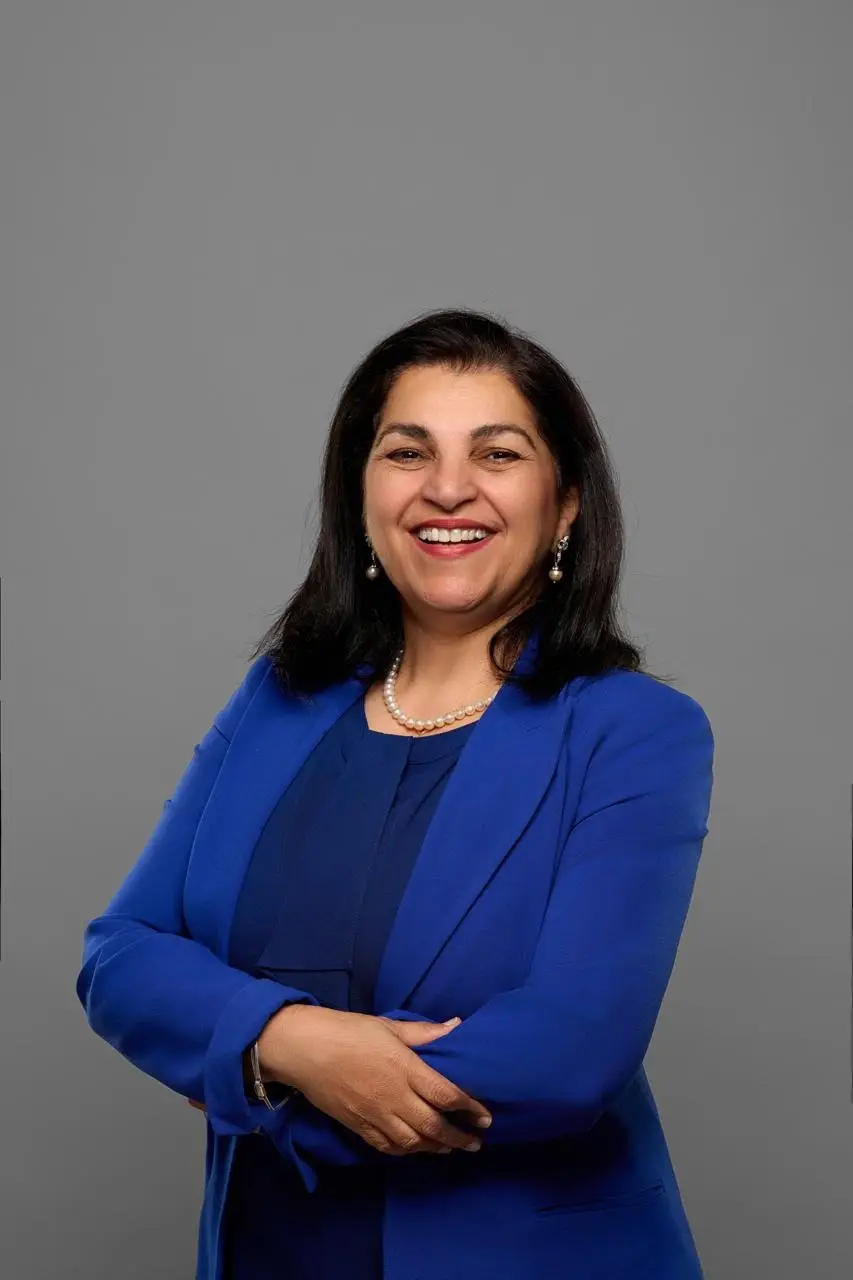
Dr. Naeema Al Qasseer
Global Health & Development Expert & Former WHO Senior Official
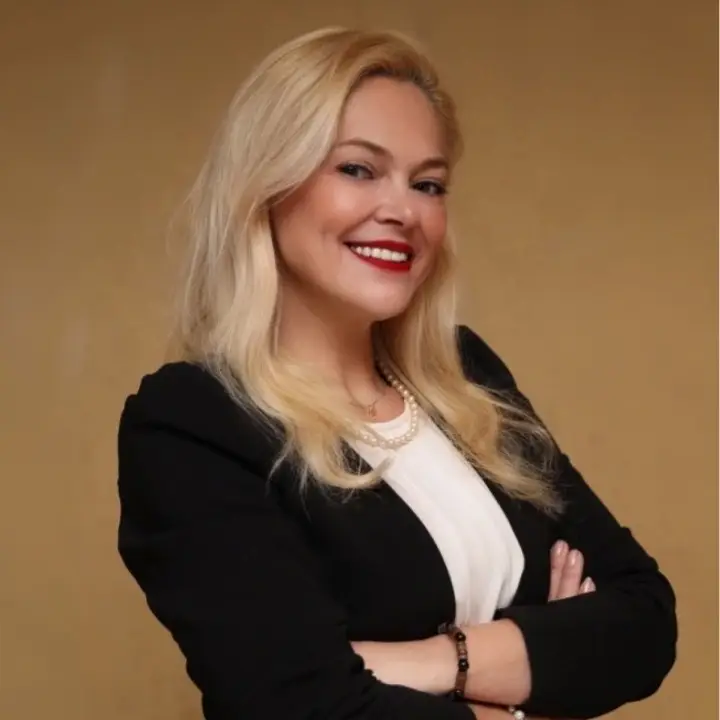
Ms. Cristina Romanelli
Programme Officer, Biodiversity, Climate Change and Health, WHO
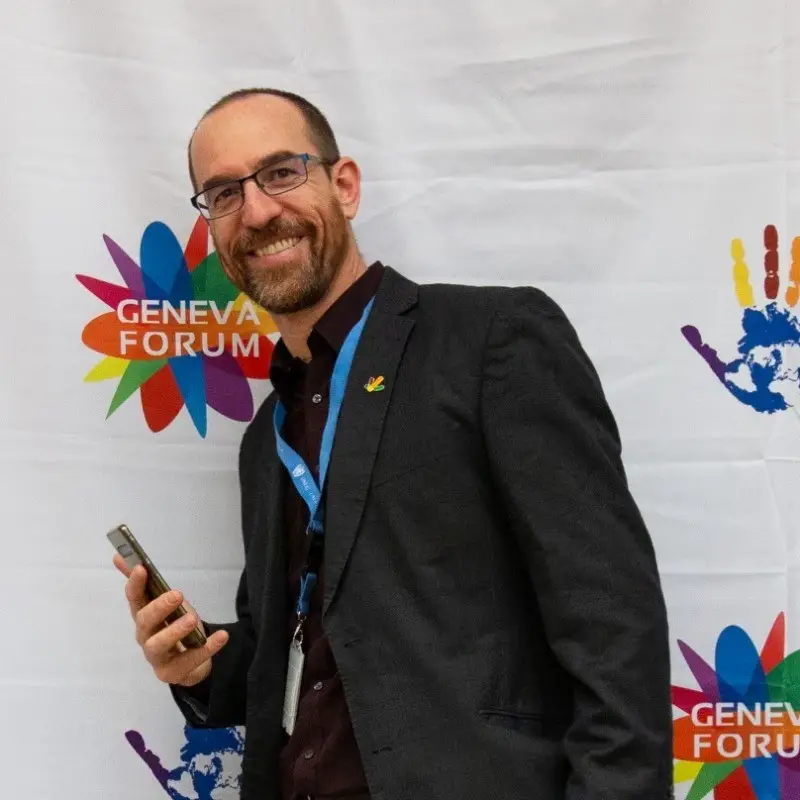
Mr. Thomas Egli
Founder @ Geneva Forum
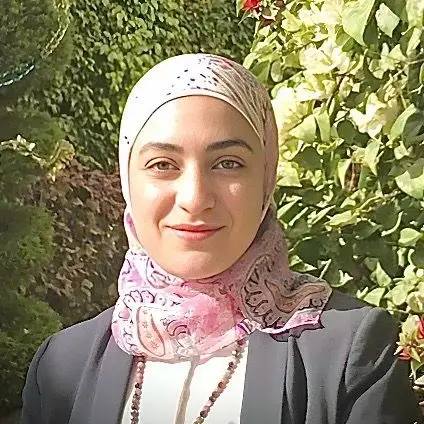
Dr. Mona El-Sherbini
Asso. Prof. of Infectious Parasitic Disease @ Cairo University, Egypt
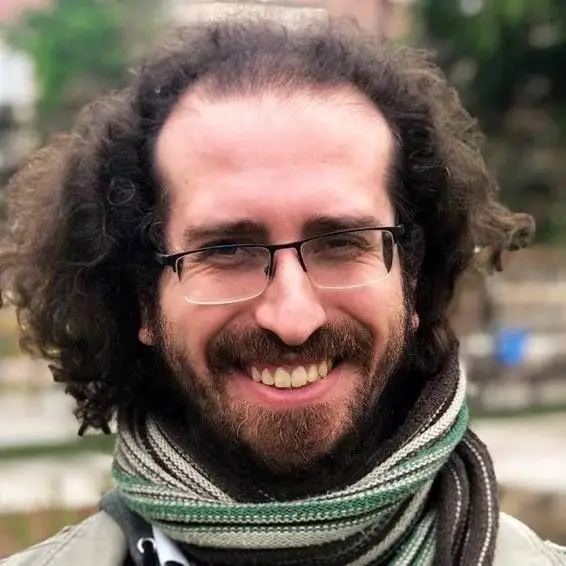
Mr. Domenico
Founder @ International One Health Conference

Hanan Mohamed al-Kuwari
Advisor to the Prime Minister for Public Health Affairs, Former Minister of Public Health, Qatar
Ebere Okerere
Global Health Adviser at the Mohamed bin Zayed Foundation for Humanity
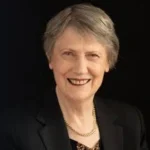
Helen Clark
Former Prime Minister of New Zealand and Former Administrator of the United Nations Development Programme (UNDP)
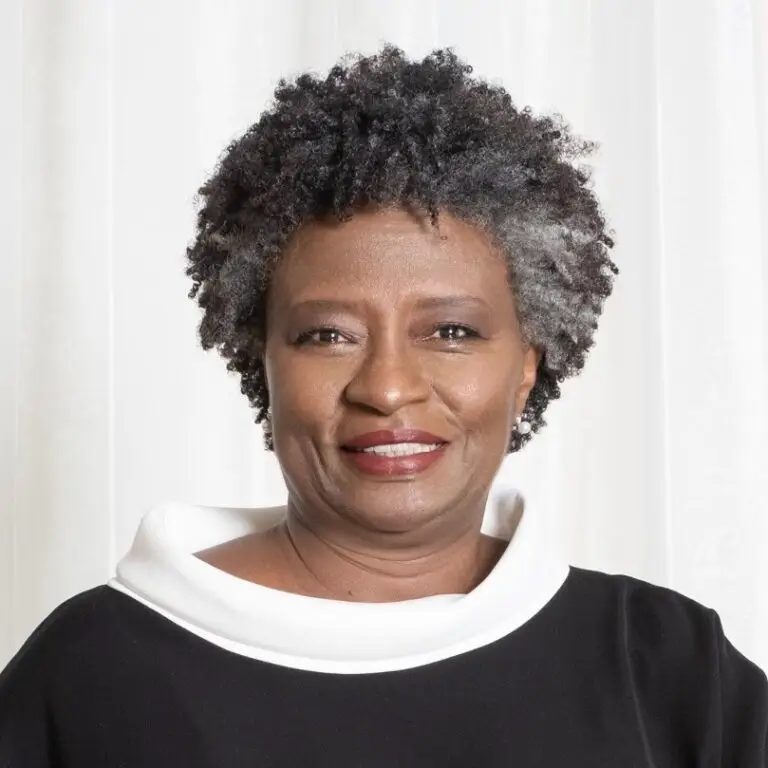
Dr. Magda Robalo
Member of the High-Level Panel of the Accra Reset Initiative, President and co-founder of The Institute for Global Health and Development (IGHD)
Satoshi Ezoe
Senior Assistant Minister for Global Health, Ministry of Health, Labour and Welfare (MHLW), Japan
Minghui Ren
Professor, Department of Global Health, School of Public Health, Peking University

John-Arne Røttingen
CEO, Wellcome Trust

Richard- Horton
Editor-in-Chief, The Lancet
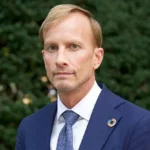
Mark R. Dybul
Chief Strategy Officer & Professor, Center for Global Health Practice and Impact, Georgetown University Medical Center
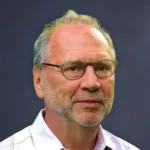
Peter Piot
Handa Professor of Global Health, LSHTM; Special Advisor on European and Global Health Security
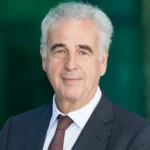
Michel Kazatchkine
Senior Fellow, Global Health Centre, Geneva Graduate Institute; Senior Advisor, WHO Regional Office for Europe; Member, Independent Panel for Pandemic Preparedness and Response (IPPR)

Dr Anders Nordström
Director, PIPDH | Former Swedish Global Health Ambassador | Former Acting DG, WHO


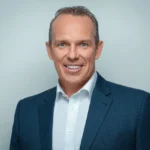
Christian Terreaux
Public Affairs Director, OM Pharma
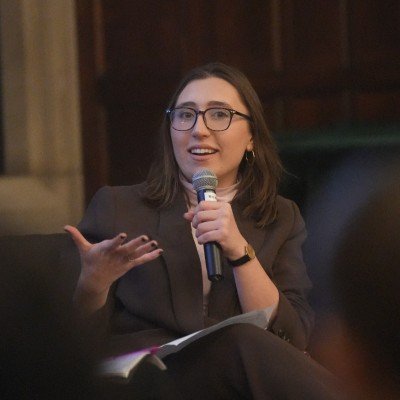
Abigail Corrao
Adjunct Professor, Georgetown University; Co-Founder, Global Health Governance as Public Service.
Panagiotis Chaslaridis
Senior Policy Advisor, European Federation of Allergy and Airways Diseases Patients’ Associations

Katherine Urbáez
Executive Director, Health Diplomacy Alliance

Prof. Helena Pité
Professor of immuno-allergology Hospital CUF Tejo, Lisbon


Anna Weinzierl
First year Master’s in International and Development Studies, specialising in Sustainable Trade and Finance

Vittoria Cateni
First-year Master’s student in International and Development Studies, specializing in Migration.

Charlotte Howden
First year Master’s in International and Development Studies, specialising in Global Health

Pia Mehdwan
First-year Master’s student in International and Development Studies, specializing in Global Health.

Christoph Benn
Executive Director, JLI Center for Global Health Diplomacy

Cristina Nakano
Project Manager for Innovative Financing, JLI Center for Global Health Diplomacy
Rafael Garcia
Portfolio Manager, JLI Center for Global Health Diplomacy


Dr. Jacqueline Kitulu
President of the World Medical Association
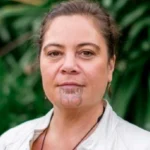
Emma Rawson Te-Patu
President World Federation of Public Health Associations. Expert Member United Nations Permanent Forum on Indigenous Issues
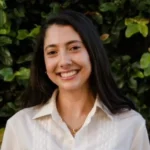
Dr. Paula Reges
Advisor, Global Health | Pasteur Network
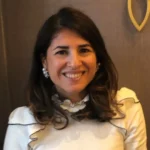
Dr. Valeria Gigante
Lead, R&D and Innovation Workstream for Antimicrobial Resistance (AMR), World Health Organization
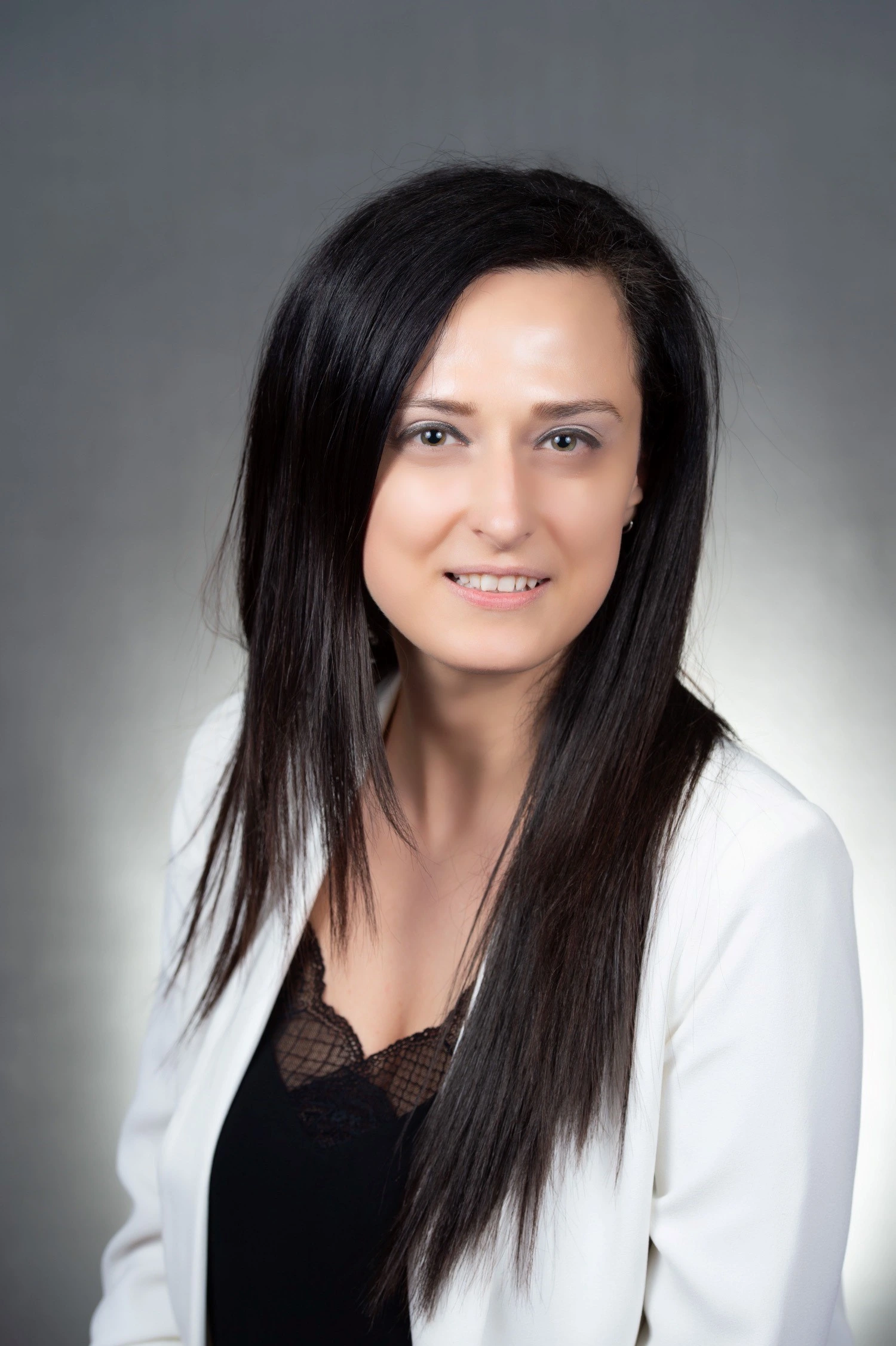
Dr. Caline Mattar
Professor of Medicine & Public Health | Infectious Diseases Specialist
Abigail Corrao
Adjunct Professor, Georgetown University; Co-Founder, Global Health Governance as Public Service.
Arantxa Cedillo
Founder, Arctype® | Senior Strategic Communications Advisor, Health Diplomacy Alliance
Haadiya Ahmed
Geopolitical Analyst | Fellow, Health Diplomacy Alliance


Miriam G. Medel Garcia
Head, Environment Team, Permanent Mission of Mexico to the United Nations Office and other international organizations in Geneva

Rüdiger Krech
Acting Director, Department of Environment, Climate Change, One Health and Migration, World Health Organization (WHO)
Hervé Raps
Research Liaison Physician, Centre Scientifique de Monaco
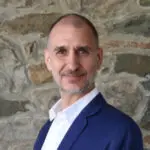
David Azoulay
Director, Switzerland & Environmental Health Program, Center for International Environmental Law (CIEL)

Etienne Cabane
Engagement Director, Food Packaging Forum

Roman Lehner
SNF SPARK Grant Holder, Department of Chemistry, Biochemistry, and Pharmaceutical Sciences, University of Bern
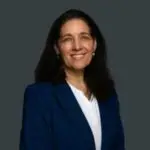
Carolyn Deere Birkbeck
Executive Director, Forum on Trade, Environment & the SDGs (TESS), Geneva Graduate Institute

María Alejandra Gonzáez
Global Plastics Advocacy Manager, WWF Norway

Noam Yaron
Record-Breaking Swiss Ultra-Endurance Athlete Advocating for Ocean Protection



Nilufer Oral
Director, Centre of International Law, National University of Singapore; Member, United Nations International Law Commission
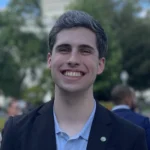
Matthew Carvalho
Chair, Health Diplomacy Youth Network; Adjunct Research Fellow (Global Governance and Diplomacy), Sunway Centre for Planetary Health, Sunway University; Co-Chair, Committee on Global Health Law, American Branch of the International Law Association

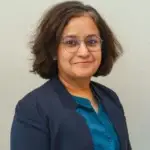
Priti Patnaik
Founder & Publisher at Geneva Health Files

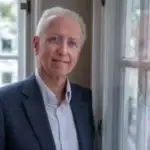
Professor Andy Haines
Professor of Environmental Change and Public Health, The London School of Hygiene & Tropical Medicine

Professor Mireia Jofre-Bonet
Chief Research Officer, Head of Education, OHE
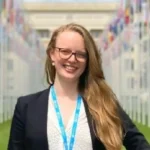
Dr. Iris Blom
Penholder of the Pan-European Commission on Climate and Health at WHO Regional Office for Europe
Dr. Tamer Rabie
Global Program Lead for Climate and Health, World Bank

Shouro Dasgupta
Environmental Economist — Fondazione CMCC | Visiting Senior Fellow — Grantham Research Institute on Climate Change and the Environment, London School of Economics and Political Science
Matthew Carvalho
Chair, Health Diplomacy Youth Network; Adjunct Research Fellow (Global Governance and Diplomacy), Sunway Centre for Planetary Health, Sunway University; Co-Chair, Committee on Global Health Law, American Branch of the International Law Association
Katherine Urbaez
Executive Director, Health Diplomacy Alliance

Nicole Ann Ponce
Co-Founder and Global Advocacy Lead, World's Youth for Climate Justice


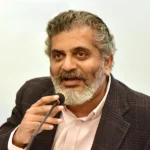
Laveesh Bhandari
President, CSEP

David McCoy
Policy Research Lead, UNU-IIGH
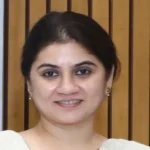
Priyadarshini Singh
Fellow, CSEP
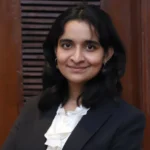
Nadine Monteiro
Research Analyst, CEP
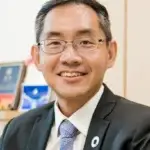
Yik Ying Teo
Dean, Saw Swee Hock School of Public Health, National University of Singapore
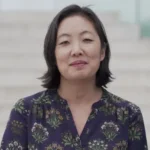
Suerie Moon
Co-Director, Global Health Centre, Geneva Graduate Institute

Katherine Urbáez
Executive Director, Health Diplomacy Alliance
Dr. Caline Mattar
Professor of Medicine & Public Health | Infectious Diseases Specialist
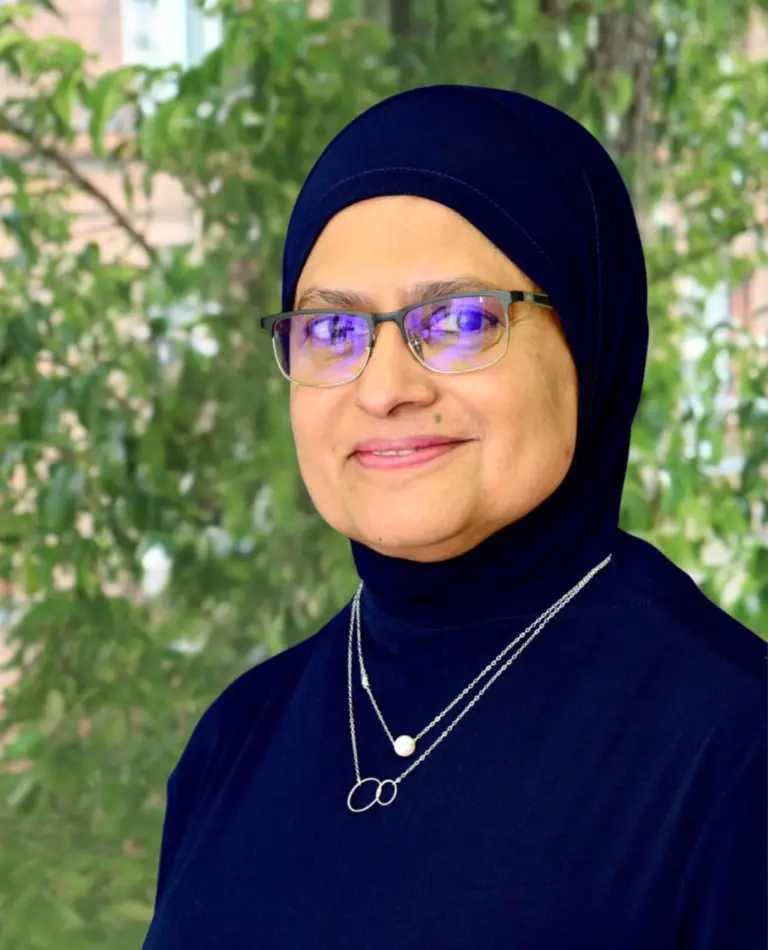
Prof. Sabiha Essack
Professor in Pharmaceutical Sciences at the University of KwaZulu-Natal (UKZN) in Durban, South AfricaDeputy Director, Policy & Strategy ReAct Africa
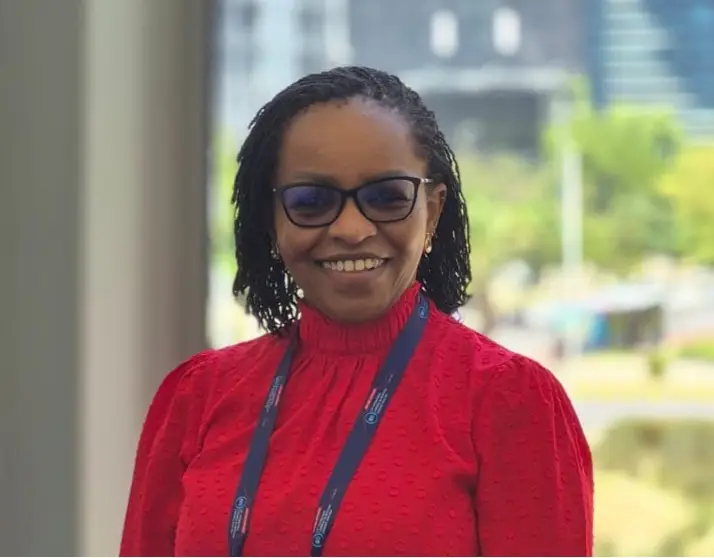
Tracie Muraya
Deputy Director, Policy & Strategy ReAct Africa
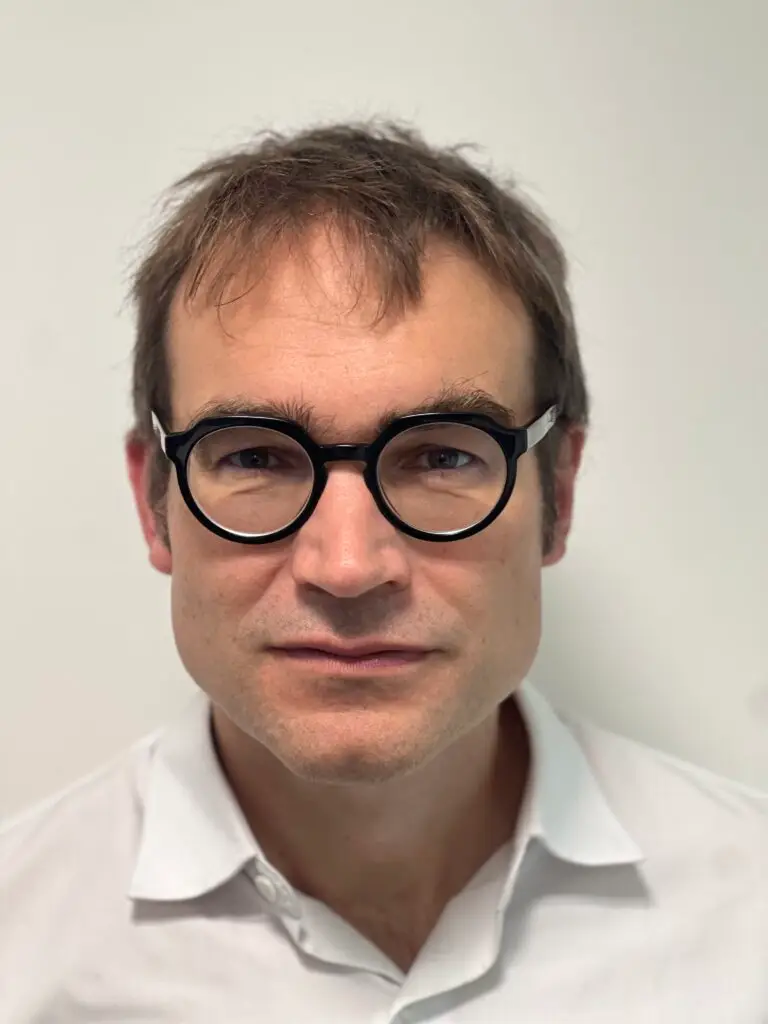
Dr. Benedikt Huttner
Unit Head of Research, Access, Stewardship and AMU Surveillance (RSA), WHO